
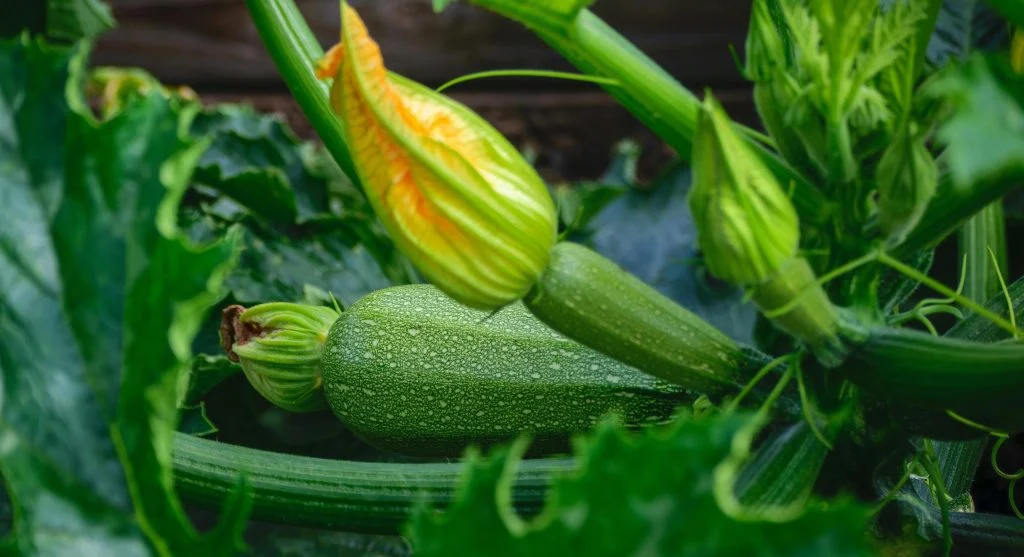
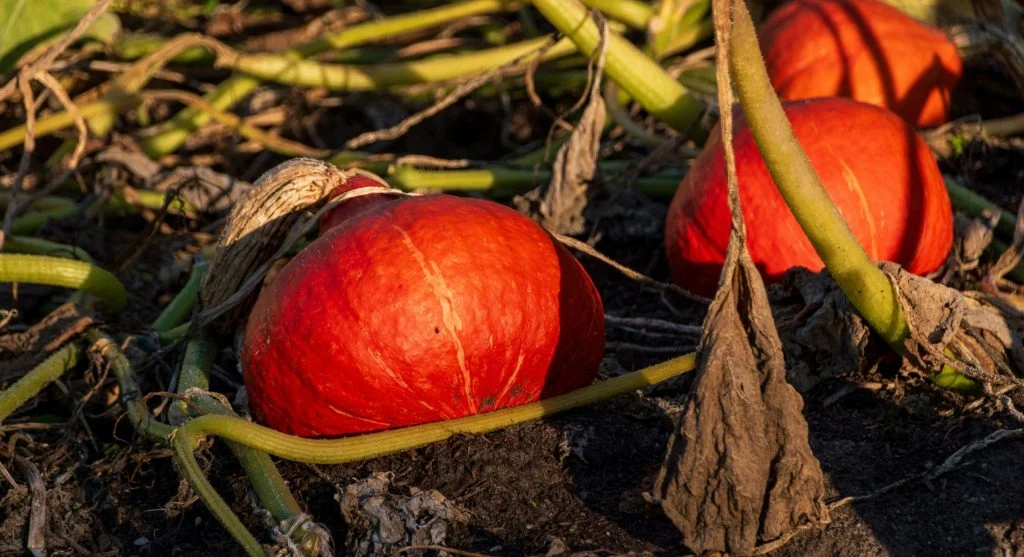
The situation is painfully familiar to many gardeners: a healthy, productive squash plant looks perfectly fine one day, then suddenly collapses overnight. Its leaves wilt flat to the ground even though the soil has enough moisture, and within 24 to 48 hours, the entire vine may be dead. In most cases, the culprit is the squash vine borer (Melittia cucurbitae) a moth larva that tunnels through the inside of the vine stem, cutting off the plant’s water-conducting tissue and killing it from within. Entomologists consider the squash vine borer one of the most destructive pests of squash, zucchini, and pumpkins in the eastern United States, and many gardeners who have dealt with it call it one of the most frustrating pest problems they have ever faced.
Understanding the Life Cycle
The adult squash vine borer is a day-flying moth with bright orange and black markings that make it look similar to a wasp. Depending on the region, the moth usually appears in gardens from late June through July. It lays tiny reddish-brown eggs near the base of squash stems, and once the larvae hatch, they bore into the vine within hours.
After entering the stem, the larva is protected from nearly all outside treatments. Sprays, dusts, and natural predators cannot reach it once it is inside the vine. The larva feeds within the stem for four to six weeks, growing to about one inch long. It then exits the vine, burrows into the soil, and pupates until the following summer. This hidden life cycle is exactly what makes squash vine borers so difficult to control compared with pests that feed openly on leaves or stems.
Credit: Sergej Strannik / Pexels
Prevention: Row Covers During the Egg-Laying Window
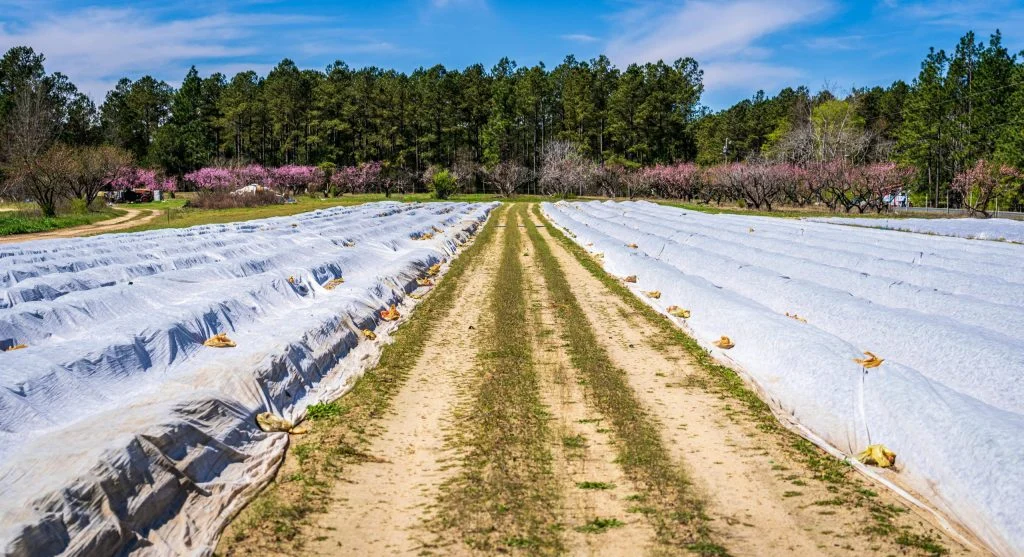
The best way to prevent squash vine borer damage is to stop the adult moth from reaching the vine stems during the egg-laying period. Floating row cover placed over squash plants from transplanting until the first female flowers open can keep the moth from landing on the stems and laying eggs.
Once female flowers appear, the cover needs to be removed so pollination can take place. In areas where the vine borer flight period is predictable, usually from late June through mid-July, timing row cover use around that window can provide strong protection without keeping plants covered longer than necessary.
Wrapping Stems and Using Bt Injections
Another useful prevention method is wrapping the lower six to twelve inches of the squash stem with aluminum foil, nylon stocking, or strips of row cover fabric. This creates a physical barrier that makes it harder for the moth to lay eggs on the most vulnerable part of the vine. The wrapping should be applied at transplanting and kept in place throughout the squash vine borer flight period.
For plants that are already growing when the flight period begins, injecting Bacillus thuringiensis (Bt) into the base of the stem with a syringe can help control newly hatched larvae before they cause serious damage. Weekly Bt injections during the egg-laying period have shown effectiveness in university trials and can serve as an alternative to systemic insecticides.
Saving a Plant Already Under Attack
If a squash plant starts to wilt and you notice sawdust-like frass at the base of the stem, that is a strong sign that a borer is active inside the vine. At this stage, the plant may still be saved if the damage is caught early.
Using a sharp, clean knife, carefully slit the stem lengthwise where the frass is collecting. Locate the larva inside, remove and destroy it, then cover the slit section of the stem with moist soil. Squash vines can form adventitious roots from buried stem sections, which may allow the plant to bypass the damaged area and keep growing.
The chances of success depend on how much internal damage the larva has already caused. Plants found early usually recover much better than those where the vine has already been heavily tunneled.