
Poison ivy, poison oak, and poison sumac are the three most common causes of allergic contact dermatitis in the United States, affecting an estimated 50 million people each year. All three plants contain urushiol, a colorless, odorless oil found in the leaves, stems, roots, and berries. When it touches the skin, it causes an intensely itchy, blistering rash in about 85 percent of people. For gardeners, contact with these plants is a common risk when clearing overgrown areas, creating new beds, or maintaining fence lines and woodland edges. Learning how to identify each plant correctly and remove it safely is the best way to avoid the painful, weeks-long rash that exposure can cause.
Identification: Getting It Right the First Time
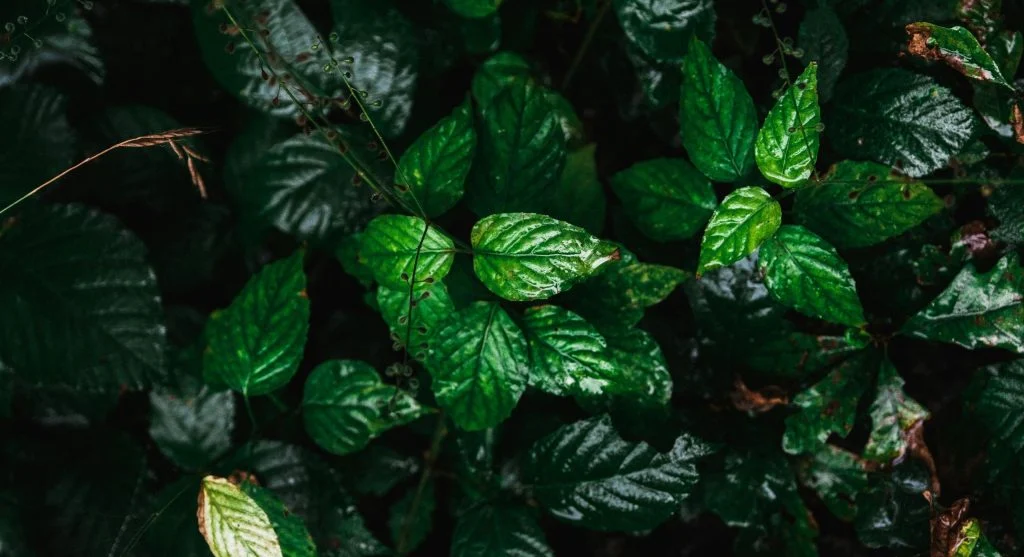
Poison ivy (Toxicodendron radicans) is the most widespread of the three and the one most gardeners are likely to run into. Its clearest identifying feature is “leaves of three.” Each leaf has three pointed leaflets on a single stem, with the middle leaflet set on a noticeably longer stalk than the two side leaflets. The leaf edges can be smooth, toothed, or lobed, depending on the plant’s age and growing conditions. Poison ivy can grow as a ground cover, a shrub, or a climbing vine that clings to trees with distinctive hairy aerial rootlets. It is found throughout the eastern and central United States and southern Canada.
Poison oak (Toxicodendron diversilobum in the West and T. pubescens in the East) looks similar to poison ivy, but its leaflets have rounded, oak-like lobes instead of pointed tips. It usually grows as a shrub or ground cover and is most common in the Pacific Northwest, California, and the southeastern United States. Poison sumac (Toxicodendron vernix) is a tall shrub or small tree that grows in wet, swampy areas of the eastern United States. Its compound leaves have 7 to 13 smooth-edged leaflets arranged in pairs along a central stem, with a single leaflet at the tip. Poison sumac can cause a more severe reaction than poison ivy or poison oak, but people encounter it less often because it is limited mostly to wetland habitats.
Safe Removal: Protecting Yourself
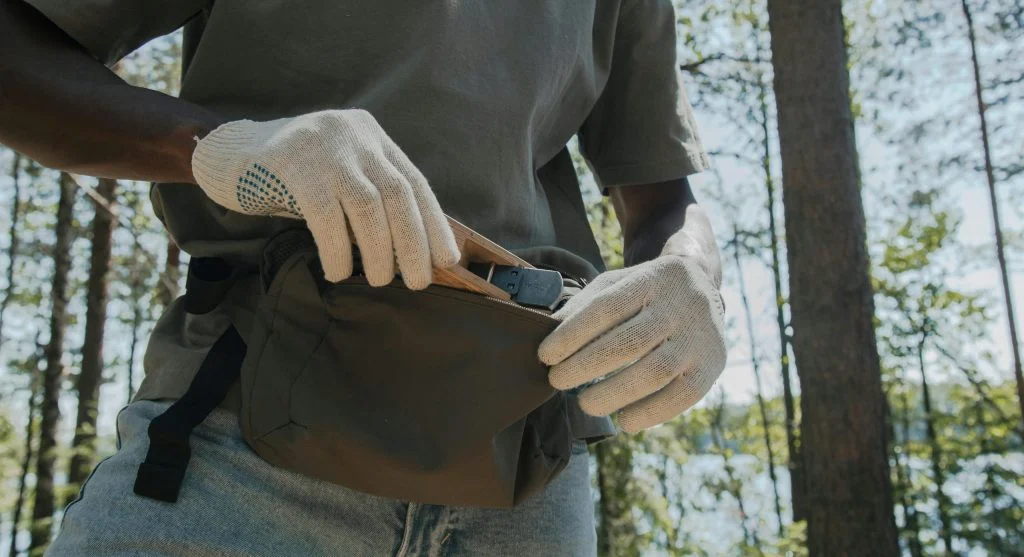
The most important rule when removing urushiol-producing plants is to prevent skin contact with any part of the plant. This includes dead leaves and stems, which can still hold urushiol for years after the plant has died. Full protective clothing is essential: long sleeves, long pants tucked into socks, heavy-duty waterproof gloves, and closed-toe shoes or boots. Cloth gloves should not be used because they can absorb urushiol. Wearing disposable nitrile gloves underneath work gloves adds a second layer of protection in case the outer gloves are damaged or contaminated. Eye protection is also a good precaution when working around overhead vines or cutting stems that may drip sap.
Small infestations can be handled by pulling the entire plant by hand, including the root system, and placing the material immediately into heavy-duty plastic bags for municipal waste disposal. The roots need to be removed completely because any root fragments left behind can regrow within weeks. For larger infestations, cutting the stems at ground level and treating the cut stumps with a brush-on herbicide, such as triclopyr or glyphosate, can prevent regrowth without requiring extensive digging to remove the full root system.
What Never to Do: Burning
Burning poison ivy, poison oak, or poison sumac is extremely dangerous. Fire does not destroy urushiol. Instead, the oil can attach to smoke particles and be inhaled into the lungs, where it may cause a severe and potentially life-threatening allergic reaction in the respiratory tract. Breathing smoke that contains urushiol can lead to swelling of the airways and may require emergency medical treatment. Every part of the plant should be bagged and disposed of through municipal waste, never burned.
Decontamination After Exposure
After any possible contact with urushiol-producing plants, even when protective gear was worn, clothing should be removed carefully to avoid touching the outer surfaces with bare skin. Wash all contaminated clothing in hot water with regular laundry detergent. Urushiol can stay active on fabric, tools, and pet fur for months if it is not washed off. Any skin that may have been exposed should be rinsed with running water and washed with a specialized urushiol-removing soap, such as Tecnu or Zanfel, within 30 minutes of contact if possible. Regular soap and water are not as effective, but they are still better than not washing at all. Tools used during removal should be cleaned with rubbing alcohol or a degreasing cleanser.
Key Takeaway
Poison ivy (“leaves of three”), poison oak (rounded lobes), and poison sumac (7-13 leaflets in wet habitats) all produce urushiol oil that causes severe allergic rash in 85 percent of people. Safe removal requires waterproof gloves, full-coverage clothing, and thorough root extraction or cut-stump herbicide treatment. Plants should never be burned urushiol in smoke causes potentially life-threatening respiratory reactions. All clothing, tools, and exposed skin should be thoroughly decontaminated after any contact with these plants.