
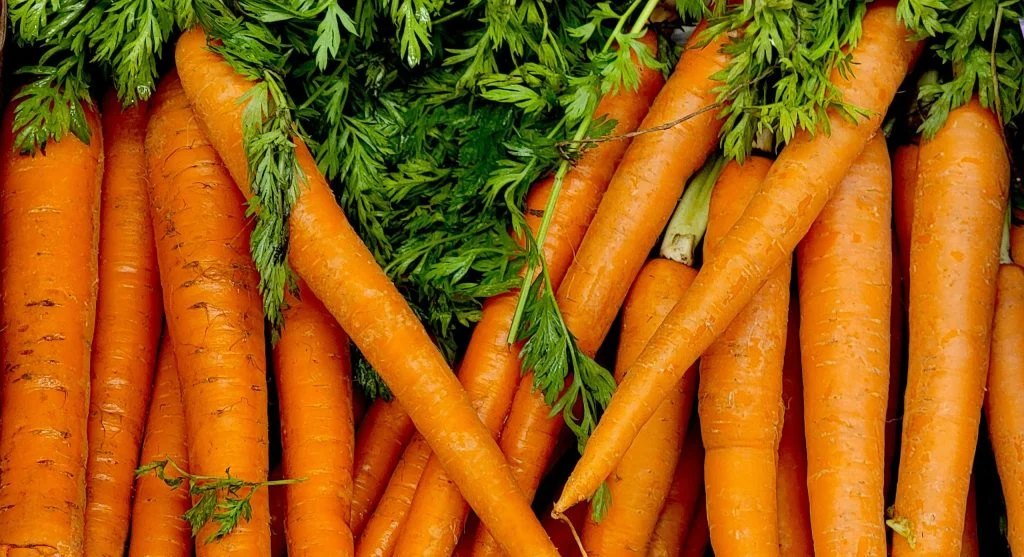
Carrots are one of the most commonly planted home garden vegetables and one of the most frequently disappointing. Stunted, forked, hairy, and misshapen carrots are the norm for many growers who follow standard planting advice without understanding the specific soil and cultural requirements that carrots demand. The gap between a grocery-store-perfect carrot and a typical backyard carrot frustrates gardeners into believing that carrots are difficult crops. In reality, carrots are straightforward to grow once the gardener addresses the two factors that cause nearly all carrot failures: soil preparation and thinning.
Soil Preparation: The Single Most Important Factor
Carrots develop their roots by pushing downward through the soil and any obstacle they encounter causes the root to fork, split, twist, or stop growing. Rocks, clay clumps, compacted layers, fresh manure chunks, and even stiff soil aggregates all redirect carrot growth into the misshapen forms that disappoint gardeners. The solution is providing 12 inches of loose, obstacle-free growing medium that the carrot root can penetrate without resistance. Raised beds filled with a blend of compost and topsoil (screened to remove rocks and clumps) provide ideal conditions. For in-ground growing, double-digging the carrot bed to a depth of 12 to 14 inches and removing all rocks, roots, and hard soil chunks creates the unobstructed rooting zone that straight carrots require.
Heavy clay soil produces poor carrots regardless of how deeply it is worked, because clay re-compacts around the developing root and restricts expansion. Gardeners with heavy clay should either grow carrots exclusively in raised beds with imported growing mix or choose short, stubby varieties (Danvers Half Long, Chantenay, Paris Market) that mature at four to six inches rather than the ten-to-twelve-inch Nantes and Imperator types that require deep, loose soil.
Sowing and the Critical Importance of Thinning
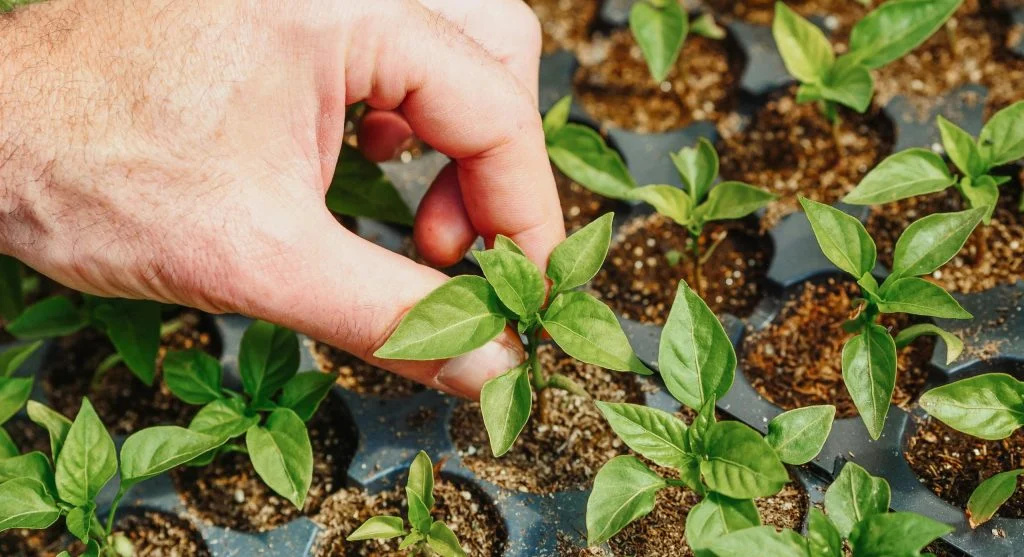
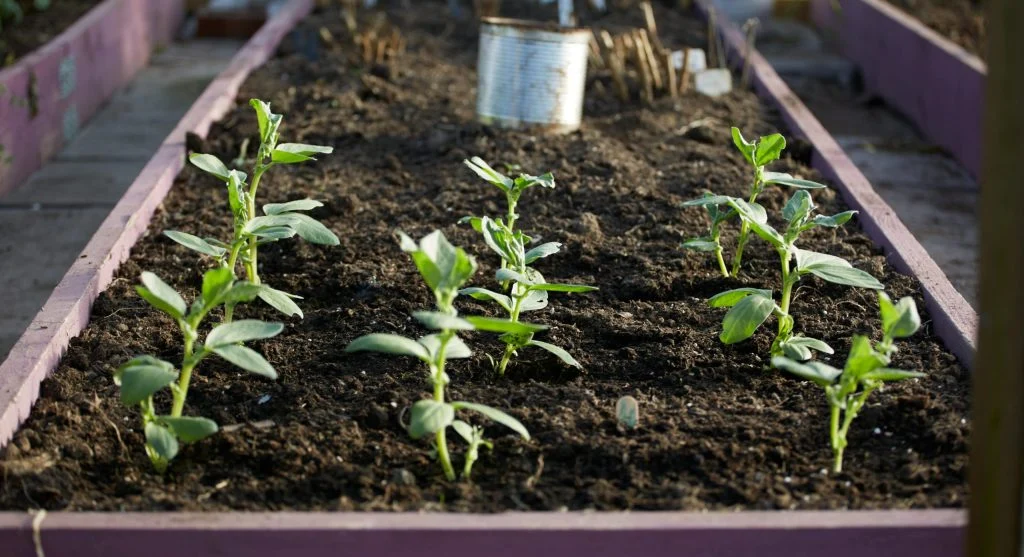
Carrot seeds are tiny and difficult to space precisely. Most gardeners sow them too thickly, producing a dense carpet of seedlings that compete with each other for space, water, and nutrients resulting in a bed of undersized, spindly roots. Thinning removing excess seedlings so that the remaining plants are spaced one and a half to two inches apart is the most important post-planting task for full-sized carrot production. Thinning should be done when seedlings reach two to three inches tall, using scissors to snip the unwanted seedlings at ground level rather than pulling them out (which disturbs the roots of adjacent seedlings). Pelleted carrot seeds, which are individually coated to a larger, more manageable size, allow more precise spacing at sowing time and reduce the amount of thinning needed.
Watering for Sweet, Crack-Free Roots
Carrots need consistent, even moisture throughout their growing period approximately one inch of water per week, delivered steadily rather than in heavy, infrequent drenches. Inconsistent watering causes two common problems: drought stress produces tough, fibrous, bitter-tasting roots, while a sudden heavy watering after a dry period causes the root to absorb water faster than the outer skin can expand, resulting in cracking and splitting. Mulching the carrot bed with a thin layer (one to two inches) of straw or grass clippings after the seedlings are established conserves soil moisture and moderates the moisture fluctuations that cause these quality problems.
When and How to Harvest
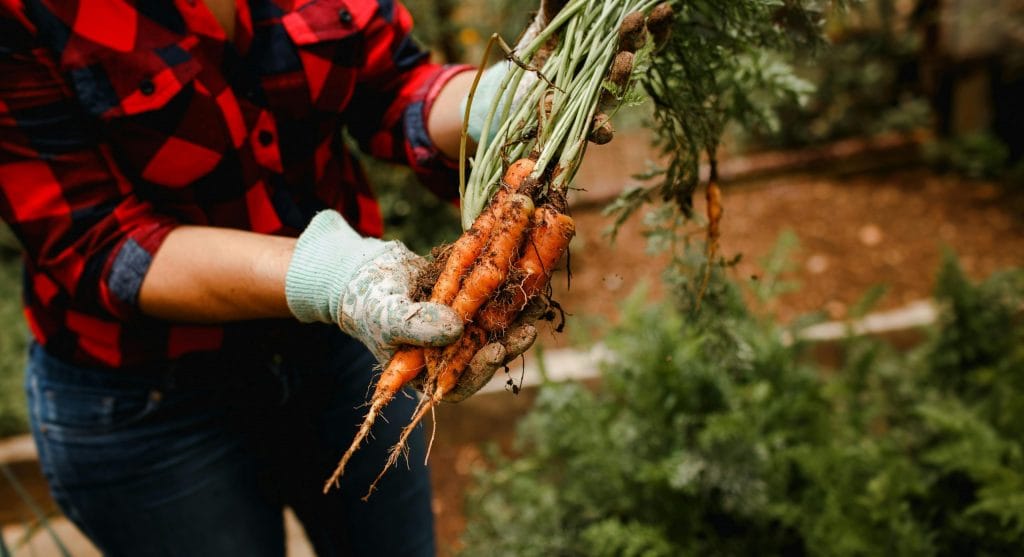
Carrots are ready to harvest when the top of the root (visible at the soil surface) reaches the diameter indicated on the seed packet for that variety typically three-quarters of an inch to one inch for standard varieties. Pulling prematurely produces undersized roots; waiting too long allows the core to become woody. Loosening the soil alongside the row with a garden fork before pulling makes extraction easier and prevents breakage. Carrots harvested in cool weather (fall) are noticeably sweeter than those harvested during summer heat because cold temperatures trigger the conversion of starches to sugars a natural antifreeze mechanism that improves flavor significantly.