
Traditional gardening advice often insists that all vegetables require “full sun,” meaning at least six to eight hours of direct sunlight every day. That idea discourages many people from growing food, especially those with shaded yards, north-facing spaces, buildings that block afternoon light, or balconies that only receive a few hours of morning sun. These areas are usually considered poor choices for vegetable gardening. However, horticultural research shows that many common vegetables grow successfully in partial shade and some even perform better there. Partial shade generally means three to six hours of direct sunlight or bright, filtered light throughout the day.
The most important factor is understanding the difference between fruiting crops and leafy or root crops. Fruiting vegetables truly need full sun because producing flowers and fruit requires a large amount of energy. Leafy greens and root vegetables, on the other hand, need less light because they are harvested before reaching those energy-demanding stages. Choosing the right types of crops can turn a shaded space into a surprisingly productive garden.
1. Lettuce and Salad Greens
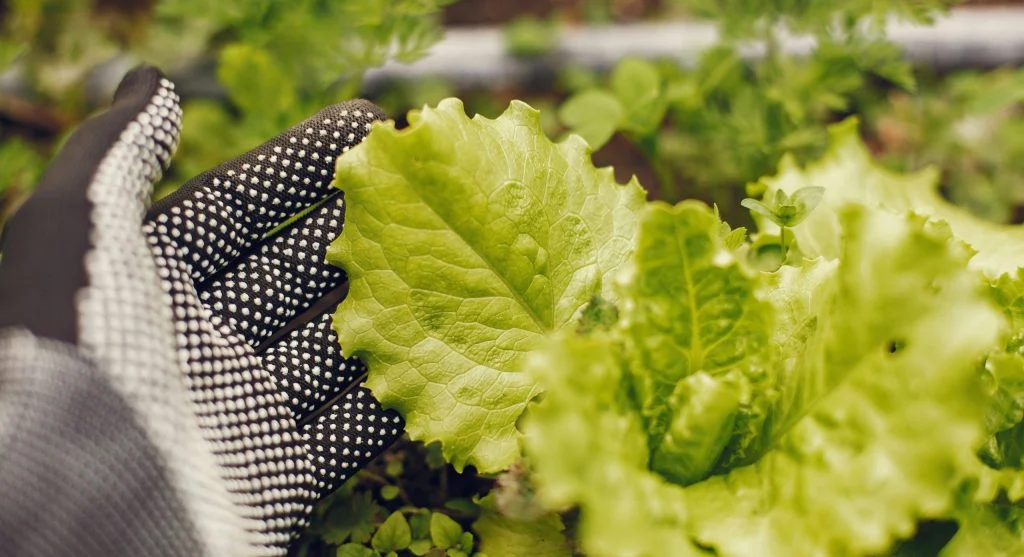
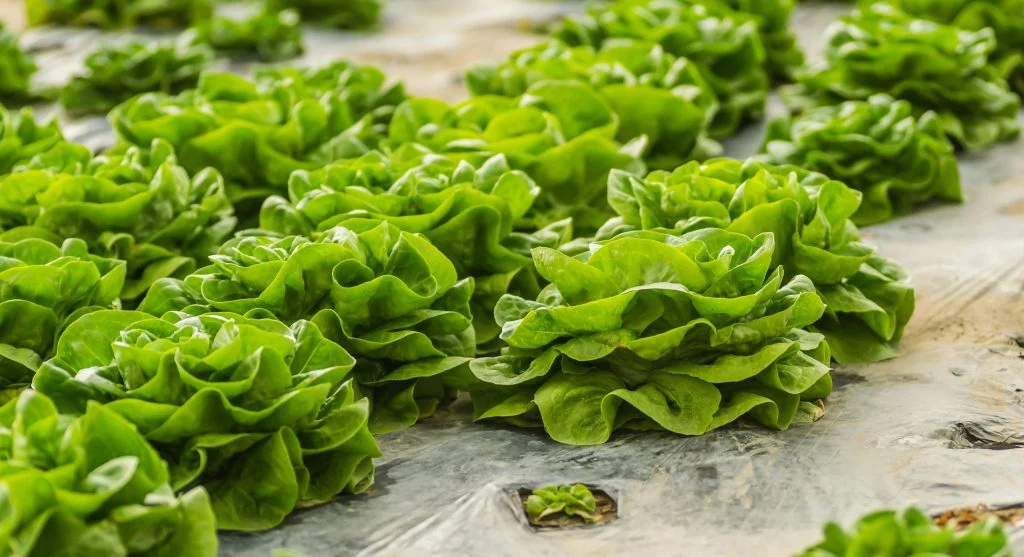
Lettuce is more than just shade-tolerant it actually benefits from partial shade during warm weather. In full summer sun, lettuce tends to bolt quickly, sending up a flower stalk and developing a bitter taste soon after reaching harvest size. In partial shade, cooler conditions and lower light intensity slow down bolting, allowing the plants to stay tender and flavorful for much longer. Just three to four hours of direct sunlight, or steady bright shade, is enough to grow excellent lettuce from spring through fall in many climates.
2. Spinach
Spinach reacts much like lettuce when exposed to heat and intense sun. Full sun during warm weather causes it to bolt rapidly, shortening the harvest period. Growing spinach in partial shade helps extend production by several weeks and results in sweeter, more tender leaves. Spinach grown with three to four hours of sunlight and protection from harsh afternoon heat usually produces the best-quality harvest once temperatures rise above 75°F.
Credit: Zoran Milosavljevic / Pexels
3. Kale and Swiss Chard
Kale and Swiss chard both handle partial shade very well. Although they may grow a little slower and produce slightly smaller leaves compared to full-sun plants, the leaves remain nutritious, flavorful, and perfectly usable. Around four to five hours of direct sunlight is generally enough for healthy growth. Since both crops tolerate cold temperatures extremely well, they are especially valuable in shaded gardens where conditions naturally stay cooler.
4. Arugula
Arugula also benefits from some protection from strong summer sun. When grown in full sun during hot weather, the leaves quickly become tough and intensely peppery, and the plants bolt fast. Partial shade helps keep the flavor milder, the texture softer, and the harvest period longer. Because arugula grows so quickly, even limited sunlight can produce harvestable leaves within 30 to 40 days after planting.
5. Radishes
Radishes grow so quickly usually maturing in about 25 to 30 days that they can thrive with relatively little sunlight. Four hours of direct sun is often enough to produce full-sized, flavorful radishes. They may take a few extra days to mature compared to radishes grown in full sun, but they still perform reliably. In fact, radishes are one of the best vegetables for testing whether a shaded area can support food gardening.
6. Peas
As a cool-season crop, peas tolerate partial shade better than many vegetables that produce fruit. While harvests may be somewhat smaller than those from full-sun gardens, plants receiving four to five hours of sunlight can still produce a worthwhile crop of tender pods. Their climbing growth habit is another advantage, since vines naturally stretch toward available light and make better use of partially shaded spaces.
7. Green Onions and Scallions
Green onions need surprisingly little sunlight to grow well. With only three to four hours of direct light, they can still produce tender, flavorful stalks. They also take up very little room and grow upright, making them ideal for planting between larger vegetables or along shaded garden edges. Unlike bulb onions, which need full sun to develop large bulbs, green onions are harvested before bulb formation, making them much better suited for partial shade.
8. Herbs: Mint, Parsley, and Cilantro
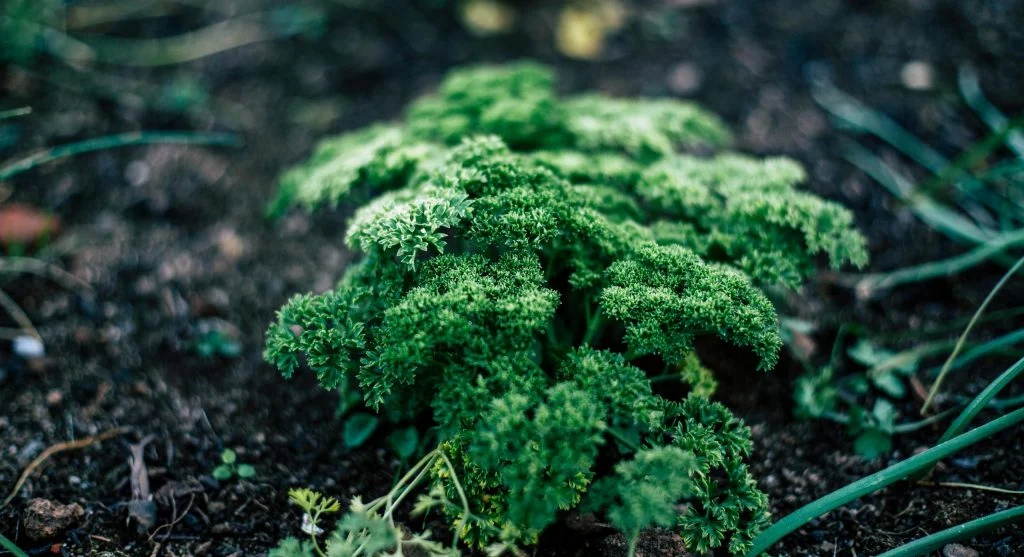
Several herbs grow exceptionally well in partial shade. Mint actually prefers moist, lightly shaded conditions that many other herbs struggle in. Parsley grows comfortably with four to five hours of sun and often develops softer, more tender leaves in shade than it does under harsh sunlight, which can make the leaves tough or bitter. Cilantro, which is known for bolting quickly in hot weather, also lasts much longer in partially shaded areas where temperatures stay cooler.
Credit: Markus Spiske / Pexels