
Most home vegetable gardens are filled with annual crops plants that need to be started from seed or transplanted again every year. But there is another group of vegetables that behaves more like perennial flowers. You plant them once, and they come back year after year, producing food each season with very little replanting effort. These perennial vegetables take up a permanent place in the garden and, in some cases, reward that first investment with decades of harvests. They are especially useful for gardeners who want to support their annual vegetable beds with reliable, low-maintenance food crops that require almost no spring setup.
1. Asparagus
Asparagus is the best-known perennial vegetable, producing tender spring spears for 15 to 25 years from a single planting. The first two to three years require patience, since the root crowns need time to establish and should not be harvested during that period. Once the bed becomes productive, however, it can provide six to eight weeks of harvest every spring with very little care beyond an annual layer of compost and removing dead ferns in fall. A planting of 20 to 25 asparagus plants is usually enough to supply a family of four throughout the harvest season.
2. Rhubarb
Rhubarb is an exceptionally cold-hardy perennial that grows well in zones 3 through 8. Each year, it produces thick, tart stalks from April through June. Once established, a single rhubarb plant can yield 8 to 12 pounds of stalks per season and continue producing reliably for 10 to 15 years or longer. Rhubarb does best in full sun, rich soil, and steady moisture, but beyond that, it requires very little maintenance. The leaves are toxic and should never be eaten, but the stalks are highly valued for pies, jams, sauces, and baked goods.
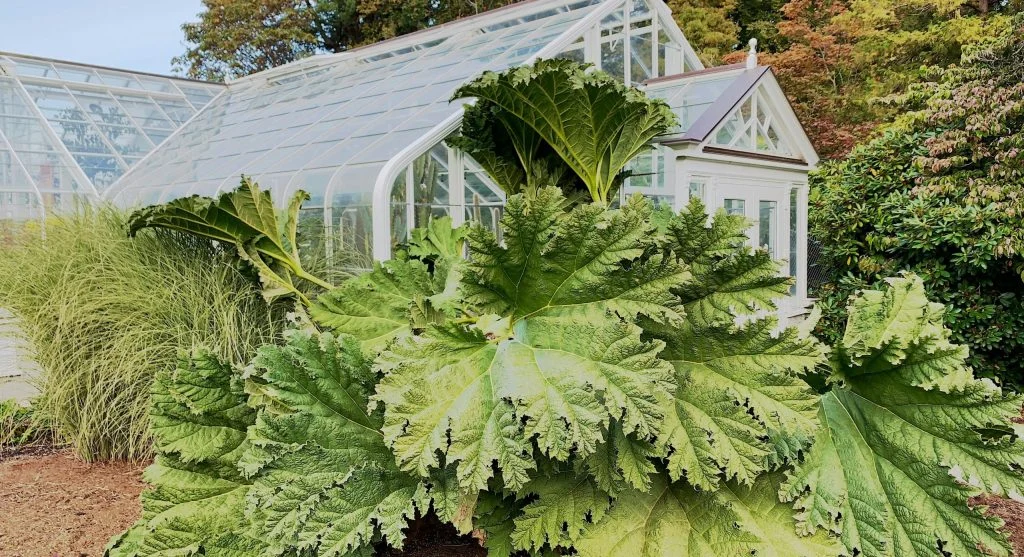
Credit: Alireza AM / Pexels
3. Jerusalem Artichoke (Sunchoke)
Jerusalem artichokes, also called sunchokes, produce edible tubers with a nutty, slightly sweet flavor. They can be eaten raw in salads, roasted, or blended into soups. The plants grow six to ten feet tall and produce bright yellow, sunflower-like blooms in late summer, making them both useful and ornamental. Once established, Jerusalem artichokes spread vigorously through underground tubers and can become invasive if they are not contained. Planting them in a dedicated bed with a deep root barrier, or growing them in large containers, helps control their spread while still providing an annual harvest of knobby, nutritious tubers from November through early spring.
4. Sorrel
French sorrel is a leafy perennial green known for its bright, lemony flavor. It adds a sharp, fresh acidity to salads, soups, and sauces. The plants appear early in spring, often weeks before annual greens can be planted, and they produce harvestable leaves from March through November in most climates. Sorrel tolerates partial shade, poor soil, and moderate drought once established, making it one of the easiest edible plants to grow. A small clump of three to four plants can provide steady harvests for years, and the plants can be divided every three to four years to create new clumps at no extra cost.
5. Horseradish
Horseradish is a perennial root crop grown for its pungent roots, which are used to make the condiment of the same name. Like Jerusalem artichokes, it spreads aggressively and should be planted in a contained area or in a bottomless container sunk into the ground to keep it from taking over the garden. Once established, horseradish needs almost no care. It tolerates drought, poor soil, and partial shade, and it produces harvestable roots every fall. Even small root pieces left behind in the soil after harvest can regrow the following spring.
6. Egyptian Walking Onions
Egyptian walking onions are a unusual self-propagating perennial allium. They produce small bulbils, or miniature onions, at the top of their stalks. As the bulbils become heavier, the stalk bends down until it touches the soil, where the bulbils root and form new plants. This gives the impression that the onions are slowly “walking” across the garden over time. Every part of the plant is edible. The green tops can be used like scallions, the underground bulbs like shallots, and the aerial bulbils like pearl onions. Once a small patch is established, it provides a continuous supply of onion-flavored harvests for salads, cooking, and pickling.
7. Lovage
Lovage is a tall perennial herb that can reach four to six feet at maturity. Its flavor is very similar to celery, but much stronger. The leaves, stems, and seeds are all useful. Leaves can be chopped into soups and salads, stems can be used as straws for savory drinks or braised like celery, and the seeds work as a celery-flavored spice. Lovage is one of the first perennials to emerge in spring and one of the last to go dormant in fall, offering eight or more months of harvestable growth each year. A single plant usually produces more than most households can use.
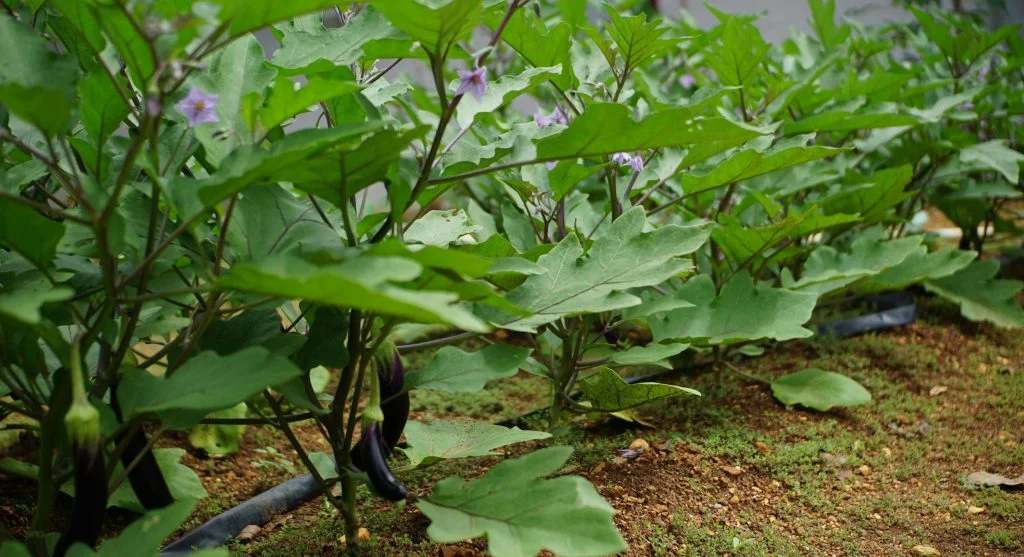
Credit: Agung Sutrisno / Pexels
Key Takeaway
Perennial vegetables such as asparagus, rhubarb, Jerusalem artichokes, sorrel, horseradish, Egyptian walking onions, and lovage can provide dependable harvests year after year from a single planting with very little ongoing maintenance. They make an excellent addition to annual vegetable gardens by offering reliable, low-maintenance food sources that return each season. Some aggressive spreaders, particularly Jerusalem artichokes and horseradish, should be planted in contained areas to keep them from taking over the garden. Most perennial vegetables also benefit from having a permanent, dedicated bed located where they will not compete with or cast shade on annual crops.