
Asparagus is unlike any other vegetable in the home garden. While tomatoes, peppers, and beans must be replanted every year, a properly established asparagus bed produces harvestable spears every spring for 15 to 25 years or longer making it one of the best long-term investments a gardener can make. The trade-off is patience: asparagus requires two to three years of establishment before the first full harvest, a timeline that discourages many gardeners who are accustomed to the immediate gratification of annual vegetables. But those who invest the upfront time are rewarded with decades of spring harvests from a crop that requires minimal ongoing care once established.
Horticultural researchers note that asparagus is one of the oldest cultivated vegetables in the world, with documented cultivation stretching back more than 2,000 years. Modern varieties have been bred for disease resistance, higher yields, and adaptability to a wide range of climates making asparagus more accessible to home gardeners than at any point in its long agricultural history.
Site Selection and Soil Preparation
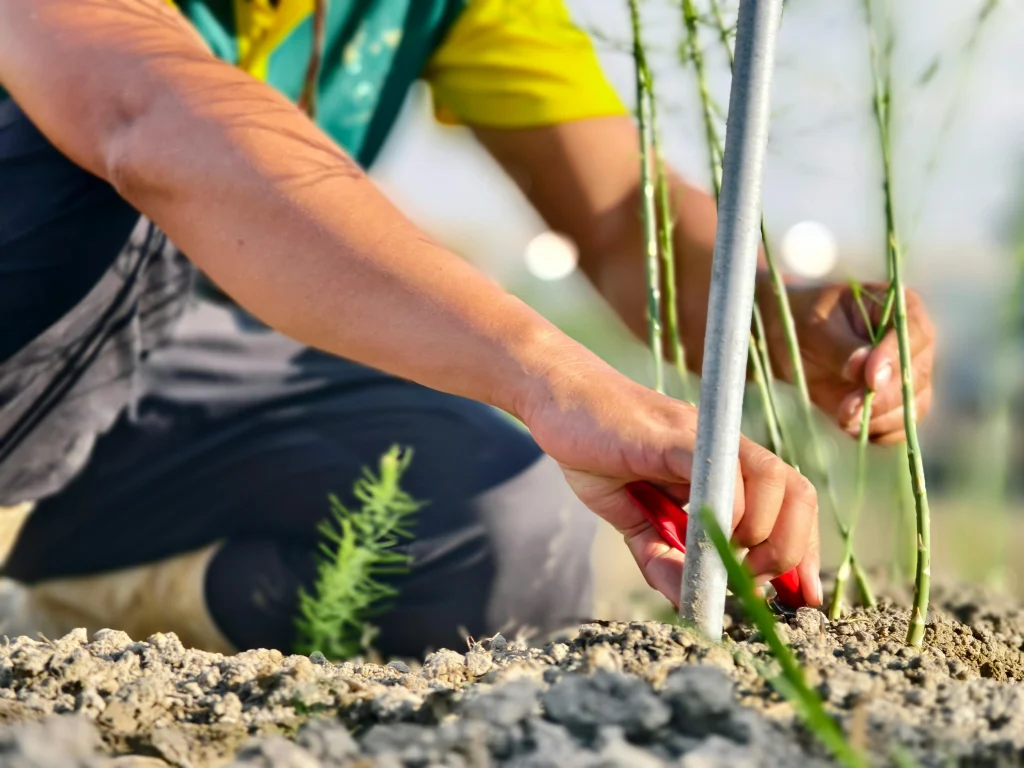
Because an asparagus bed will occupy the same space for decades, site selection deserves more thought than for any annual crop. The ideal location receives full sun (at least eight hours daily), has well-drained soil (asparagus crowns rot in waterlogged conditions), and is positioned where the mature ferns which grow four to six feet tall will not shade adjacent garden beds. A dedicated bed along a fence line, at the edge of the garden, or in a standalone raised bed works well. The soil should be prepared deeply before planting: work compost and aged manure into the top 12 to 18 inches, and correct pH to the range of 6.5 to 7.5 if a soil test indicates adjustment is needed. Asparagus is moderately salt-tolerant and performs well in slightly alkaline conditions that many other vegetables cannot handle
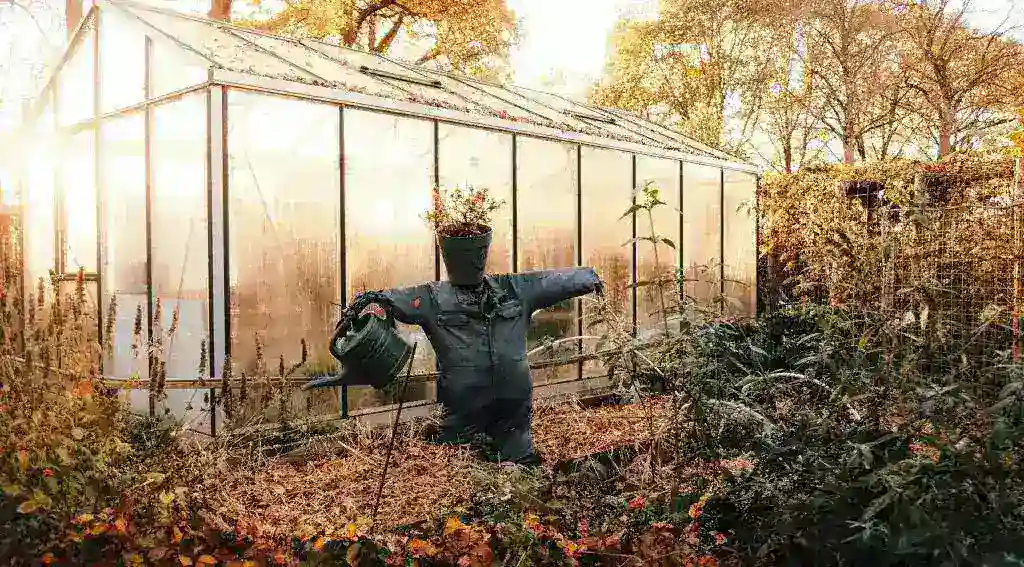
Credit: Cottonbro Studio / Pexels
Planting Crowns for the Fastest Establishment
Asparagus can be started from seed, but purchasing one-year-old crowns (bare-root plants available from garden suppliers in early spring) shortens the time to first harvest by a full year. Crowns should be planted in trenches eight to twelve inches deep, spaced 12 to 18 inches apart, with the roots spread out over a small mound of soil at the bottom of the trench. The crowns are initially covered with only two to three inches of soil. As the emerging shoots grow through this initial covering, additional soil is gradually added around them over the following weeks until the trench is filled to the surrounding grade level. This gradual filling technique encourages the developing root system to spread deeply and widely, establishing the extensive underground structure that supports decades of production.
The Critical First Three Years
During the first year after planting, no spears should be harvested all emerging shoots should be allowed to grow into ferns that photosynthesize and feed the developing root crown. In the second year, a light harvest of two to three weeks is acceptable before allowing the remaining spears to fern out. By the third year, the bed can be harvested for six to eight weeks the full harvest window that continues every spring for the life of the bed. Fertilizing with compost and a balanced organic fertilizer each spring, and keeping the bed weeded during the growing season, supports the heavy root growth that fuels each year’s spear production.
Harvesting and Post-Harvest Care
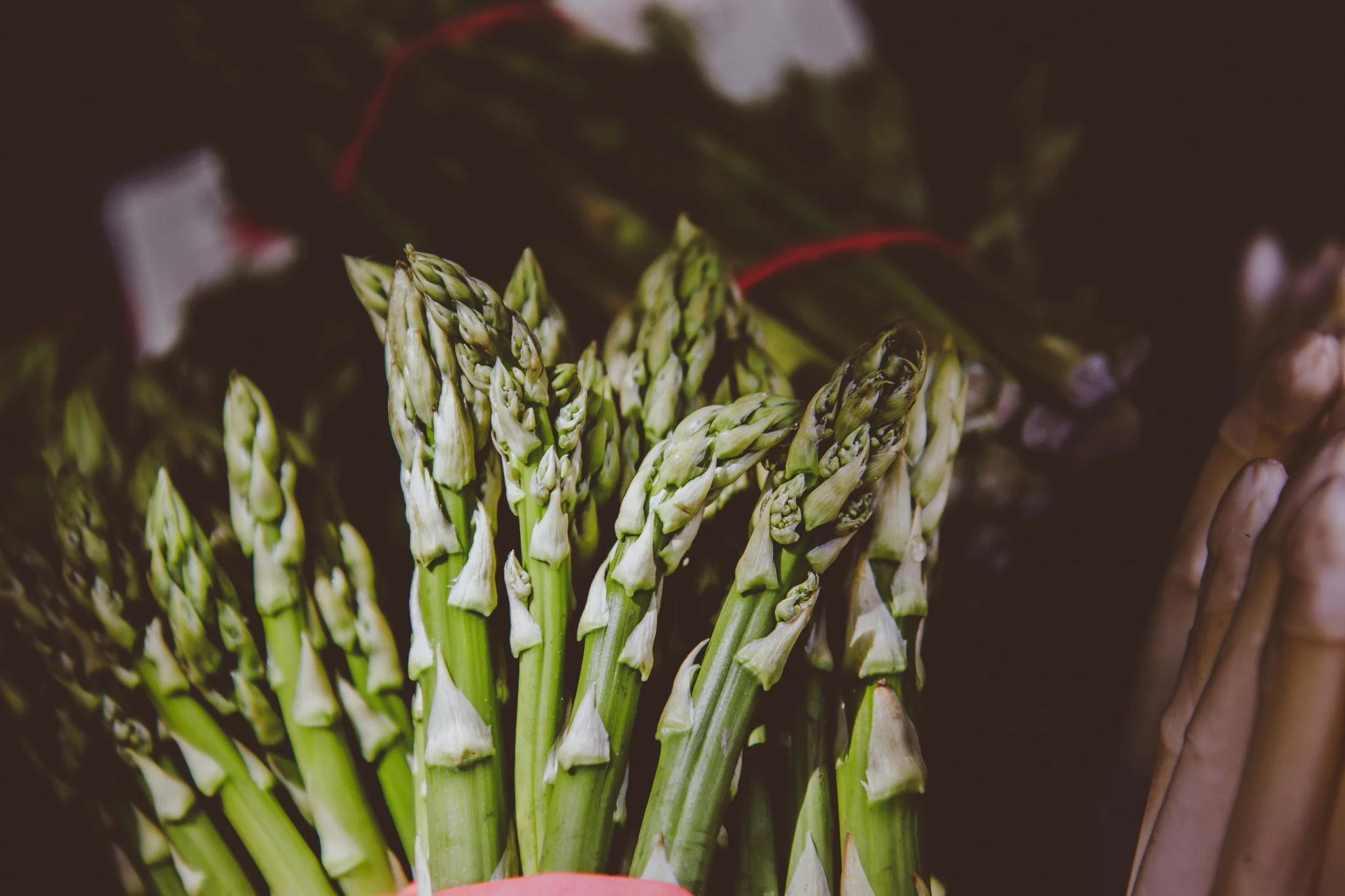
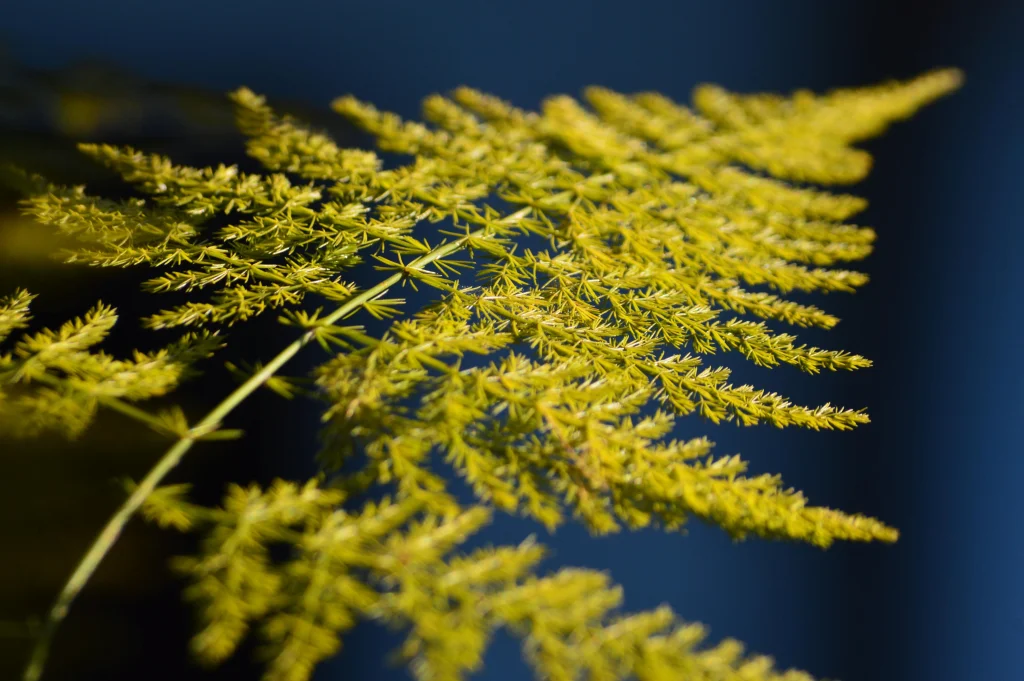
Asparagus spears are ready to harvest when they reach six to eight inches tall and are approximately the diameter of a pencil or thicker. Spears should be cut or snapped at the soil surface. Harvesting should stop when newly emerging spears become thinner than a pencil — this signals that the root crown’s energy reserves are depleting and the remaining spears should be allowed to grow into ferns to recharge the crown for the following year. After the harvest window closes, the fern foliage should be left standing through the growing season and into fall, cut to the ground only after it has turned completely brown. A thick layer of mulch applied in late fall protects crowns from freeze damage and suppresses early-season weeds the following spring
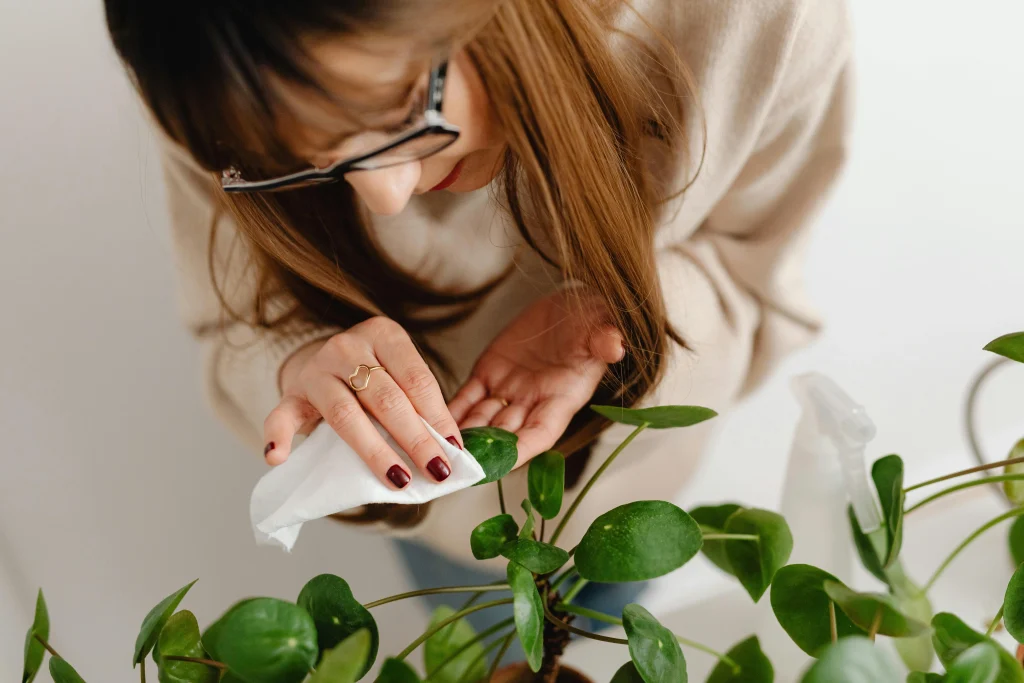
Credit: César+Mirna Choto / Pexels
Key Takeaway
Asparagus is a perennial investment that produces spring harvests for 15 to 25 years from a single planting. Planting one-year-old crowns in deep, well-prepared, well-drained soil and resisting the urge to harvest during the first two establishment years builds the root system that supports decades of production. Once established, asparagus requires only annual compost, weed management, and allowing the ferns to grow undisturbed after the six-to-eight-week spring harvest window closes.