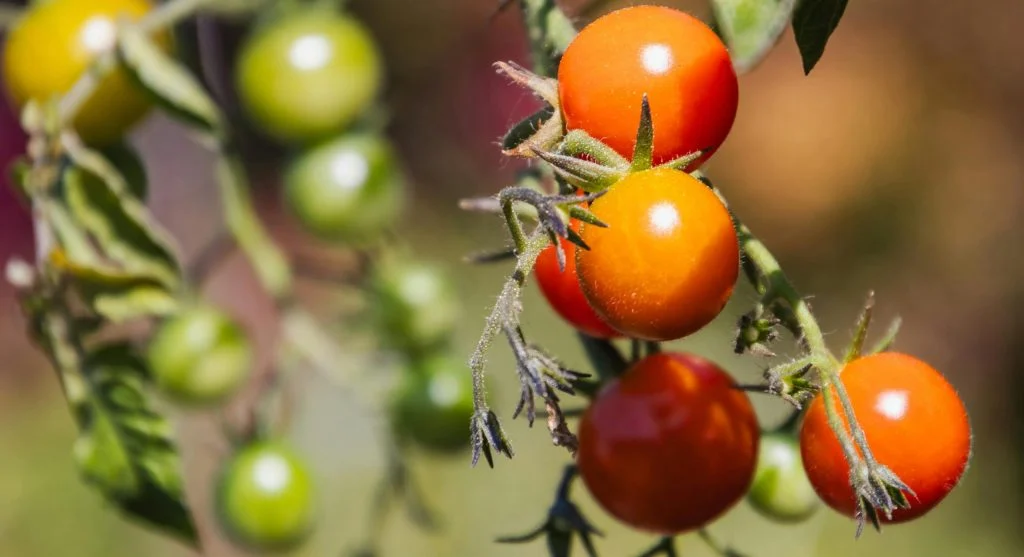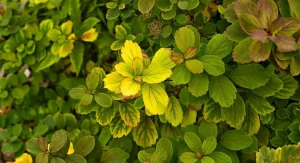

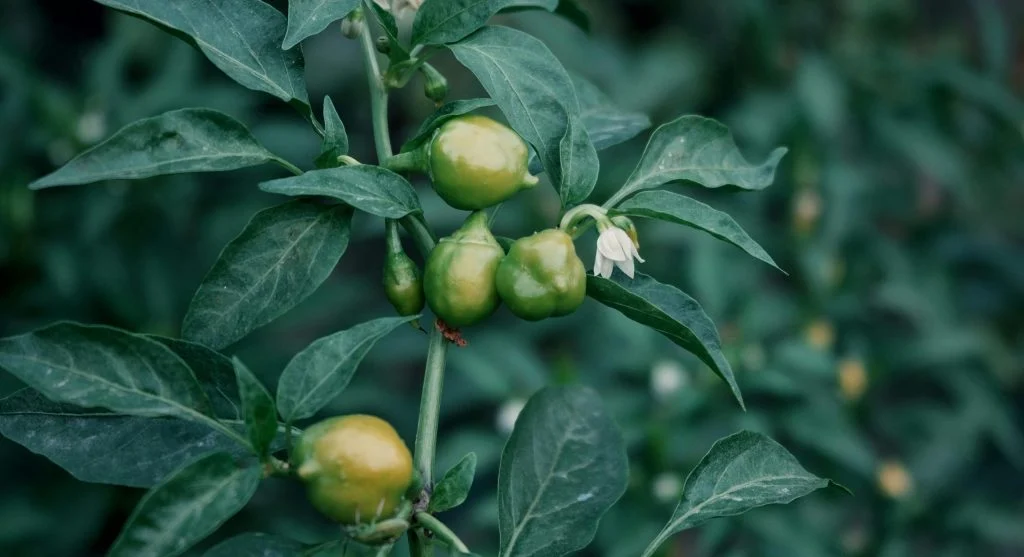
Few gardening problems are more frustrating than caring for a beautiful, fast-growing vegetable plant that looks healthy but refuses to produce fruit. The plant may have dark green leaves, thick stems, and strong growth, yet no flowers appear or the flowers form and drop before turning into vegetables. This “all leaves, no fruit” problem affects tomatoes, peppers, squash, cucumbers, and beans more often than many other crops. In most cases, the cause is environmental or nutritional rather than genetic, assuming the gardener planted a true fruiting variety and not an ornamental plant.
Excess Nitrogen: The Most Common Cause
Nitrogen is the nutrient most responsible for vegetative growth, including leaves, stems, and overall plant size. When there is too much nitrogen compared with phosphorus and potassium, the plant naturally puts its energy into producing more leaves and stems instead of shifting into reproductive growth, which means flowering and fruiting.
This imbalance often happens when gardeners apply high-nitrogen fertilizer, such as fresh manure, blood meal, or lawn fertilizer, during the fruiting stage. It can also occur when soil has been heavily amended with nitrogen-rich compost without balancing the other macronutrients. The solution is simple: stop adding nitrogen and use a fertilizer with a higher phosphorus number, which is the middle number in the NPK ratio. This encourages the plant to move from leafy growth into flower and fruit production.
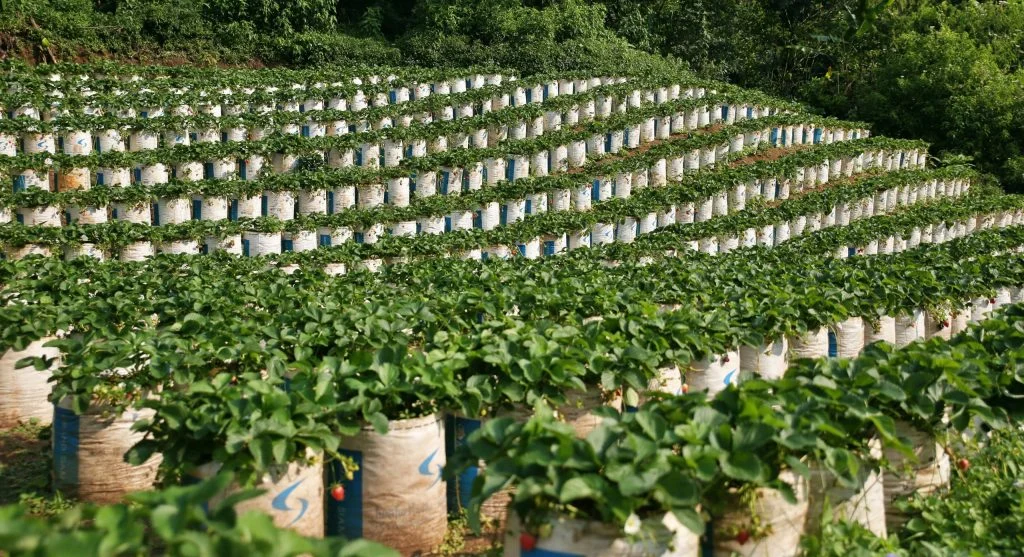
Credit: Heru Dharma / Pexels
Insufficient Light
Fruiting vegetables need six to eight hours of direct sunlight each day to make enough energy for flower formation and fruit development. Plants that receive only four to five hours of sun may still grow attractive foliage, but they usually lack the energy needed for reproduction. If a plant grows well and looks healthy but never flowers, inadequate light is almost certainly the reason.
For container plants, moving them to a brighter location is the most effective fix. For plants growing in the ground, the only real solution is removing nearby shade sources, such as overhanging branches or structures blocking the light.
Temperature Extremes Preventing Pollination
Tomatoes, peppers, and beans can all suffer from blossom drop, which means flowers fall off before fruit has a chance to set. This happens when temperatures rise above specific limits. Tomato pollen becomes non-viable when daytime temperatures go above 90°F or nighttime temperatures stay above 75°F. Pepper flowers drop under similar extremes, and bean flowers fail to set pods when daytime temperatures exceed 85°F.
During heat waves, plants may keep growing vigorously because vegetative growth is less sensitive to temperature than pollination. But fruit will not form until temperatures return to the crop’s productive range. This heat-related blossom drop is why many summer gardens experience a mid-season fruit gap during the hottest weeks.
Pollination Failure
Squash, cucumbers, melons, and pumpkins produce separate male and female flowers on the same plant. Only female flowers can become vegetables, and they are easy to recognize by the small swelling at the base that later develops into fruit. These female flowers need pollen from a male flower, usually carried by bees.
When pollinator populations are low, which is becoming more common in many suburban and urban areas, flowers may open and wilt without being pollinated. Hand pollination can solve the issue quickly. Use a small brush or cotton swab to move pollen from the anthers of a male flower to the stigma of a female flower. Planting pollinator-attracting flowers such as zinnias, sunflowers, and lavender near the vegetable garden also helps bring in more natural pollinators.
The Plant Is Simply Too Young
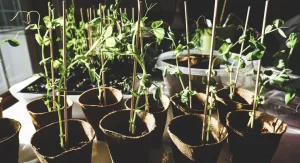
Sometimes the plant is not failing at all; it is simply not mature enough yet. Some gardeners mistake a young plant’s normal vegetative establishment period for a problem. Peppers, eggplants, and some indeterminate tomato varieties often spend the first four to six weeks after transplanting building roots and canopy structure before they start flowering.
During this establishment stage, the plant may grow strongly but still not be developmentally ready to reproduce. In that case, patience is the correct response, not intervention. Flowering and fruiting usually begin once the plant reaches enough maturity, typically after it has developed several main branches and grown to about 12 to 18 inches tall.