
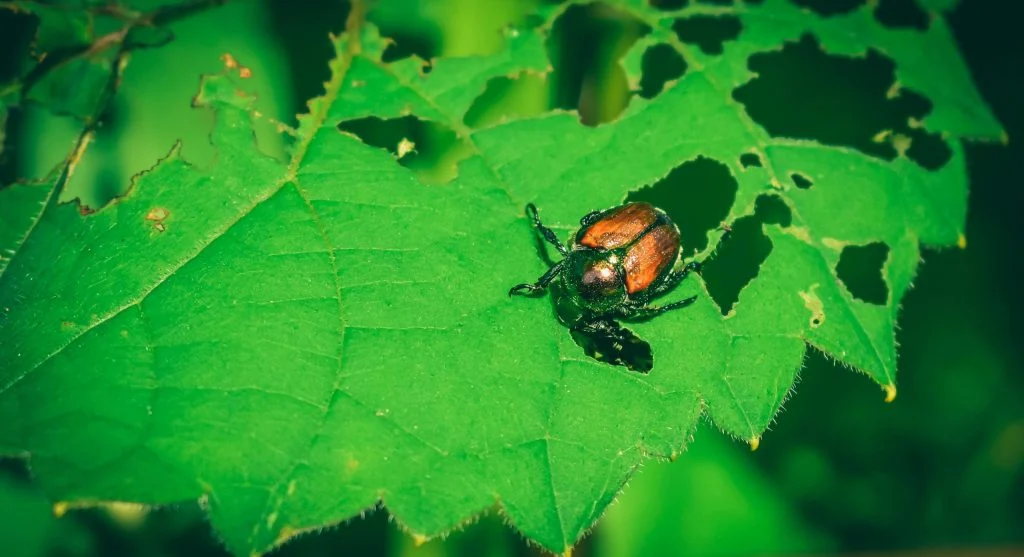
Japanese beetles are among the most damaging garden pests in the eastern and midwestern United States, and their range is still spreading westward. The adult beetles are easy to recognize, with metallic green and copper bodies about half an inch long. They feed heavily on the leaves, flowers, and fruit of more than 300 plant species.
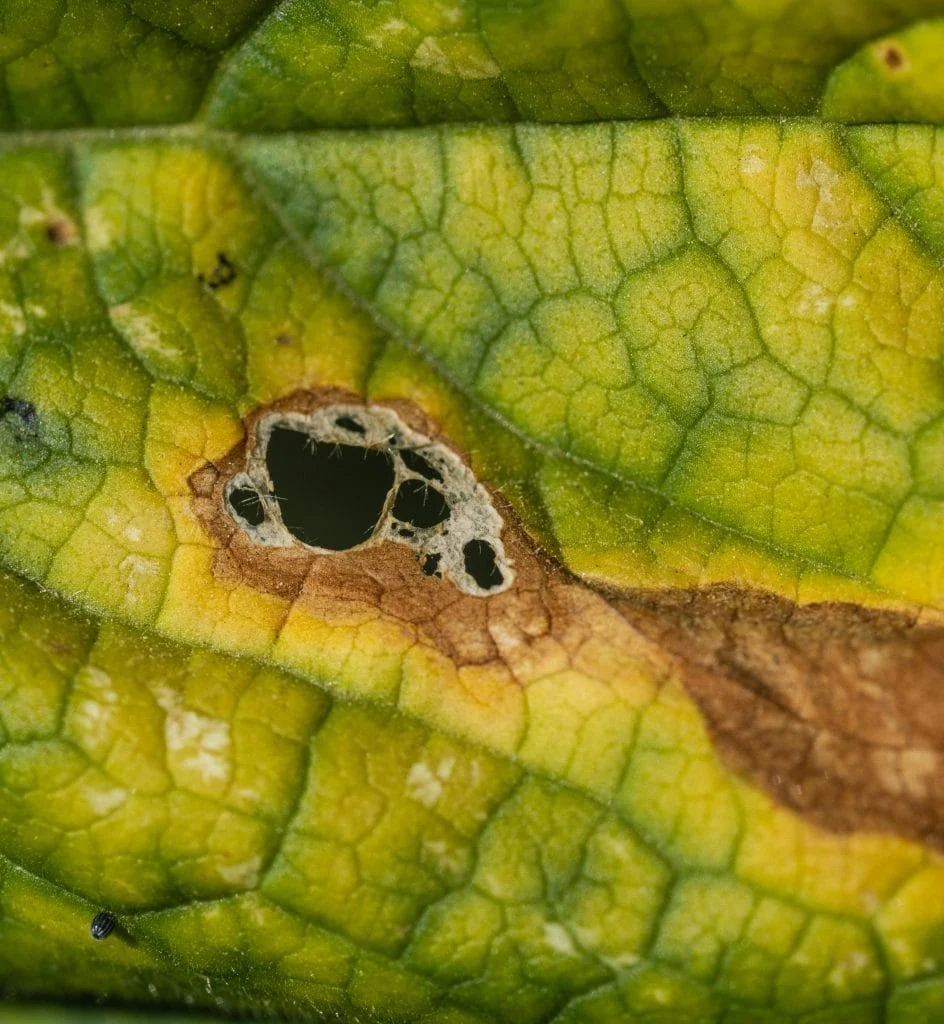
Their feeding damage is especially noticeable because they eat the soft tissue between leaf veins, leaving behind a thin, lace-like skeleton. One beetle alone may not cause much harm, but Japanese beetles release aggregation pheromones that draw more beetles to the same feeding spot. Once a large group gathers, they can strip an entire plant of foliage within days.
Entomologists at agricultural extension programs stress that successful Japanese beetle management must target both the adult beetles and their soil-dwelling larval stage, known as white grubs. Focusing on only one stage while ignoring the other usually leads to short-term, incomplete control.
Hand-Picking: The Most Effective Immediate Control
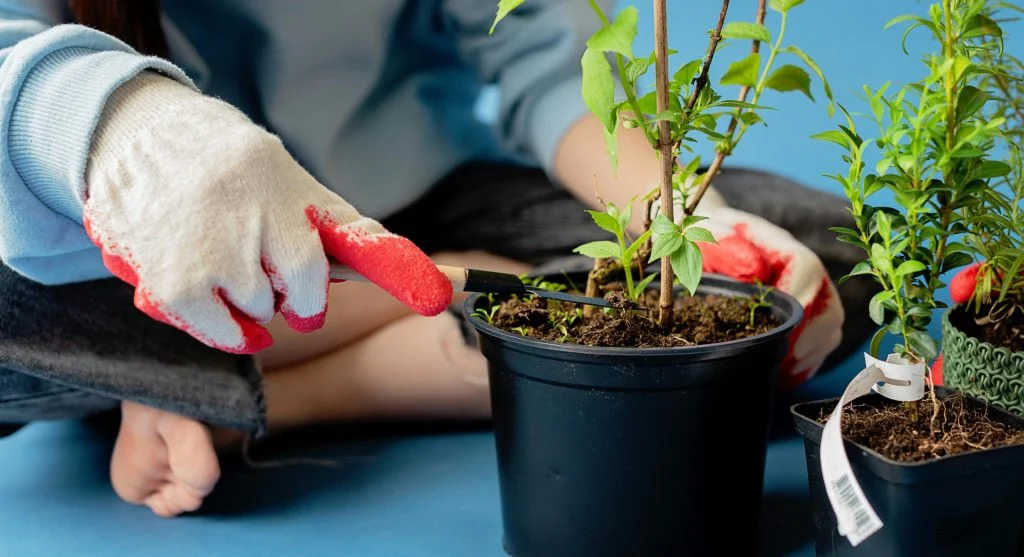
Although it may seem simple, hand-picking is the most effective immediate way to reduce Japanese beetle damage in home gardens. Adult beetles move slowly during the cool morning hours, making them easy to knock into a container of soapy water, where they drown within minutes. Hand-picking every day or every other day during peak beetle season, usually June through August in most regions, can greatly reduce feeding damage.
Just as important, it also cuts down the pheromone signals that attract even more beetles into the garden. When done consistently through the four-to-six-week adult flight period, hand-picking can reduce beetle populations by 70 percent or more in the immediate garden area.
Credit: Mikhail Nilov / Pexels
Why Beetle Traps Often Make the Problem Worse
Japanese beetle bag traps, the bright yellow and green traps sold in many garden centers, are often one of the least helpful pest control tools for home gardeners. Research from several universities has repeatedly shown that these traps attract far more beetles to an area than they actually catch.
The floral and pheromone lures can draw beetles from hundreds of yards away, and many of those beetles land on nearby plants instead of entering the trap. Studies from the University of Kentucky found that gardens located near beetle traps usually had more feeding damage than gardens without them. For that reason, entomologists generally advise against using these traps in home garden settings.
Biological Control: Targeting the Larval Stage
Japanese beetle grubs spend about 10 months of their life cycle underground, feeding on grass roots in lawns and turf areas. Treating lawns with milky spore disease, also known as Paenibacillus popilliae, or beneficial nematodes such as Heterorhabditis bacteriophora helps attack the grub population in the soil. This reduces the number of adult beetles that emerge the following summer.
Milky spore is a naturally occurring bacterium that specifically infects and kills Japanese beetle grubs without harming other soil organisms. One application can remain active in the soil for 15 to 20 years, offering long-term control. Beneficial nematodes work faster, killing grubs within 24 to 48 hours after contact, but they need to be reapplied each year because they do not persist in the soil as well as milky spore.
Companion Planting and Deterrent Strategies
No companion plant completely repels Japanese beetles, but some plants are less attractive to them and may help reduce overall feeding pressure when planted among vulnerable crops. Garlic, chives, catnip, and tansy have shown some deterrent effect in field observations, although controlled research has not confirmed consistent repellent results.
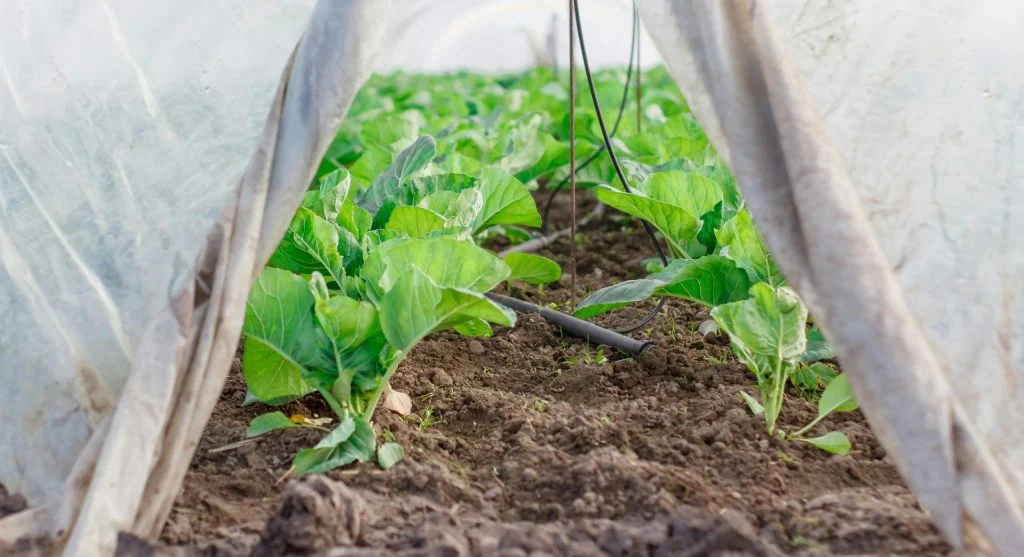
Row covers placed over susceptible crops during the peak beetle flight period, usually June through July, provide complete physical protection because the beetles cannot reach the plants. This method is especially useful for protecting high-value crops such as beans, basil, and raspberries during the relatively short adult beetle season.
Credit: Aleksander Dumała / Pexels
Key Takeaway
Controlling Japanese beetles is most effective when using a two-part approach. Hand-picking adult beetles in the morning is still considered the most reliable immediate control method, since the insects are slower and easier to remove at that time of day. For long-term reduction, applying milky spore or beneficial nematodes to lawns helps target the grub population living underground. Commercial beetle traps are generally not recommended, as research consistently shows they attract more beetles than they actually catch, often leading to even greater damage on nearby plants. During the four-to-six-week adult flight season, row covers can provide complete protection for high-value crops.