
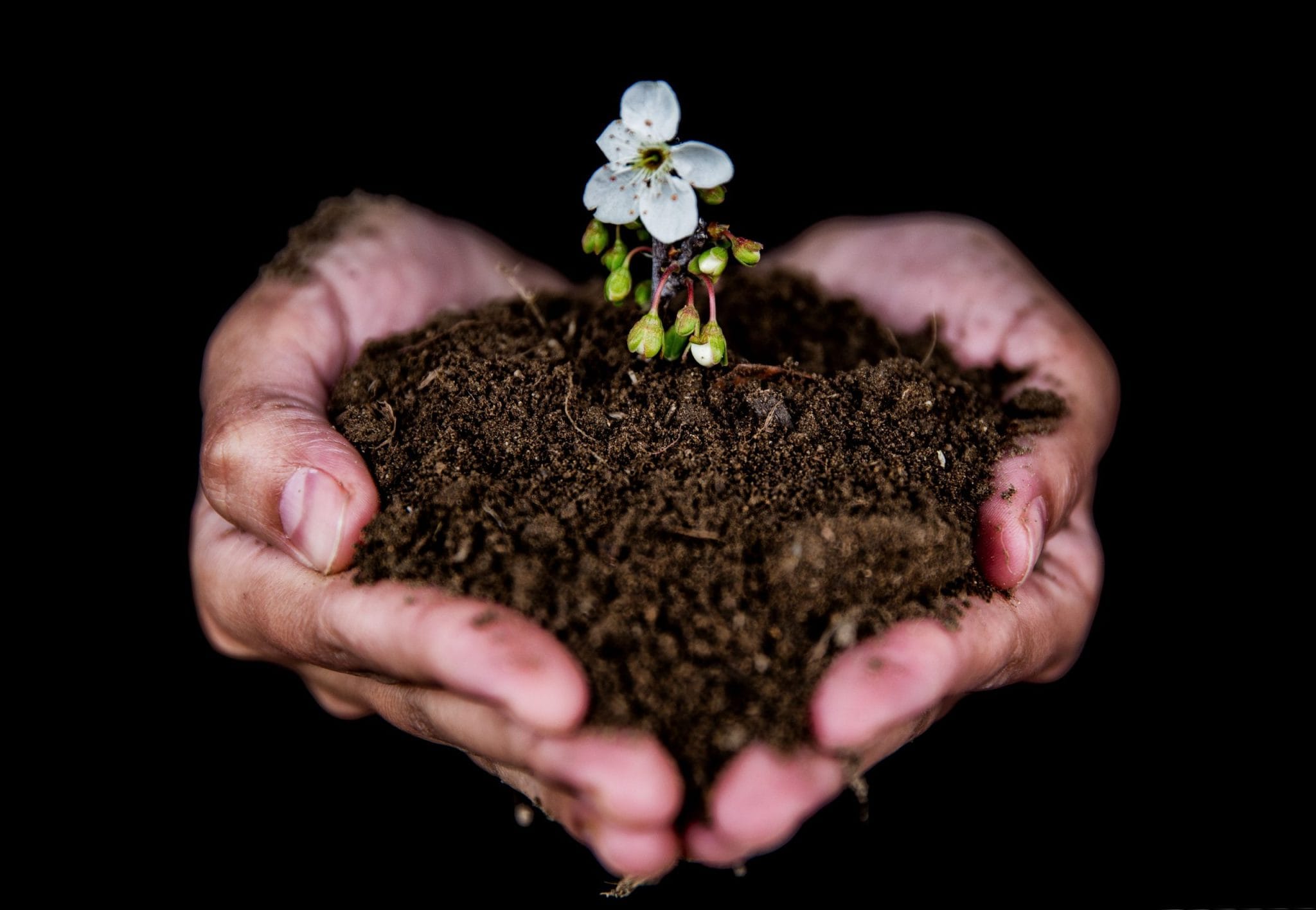
A white, fuzzy, cobweb-like growth on the surface of garden soil or potting mix can be one of the most worrying sights for home gardeners. It often looks as if the soil has spoiled, and the first reaction is usually to think the plant is in trouble. However, soil scientists and plant pathologists explain that white mold on the soil surface is, in most cases, harmless saprophytic fungi that are breaking down organic matter in the soil. These organisms are not attacking the plant, producing toxins, or signaling that the soil is bad. In fact, their presence often points to a biologically active, healthy growing medium with the organic matter and moisture that both fungi and plants need to grow well.
What the White Mold Actually Is
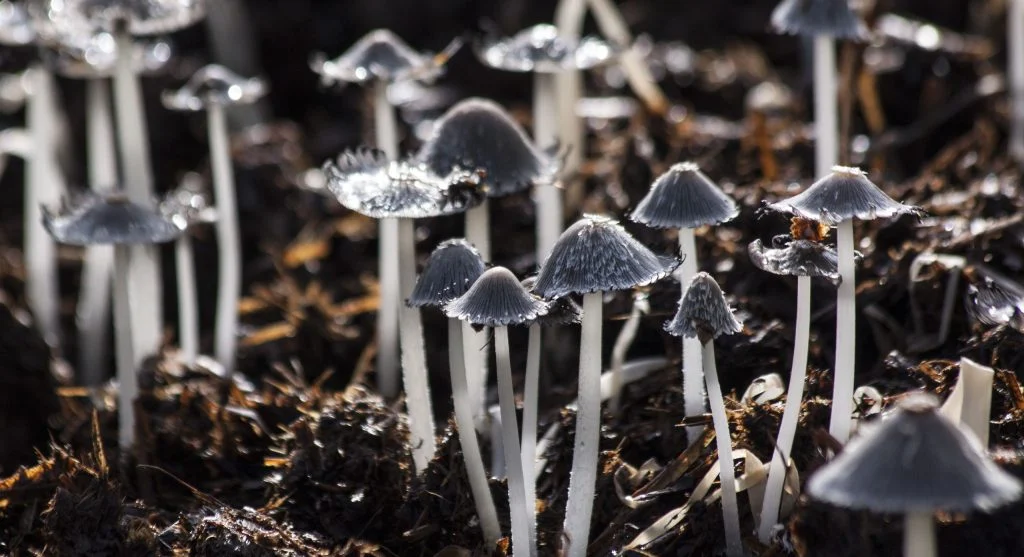
The white growth seen on the surface of soil is mycelium, the feeding structure of saprophytic fungi. These fungi live on dead organic material in the growing medium, including decomposing wood chips, bark pieces, peat moss, compost fragments, and other organic parts of potting mix or garden soil. As they break these materials down, they turn them into simpler compounds that can eventually become available to plants as nutrients. This is the same basic work done by decomposer organisms in a compost pile. The mycelium is temporary and often seasonal. It appears when moisture, temperature, and organic matter are favorable, then fades when conditions change. It does not infect living plant tissue, spread into healthy roots, or produce spores that are harmful to people or animals at normal garden levels.
When White Mold Is Not Harmless
Although most white soil mold is harmless saprophytic growth, there are two situations where gardeners should look more closely. The first is when the plant growing in the moldy soil is also showing signs of decline, such as wilting, yellowing leaves, or soft stem tissue at the soil line. In that case, the mold may simply be a secondary clue that the soil is staying too wet. Those wet conditions can encourage harmless surface fungi while also creating a favorable environment for root rot fungi below the surface. The mold itself is not the main problem, but the overwatering that helped it appear may be.
The second situation is when white mold appears directly on plant stems at the soil line rather than only on the soil surface. This may point to a pathogenic fungus such as Sclerotinia, also known as white mold disease, which does attack living plant tissue. Sclerotinia infections create a cottony white growth directly on the stem and are usually paired with soft, water-soaked tissue that collapses when squeezed. That symptom pattern is different from the harmless fuzzy growth on the soil surface that worries many gardeners.
How to Reduce Surface Mold if It Bothers You
Gardeners who dislike the look of soil surface mold can reduce it with a few simple changes. Better air circulation around the soil surface helps lower the humidity that fungi need to grow. This can be done by spacing containers farther apart, temporarily removing dense mulch, or placing a small fan nearby. Letting the top half-inch of soil dry out between waterings also removes the surface moisture that supports visible mycelium. Scraping the mold away with a spoon or trowel clears it immediately, although it may return if the same conditions remain. Replacing the top half-inch of potting mix with fresh, dry medium can provide a longer-lasting cosmetic fix. These steps are not necessary for plant health. They are mainly for the gardener’s peace of mind and visual comfort.
The Bigger Picture: Fungi Are Allies, Not Enemies
Soil scientists increasingly stress that healthy soil contains huge populations of fungi. The visible mold on the surface is only a tiny sign of the fungal activity happening throughout the root zone. Mycorrhizal fungi form helpful partnerships with plant roots, improving the plant’s ability to take up water and nutrients. Saprophytic fungi break down organic matter and release nutrients in forms plants can use. Visible fungal growth on the soil surface usually means the soil biology is active and working, which is exactly what many organic gardening practices are meant to encourage. Treating harmless surface mold with fungicides, hydrogen peroxide, or other antimicrobial products can kill beneficial organisms along with the visible growth and may reduce soil health instead of improving it.