
One of the most valuable tools a gardener can own isn’t a shovel, watering system, or even a soil test kit—it’s a garden journal. Gardeners with years of experience often say that if they could keep only one gardening resource, it would be their journal. The reason is simple: memory isn’t reliable enough to track the details that lead to better harvests year after year.
It’s easy to forget which tomato variety produced the most fruit, exactly when the first frost arrived, when peas were planted, or which garden bed struggled with disease. Recording these details as they happen—and reviewing them before the next growing season—turns past experience into practical knowledge. Over time, those records lead to steady improvements that general gardening advice alone can’t provide.
What to Record in Your Garden Journal
A useful garden journal doesn’t need to be complicated, but it should consistently capture a few important categories of information. The first is **planting records**. Note what you planted, the variety, the planting date, where it was grown, and where the seeds or transplants came from. These details make it much easier to compare results from one season to the next.
Next, record **weather and environmental conditions**. Write down frost dates, heat waves, periods of drought, heavy rainfall, and any unusual weather events. Your own observations are often more useful than published averages because they reflect the conditions in your specific garden.
It’s also helpful to keep **harvest records**. Record when each crop began producing, how much you harvested, and when production slowed or ended. These notes help identify the most productive varieties. Another valuable category is **garden problems**. Make notes about pests, diseases, and other issues as they appear. Record when they started, which plants were affected, what treatments you used, and whether those solutions worked.
Finally, include **personal observations**. Write down which vegetables tasted best, which varieties disappointed you, what techniques worked well, and what you would like to do differently next season.

Choose a Format You’ll Actually Use
The best garden journal is the one you’ll continue using.
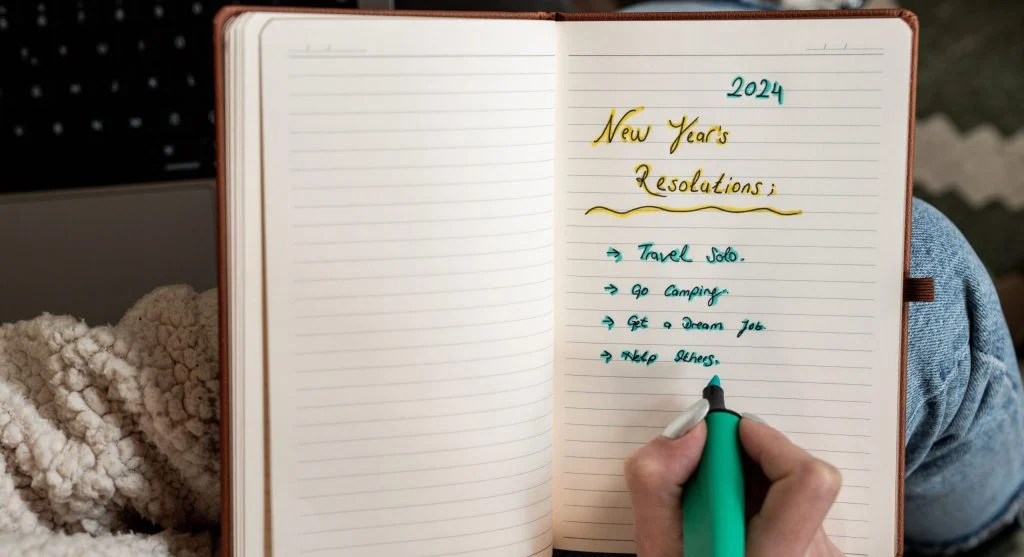
Some gardeners enjoy writing in a dedicated notebook, complete with sketches of garden beds and handwritten observations. Others prefer spreadsheets, gardening software, or note-taking apps that make it easy to search through previous seasons.
There’s no single right format. Paper journals, digital documents, and smartphone apps can all work equally well. The important thing is choosing a system that’s easy to update while the details are still fresh in your mind.
A journal that’s always within reach is much more likely to become part of your gardening routine.
Using Your Journal to Plan Next Season
A garden journal becomes especially valuable during the winter months, when the growing season has ended and planning begins for the next year.
Between December and February, reviewing previous records helps replace guesswork with real experience. Looking at several seasons together often reveals patterns that would otherwise go unnoticed.
For example, if one tomato variety performed well in two or three consecutive years, it’s probably worth planting again. If early blight continues appearing in the same bed despite crop rotation, that area may need additional disease management. If your first frost consistently arrives earlier than the average date published for your region, your own records provide a more reliable guide for future planting schedules.
These observations allow every season to build on the last, making future decisions increasingly informed.
Start Small and Build the Habit
Keeping detailed records may seem overwhelming at first, but it doesn’t have to start that way. A simple approach works just as well for beginners. Take one photograph of the garden each week and jot down a few brief notes about what you planted, harvested, or noticed. The photo automatically records the date, giving you a visual timeline of your garden’s progress.
Even these basic records provide far more useful information than relying entirely on memory. As journaling becomes part of your routine, you can gradually begin adding more detail. Many experienced gardeners find that after several seasons, updating their journal takes only a few minutes after each gardening session and they wouldn’t want to garden without it.

Key Takeaway
A garden journal helps transform each growing season into valuable experience by recording planting dates, crop varieties, weather conditions, harvests, garden problems, and personal observations. Whether you use a notebook, spreadsheet, smartphone app, or digital document doesn’t matter as much as using it consistently. Beginners can start with weekly photos and a few simple notes, then expand their records over time. Reviewing those entries each winter turns future planning into evidence-based decision-making, helping your garden become more productive with every passing year.