
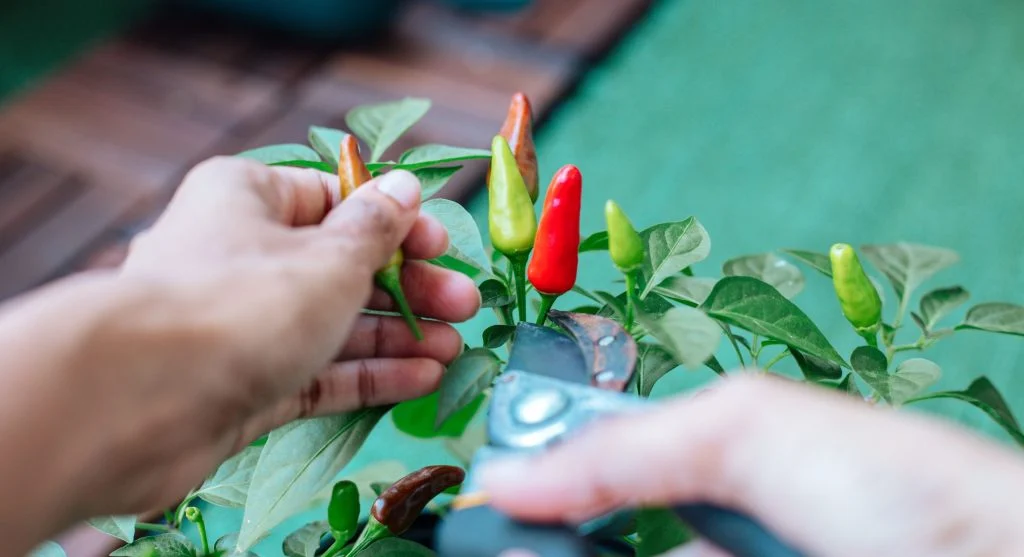
Pepper plants that produce plenty of flowers but drop them before fruit begins to form are dealing with blossom drop. This problem is frustrating because the plant often looks healthy, grows strongly, and blooms heavily, yet the flowers never move into the fruiting stage. Blossom drop in peppers has the same basic causes as blossom drop in tomatoes, which was discussed in an earlier article in this series. However, peppers are even more sensitive to these environmental triggers. Conditions that may cause only mild blossom drop in tomatoes can lead to severe or even complete blossom drop in peppers.
The Primary Cause: Temperature Stress
Peppers have one of the narrowest ideal temperature ranges for successful pollination among common garden vegetables. When daytime temperatures rise above 90°F, pepper pollen can become non-viable. Nighttime temperatures above 75°F or below 55°F can also interfere with proper pollen development.
Hot days combined with warm nights, which are common during midsummer heat waves, can cause complete pollination failure. When this happens, every flower may drop without setting fruit. This temperature-related blossom drop is the most common cause of the problem. It also explains why pepper plants often stop producing during the hottest part of the season, then suddenly begin setting fruit again when temperatures become milder in late summer or early fall.
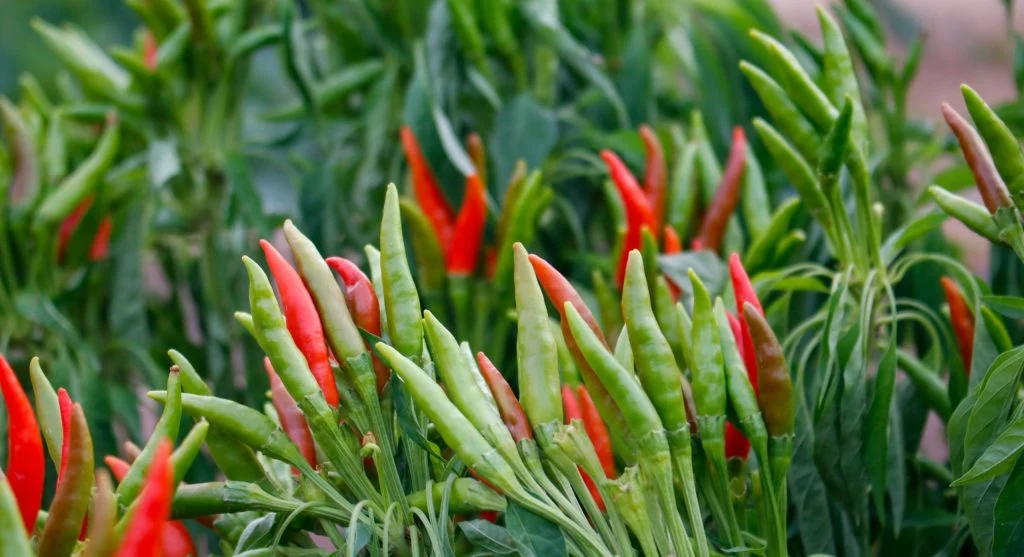
Fix 1: Provide Afternoon Shade During Heat Waves
Lowering the temperature around pepper plants during the hottest hours of the day helps protect pollen viability and supports fruit set. Shade cloth rated for 30 to 40 percent light reduction can be draped over a simple frame or hoop structure. This can lower temperatures around the plants by 5 to 10 degrees during the afternoon without blocking so much light that growth suffers.
If shade cloth is not available, pepper plants can be positioned on the east side of taller crops such as tomatoes, corn, or pole beans. These plants can provide natural afternoon shade and create a similar cooling effect. The shade should be temporary and used only during heat waves when daytime temperatures rise above 90°F. Under normal conditions, peppers still need full sun for strong photosynthesis and fruit development.
Fix 2: Maintain Consistent, Even Moisture
Both drought stress and overwatering can cause pepper plants to drop their blossoms. When plants become too dry, they shed flowers as a survival response to conserve water. When they are overwatered, damaged roots may not be able to move enough water and nutrients to developing flowers, causing those flowers to abort.
Drip irrigation on a steady schedule helps prevent both problems by keeping the soil evenly moist, similar to a wrung-out sponge. Adding three to four inches of straw mulch also helps stabilize moisture between waterings and protects the root zone from sudden temperature spikes.
Fix 3: Reduce Nitrogen and Increase Potassium
Too much nitrogen during the flowering stage encourages lush, dark green leaf growth instead of fruit development. When the plant is focused on vegetative growth, it puts less energy into the reproductive process of turning flowers into fruit.
Once the first flowers appear, switching from a nitrogen-heavy fertilizer to one higher in potassium can help shift the plant’s energy toward fruit production. Potassium is the third number in the NPK ratio. Organic potassium sources include kelp meal, wood ash in acidic soils, and sulfate of potash.
Fix 4: Be Patient Peppers Recover When Conditions Improve
During a blossom drop episode, one of the most important things a gardener can do is avoid panic-driven fixes that may make the situation worse. Adding extra fertilizer, watering too much, or pruning the plant in an attempt to “shock it” into fruiting usually does more harm than good.
When blossom drop is caused by temperature extremes, it usually corrects itself once temperatures return to the ideal range of 75 to 85°F during the day and 60 to 70°F at night. Pepper plants that have dropped flowers for two to three weeks during a heat wave often begin setting fruit again within days of moderate weather returning. Because the plant has been producing flowers without carrying a fruit load, that stored energy can sometimes lead to a strong first wave of fruit that helps make up for the mid-season gap.
Key Takeaway
Pepper blossom drop is usually caused by temperature stress, especially daytime highs above 90°F or nighttime temperatures outside the 55–75°F range. The most effective fixes are providing temporary afternoon shade during heat waves, keeping soil moisture consistent with drip irrigation and mulch, switching from nitrogen-heavy fertilizer to potassium-heavy fertilizer once flowering begins, and being patient while temperatures settle. Pepper plants often recover well and produce heavy fruit loads once ideal temperature conditions return.