
Succulents are often promoted as the easiest houseplants to keep alive. Garden center labels, social media posts, and gift tags frequently describe them as nearly impossible to kill. Yet indoor plant experts regularly see the opposite outcome. In fact, succulents are among the most commonly lost houseplants, largely because much of the advice surrounding their care is either incomplete or poorly suited to indoor conditions.
The popular “just leave them alone” approach can work for succulents growing outdoors in bright desert conditions, but indoor environments are very different. Light levels are dramatically lower, airflow is reduced, and the way water moves through containers is not the same as it is in the ground. As a result, many of the assumptions people make about succulent care end up causing problems rather than preventing them.
Myth 1: Succulents Hardly Need Any Water
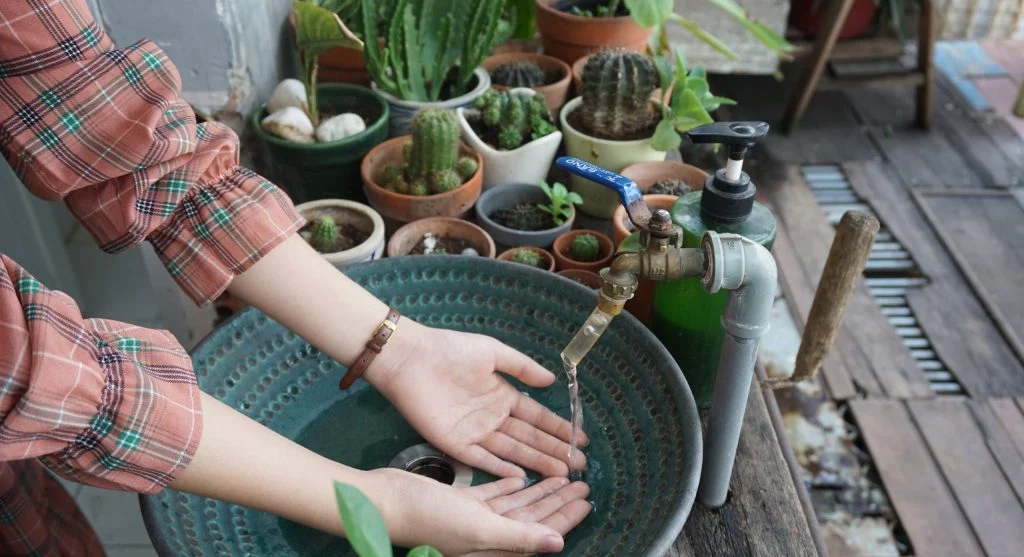
Perhaps the most damaging piece of succulent advice is the idea that they need almost no water. While succulents are exceptionally drought-tolerant and can survive long dry periods, that does not mean they prefer constant dryness. Healthy succulents grow best when they are watered thoroughly and then allowed to dry completely before the next watering.
The important distinction is between watering infrequently and watering lightly. These are not the same thing. When it is time to water, the soil should be soaked completely until water flows freely from the drainage holes. This ensures that moisture reaches the entire root system rather than just the surface.
Afterward, the soil should be allowed to dry out fully before watering again. Depending on the pot size, soil mix, temperature, and humidity, that could take anywhere from one to two weeks or sometimes longer. One of the most common mistakes is giving a succulent a small amount of water every few days. This keeps the surface damp while deeper roots remain dry, creating exactly the conditions that healthy succulents dislike.
Myth 2: Any Sunny Window Provides Enough Light
Many people underestimate how much light succulents actually need. These plants evolved in some of the brightest environments on Earth, including deserts, rocky slopes, and open landscapes with little or no shade. Even a bright indoor room provides only a fraction of the light they would receive outdoors.
A succulent placed several feet away from a window or sitting in an east-facing window often does not receive enough light for long-term health. Over time, the plant may begin stretching toward the light source, a condition known as etiolation. Leaves become farther apart, growth becomes weak and elongated, and colors often fade.
For most succulents, the best indoor location is directly on the sill of a south-facing or southwest-facing window where they can receive the strongest possible natural light. In homes where that level of sunlight is unavailable, a simple LED grow light can make a dramatic difference. Even an inexpensive grow bulb placed in a desk lamp and run for 12 to 14 hours per day can help maintain compact growth and healthier foliage.
Myth 3: Drainage Holes Are Optional
Decorative succulent arrangements have become increasingly popular, and many are sold in containers without drainage holes. Terrariums, coffee mugs, decorative bowls, and glass containers often look attractive, but they create one of the biggest risks to succulent health.
Succulents cannot tolerate water trapped around their roots for extended periods. No matter how carefully a person waters, excess moisture eventually accumulates when there is nowhere for it to escape. This often leads to root rot, which remains one of the leading causes of succulent failure indoors.
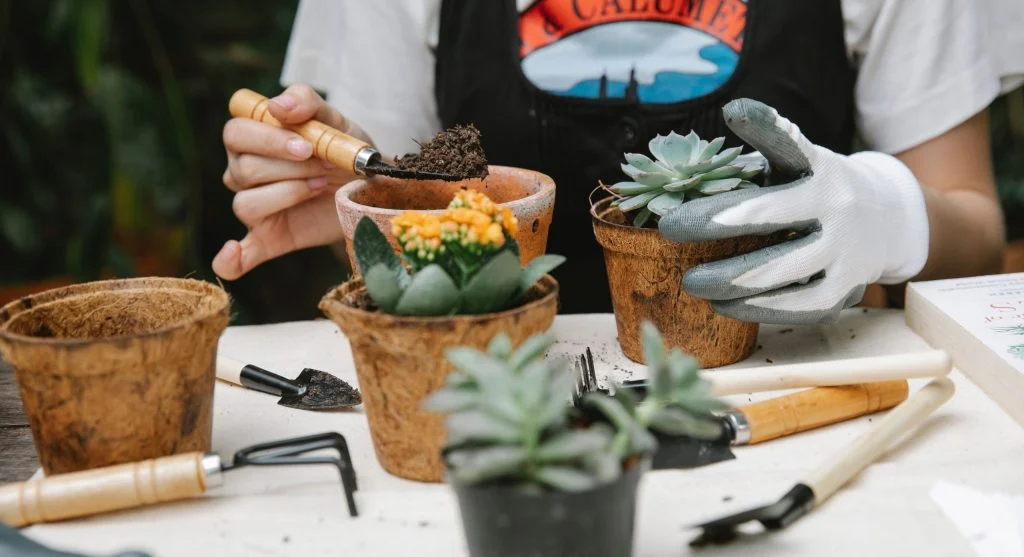
Every succulent container should have at least one drainage hole. If a decorative pot does not have drainage, a better solution is to keep the plant in a plastic nursery pot with proper drainage and place that pot inside the decorative container. After watering, allow excess water to drain completely before returning the plant to its outer pot.
This simple adjustment preserves the appearance of decorative containers while protecting the plant from one of the most common causes of decline.
Myth 4: Regular Potting Soil Is Good Enough
Standard houseplant potting mixes are designed to retain moisture, which works well for many tropical houseplants but creates problems for succulents. Indoors, where evaporation occurs more slowly, traditional potting soil can remain wet for several days after watering. For succulents, that prolonged moisture increases the risk of root problems.
These plants perform best in a fast-draining growing medium that allows water to move through quickly and air to reach the roots. Commercial cactus and succulent mixes are usually a good starting point because they contain materials that improve drainage.
Gardeners who prefer to mix their own soil can create a simple alternative by combining equal parts regular potting mix and perlite or coarse pumice. The goal is a soil blend that drains rapidly, allows excess water to escape within seconds, and dries much faster than standard potting soil.
A properly draining mix helps recreate the conditions succulents experience in their native environments and significantly reduces the chances of overwatering damage.
The Real Secret to Healthy Indoor Succulents
Most succulent problems do not come from watering too much or too little alone. They usually result from a combination of factors that work against the plant at the same time. Low light, poor drainage, moisture-retaining soil, and incorrect watering habits often combine to create conditions that succulents struggle to tolerate.
Successful indoor succulent care is not about neglecting the plant. It is about understanding what these plants actually need and recreating those conditions as closely as possible. Bright light, thorough but infrequent watering, proper drainage, and fast-draining soil form the foundation of healthy growth.
Key Takeaway
Many common succulent care myths cause more harm than help when applied indoors. Succulents do not thrive on tiny amounts of water, they need far more light than many people realize, drainage holes are essential, and ordinary potting soil often stays wet for too long. When given bright light, proper drainage, well-draining soil, and thorough but infrequent watering, succulents are far easier to grow successfully and far less likely to become another “impossible-to-kill” plant that mysteriously fails indoors.