
Seed packets and garden catalogs often describe varieties as **hybrid**, **heirloom**, or **open-pollinated**, but these labels aren’t always explained in a way that helps gardeners make confident choices. Each type offers its own strengths and drawbacks, and the right option depends on what matters most to you. Some gardeners value dependable performance, while others care more about preserving old varieties, saving seeds, or growing plants with strong disease resistance. Once you understand what these terms mean and how they affect your garden, choosing seeds becomes a thoughtful decision rather than one influenced by marketing.
Open-Pollinated: The Best Choice for Saving Seeds
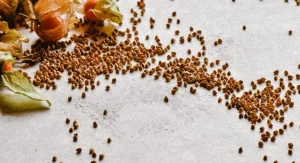
Open-pollinated (OP) varieties naturally produce plants that remain true to type when pollinated by wind, insects, or self-pollination. In other words, seeds collected from an open-pollinated plant will grow into plants that closely match the original parent.
This consistency is what makes seed saving possible. For example, if you grow an open-pollinated Brandywine tomato and save seeds from your healthiest fruits, you can expect those seeds to produce Brandywine tomatoes again the following season.
Every heirloom variety is open-pollinated, but not every open-pollinated variety is considered an heirloom. Plant breeders at universities and independent breeding programs continue to develop and release new open-pollinated varieties.
One important exception involves crops that cross-pollinate easily, such as squash, corn, and many brassicas. If different varieties of the same species are growing nearby, the seeds may not stay true to the parent plant. Gardeners who want to save reliable seed from these crops often need to isolate plants or use hand-pollination techniques.
Heirloom: Rich History, Outstanding Flavor, and Valuable Diversity
Heirloom varieties are open-pollinated plants that have been passed from one generation of gardeners to the next. Most gardeners consider a variety an heirloom if it has been grown for at least 50 years, although some definitions use 1945—before hybrid seeds became widely available—as the cutoff date.
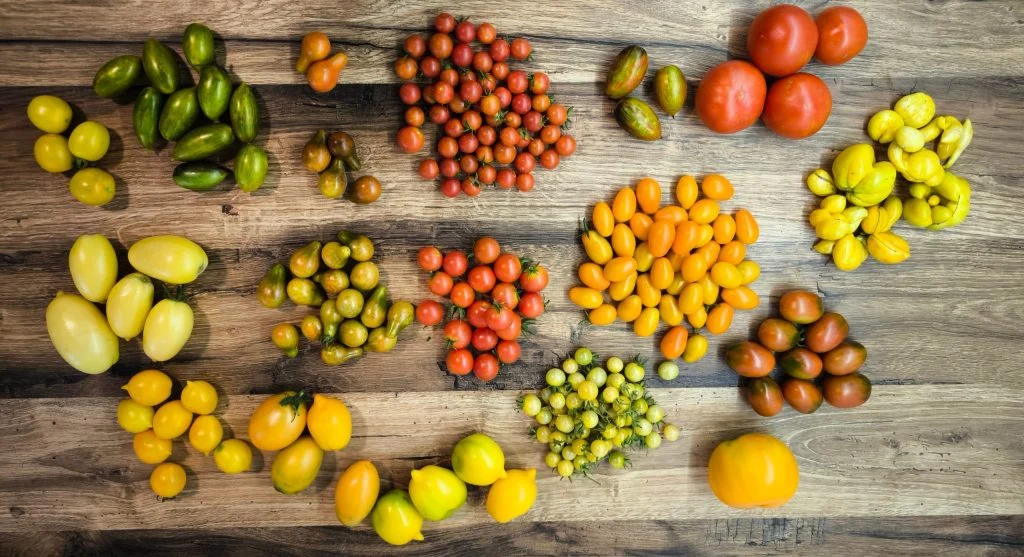
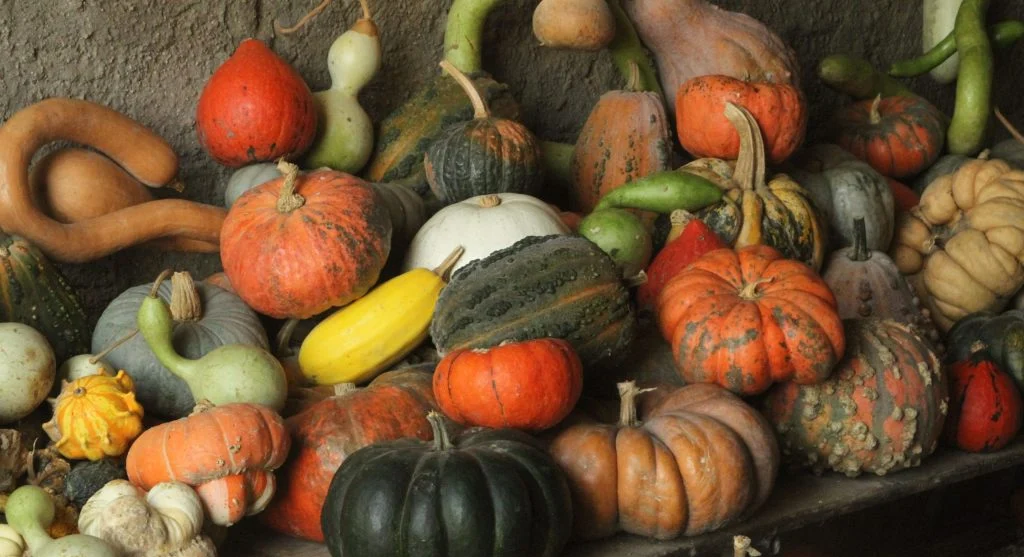
Gardeners often choose heirloom vegetables because of their exceptional flavor, unique colors and shapes, and the history connected to each variety. Classic examples include Brandywine tomatoes from the 1880s, Scarlet Nantes carrots introduced in the 1870s, and Kentucky Wonder beans dating back to the 1850s. These varieties have survived for generations because gardeners continued saving and sharing seeds from plants they considered worth preserving.
The trade-off is that many heirloom varieties were developed before modern breeding focused heavily on disease resistance. As a result, they may require closer attention and better growing conditions in gardens where diseases are a recurring problem.
Hybrid (F1): Reliable Performance with Built-In Disease Resistance
Hybrid varieties, identified by the label **F1** on seed packets, are created by carefully crossing two selected parent lines under controlled conditions. Seed companies combine parents with different strengths, such as disease resistance, larger fruit, improved flavor, or earlier maturity, to produce offspring with the best combination of traits.
Because of this selective breeding, F1 hybrids are usually more vigorous, more uniform, and more resistant to diseases than either parent line alone.
The downside is that hybrid seeds cannot be reliably saved for future planting. Seeds collected from F1 plants produce a second generation, known as F2, that separates into many different genetic combinations. Those plants may resemble one of the grandparents, the original hybrid, or something entirely different. For that reason, gardeners who grow hybrids generally purchase fresh seed each year instead of saving their own.
Which Type Should You Choose?
The best choice depends on your gardening goals.
If saving seeds, becoming more self-sufficient, and maintaining genetic diversity are your priorities, open-pollinated and heirloom varieties are excellent options.
If you garden in an area where plant diseases are common and you want dependable harvests with less intervention, F1 hybrids with specific disease resistance codes—such as **VFN** for tomatoes or **PM** for cucurbits—offer clear practical benefits.
Gardeners who value outstanding flavor, unusual colors, and historic varieties often prefer heirlooms because they provide qualities that many hybrids cannot replicate.
In reality, many experienced gardeners grow all three types together. They rely on hybrids for dependable production, plant heirlooms for exceptional taste and variety, and grow open-pollinated vegetables so they can continue saving seeds year after year. The balance simply depends on individual priorities and growing conditions.
Key Takeaway
Open-pollinated seeds produce plants that remain true to type, making them the best option for gardeners who want to save seeds. Heirloom varieties are open-pollinated plants with a long history, valued for their distinctive flavors, unique appearance, and cultural significance, although many do not have the disease resistance found in modern hybrids. F1 hybrid seeds combine desirable traits from carefully selected parent plants, delivering consistent growth and improved disease resistance, but their seeds cannot be saved for reliable replanting. For most home gardens, a combination of all three offers the greatest flexibility—hybrids provide dependable performance, heirlooms add flavor and diversity, and open-pollinated varieties make long-term seed saving possible.