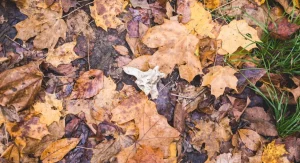

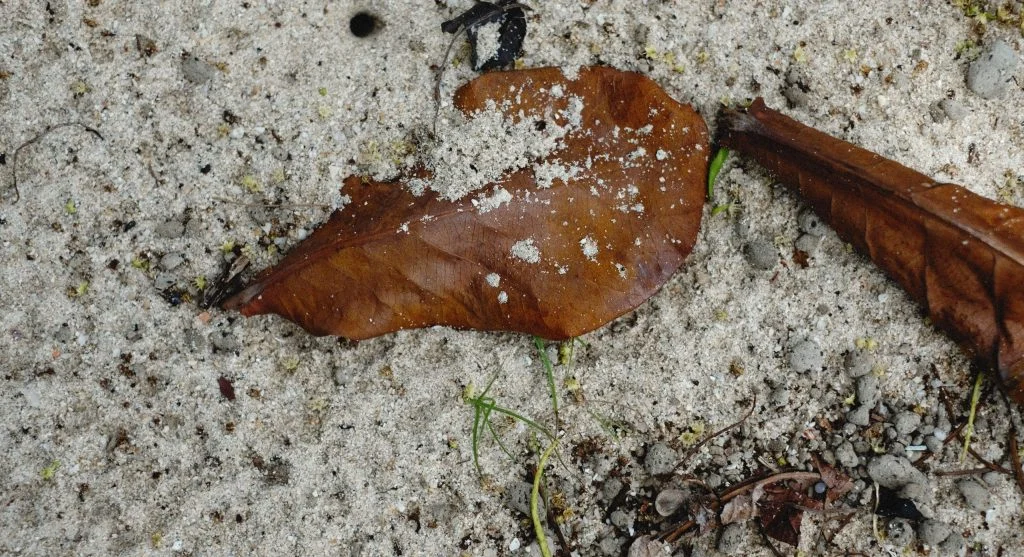
Leaf mold is a rich, dark, crumbly material created when fallen leaves slowly break down through natural fungal activity. Unlike compost, which relies on bacteria and a balance of green and brown materials, leaf mold forms from leaves alone. It is also different from mulch, which sits on the soil surface before decomposing.
Although it contains relatively few nutrients, leaf mold is one of the most valuable soil conditioners a gardener can make. It can hold up to 500 percent of its own weight in water, improve the structure of both sandy and heavy clay soils, and provide an ideal habitat for beneficial soil organisms. Gardeners in Britain have relied on leaf mold for generations, often considering it one of the finest soil amendments available because of its remarkable ability to improve soil texture and moisture retention.
The Easiest Method: Simply Pile the Leaves and Wait
Making leaf mold is about as simple as gardening gets. Gather fallen leaves into a pile and allow nature to do the rest.
Unlike composting, there is no need to mix in nitrogen-rich materials, turn the pile, monitor temperatures, or regularly check moisture levels. Naturally occurring fungi primarily basidiomycetes and ascomycetes gradually colonize the leaves and break them down over time.
For whole leaves, the process usually takes between 12 and 24 months. It is slower than composting, but once the pile is built, it requires virtually no maintenance.
If you want faster results, shred the leaves before piling them. Running a lawn mower over dry leaves is an easy way to do this. Smaller leaf pieces provide more surface area for fungi, reducing the decomposition time to roughly 6 to 12 months.
Easy Ways to Keep the Leaves Contained
One challenge with loose leaf piles is that wind can scatter them before they have time to break down. A simple enclosure solves this problem. One of the easiest options is to create a cylinder using chicken wire or hardware cloth. A bin measuring about three to four feet across and roughly three feet high provides enough space while allowing the airflow that fungi need for healthy decomposition.
Another convenient method is to fill large black plastic bags with leaves. After adding the leaves, lightly moisten them, poke a few holes for ventilation, and store the bags in a quiet corner of the yard. Whole leaves stored this way usually become leaf mold within 12 to 18 months, while shredded leaves often finish in 6 to 12 months. Many gardeners start new bags or bins every autumn so they have a fresh supply of finished leaf mold available for use each spring.
How to Use Finished Leaf Mold
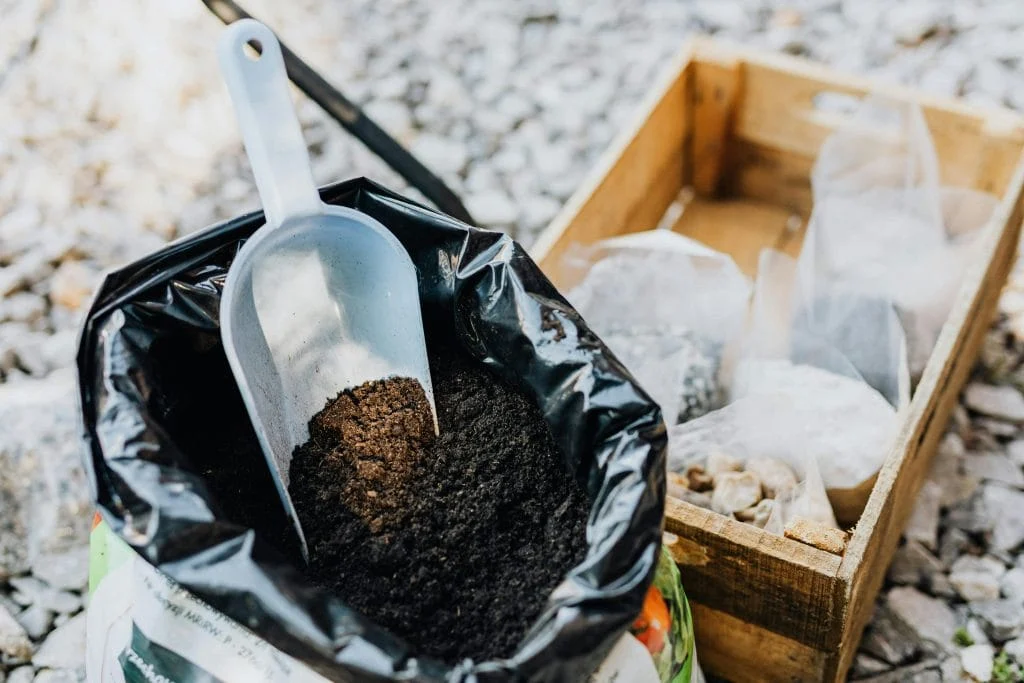
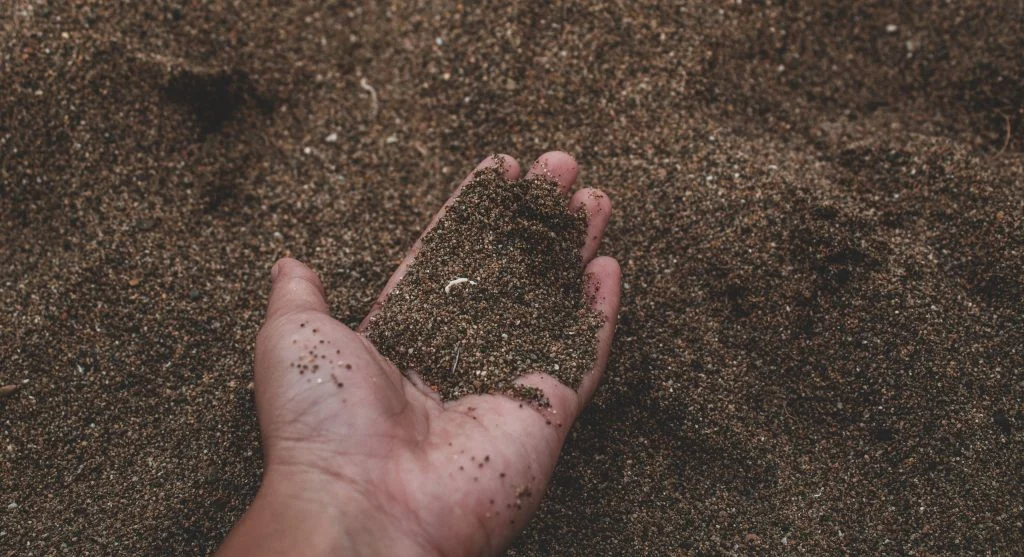
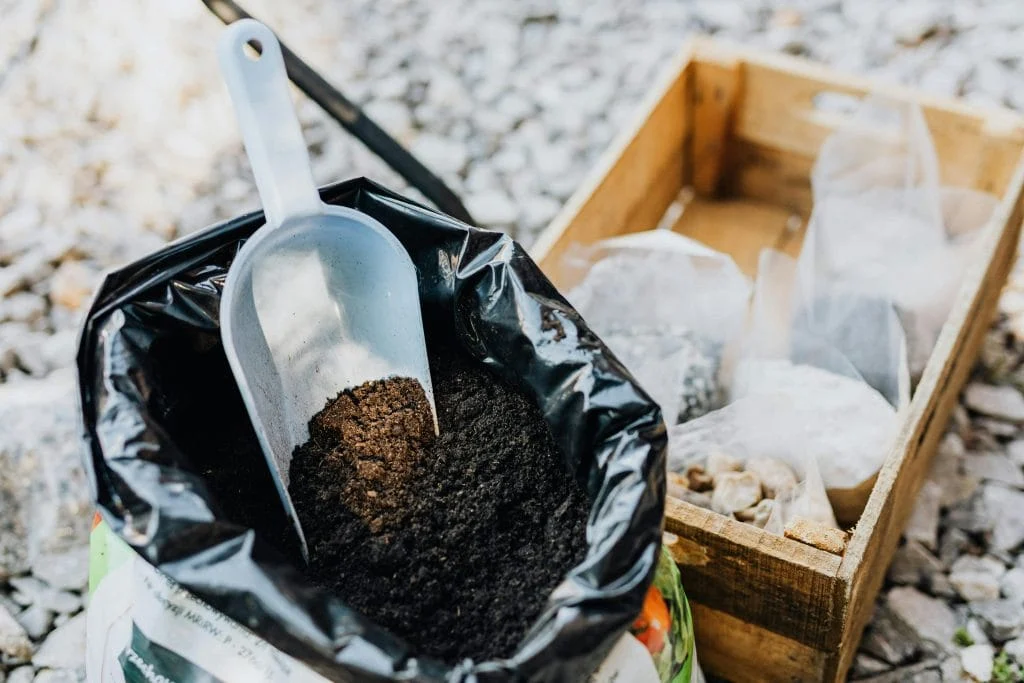
Properly finished leaf mold is dark brown to nearly black, soft, crumbly, and has the pleasant earthy scent of a damp forest floor.
Because it is a soil conditioner rather than a fertilizer, it improves the growing environment without supplying significant nutrients.
Leaf mold has several practical uses throughout the garden:
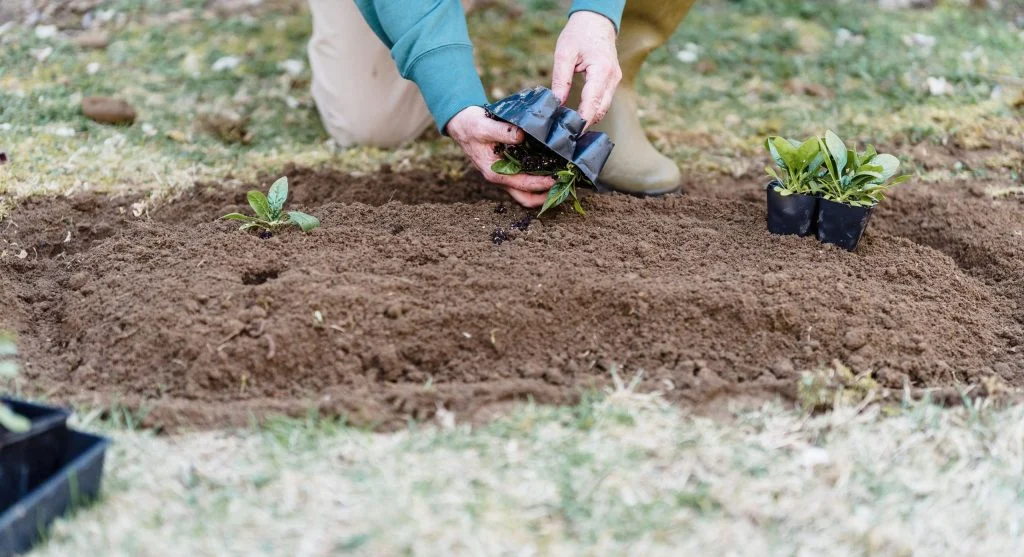
* Mix 2 to 3 inches into the top 6 inches of garden soil to improve structure and water retention.
* Combine it with perlite in a 50:50 ratio to create an excellent seed-starting medium.
* Spread a 2 to 3-inch layer around established plants as an organic mulch.
* Replace peat moss in potting mixes using a one-to-one ratio.
Although leaf mold contributes very little plant nutrition, it works exceptionally well alongside compost or fertilizer. By improving soil structure and moisture retention, it helps plants make better use of available nutrients.
Key Takeaway
Leaf mold is one of the simplest and most effective soil amendments you can produce at home. All it requires is a pile of fallen leaves and enough time for natural fungal decomposition to occur. There is no turning, no mixing of green materials, and virtually no ongoing maintenance. Shredding the leaves can reduce the process from up to two years to as little as six months, while simple wire bins or ventilated black bags keep everything contained. Once finished, leaf mold dramatically improves water retention, enhances soil structure, supports beneficial soil life, and works as a mulch, seed-starting ingredient, or peat moss alternative. For gardeners looking to turn a free autumn resource into healthier soil, few projects are easier or more rewarding.