
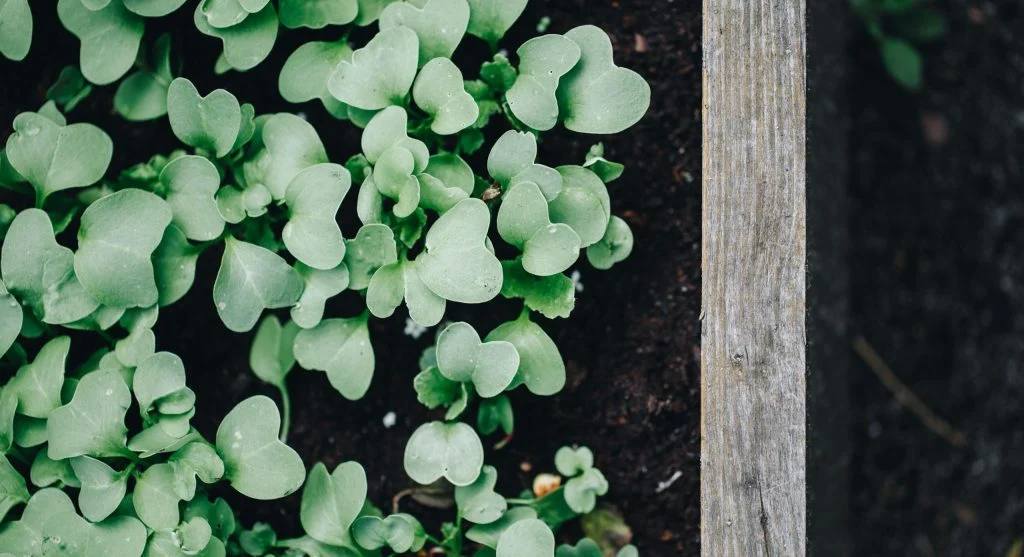
Every raised bed gardener eventually notices the same thing: the soil level inside the bed drops by two to four inches, and sometimes even more, during a single growing season. A bed that was filled right to the top in spring may sit noticeably below the rim by fall. This sinking is not usually caused by soil loss, foot traffic compaction, or a problem with the bed’s structure. In fact, foot traffic should never happen inside a raised bed. The drop is a natural and expected result of organic matter breaking down, which is the same biological process that helps make raised bed soil so productive.
Why Soil Sinks: Decomposition Reduces Volume
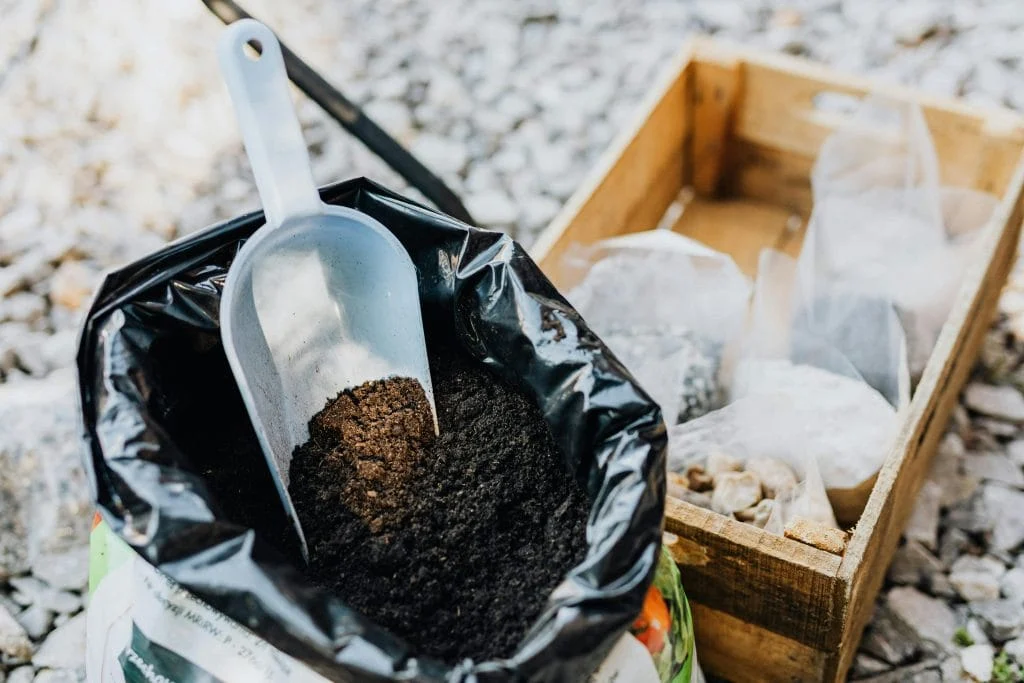
Raised bed soil mixes often contain 30 to 50 percent organic matter by volume, including compost, peat moss, or composted bark. This organic material is actively being worked on by soil bacteria, fungi, earthworms, and other organisms. As they break it down into simpler compounds, nutrients are released for plants to use.
During this process, the physical volume of the organic matter decreases. Bulky, fluffy compost and bark particles slowly turn into smaller humus particles and gases, mainly carbon dioxide. That volume loss shows up as a visible drop in the soil level. The more organic matter the original mix contained, the more noticeable the first-year sinking will usually be. In later years, the drop is often less dramatic because the easiest material to decompose has already been consumed, leaving behind more stable humus and mineral components such as sand and silt that do not break down in the same way.
The Annual Replenishment Strategy
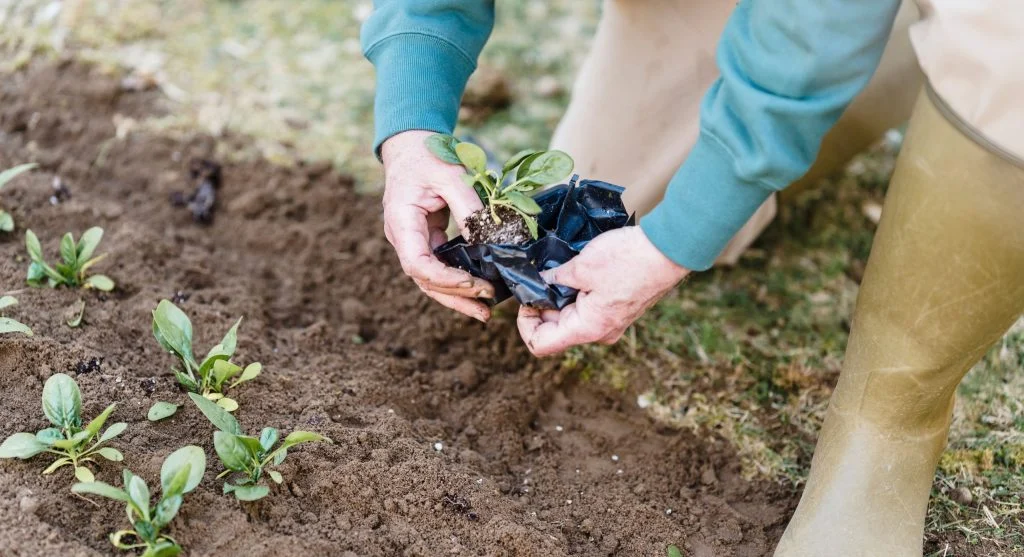
The right response to sinking soil is not to refill the bed with a whole new load of the original soil mix. That would be expensive and, in most cases, unnecessary. A better approach is to add a two-to-three-inch layer of finished compost to the surface each spring.
This annual compost top-dressing does three useful things at once. It restores the soil level lost through decomposition, replaces the organic matter that soil life consumed during the previous season, and adds slow-release nutrients for the next crop. Lightly working the compost into the top three to four inches of existing soil helps blend it into the root zone while preserving the deeper soil structure below.
Over time, this yearly compost addition builds a soil profile that becomes richer, more biologically active, and more productive. Each season can perform better than the last because the bed is gradually building and maintaining its organic matter reserves.
When the Level Drop Is More Severe
First-year raised beds often sink more noticeably, sometimes four to six inches, because the initial fill mix contains the highest amount of undecomposed organic matter. Beds filled mostly with pure compost, without a mineral component such as topsoil, may sink even more because compost is almost entirely organic material.
When a first-year drop is severe, adding a two-to-three-inch layer of topsoil blended with compost can help restore both volume and long-term structure. This is usually better than adding pure compost alone because the topsoil contributes the mineral base that helps stabilize the bed over time. In later years, a yearly compost-only top-dressing is usually enough to keep the soil level within one to two inches of the bed rim.
What Not to Do
Filling sunken raised beds with pure topsoil, without organic matter, can dilute the rich, biologically active growing medium that makes raised beds so useful. Garden soil from other parts of the property should also be avoided because it may bring in weed seeds, disease organisms, or compacted structure that weakens the raised bed environment.
Sand should never be added simply to fix sinking. It does not replace the volume or function of lost organic matter, and it can create drainage and structure problems when mixed into existing bed soil. Finished compost is the proper replacement. It is the same kind of material that breaks down and causes the soil level to drop, but it is also exactly what the bed needs to stay fertile, active, and productive.
Key Takeaway
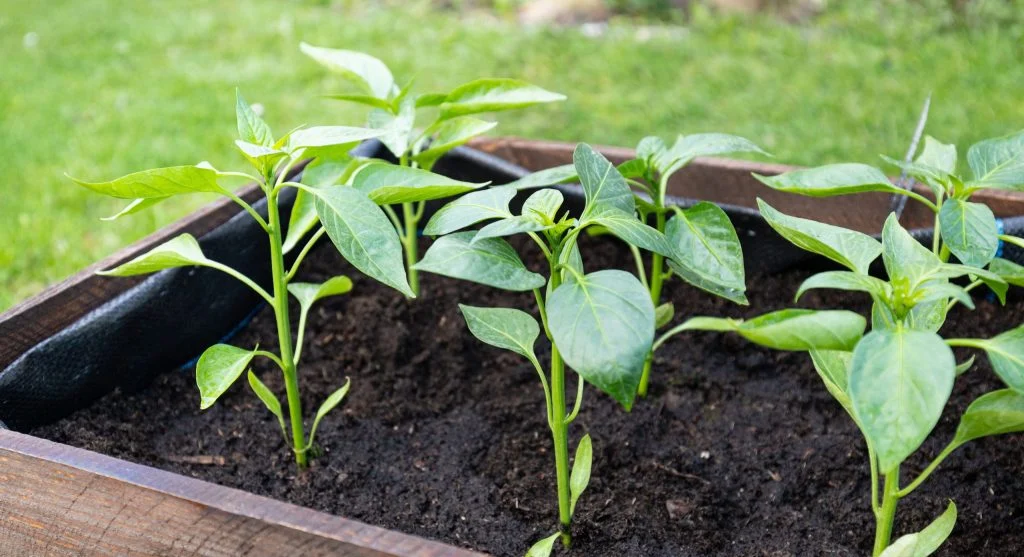
Raised bed soil sinks because the organic matter in the mix naturally decomposes, reducing volume while releasing nutrients back into the soil. The right yearly maintenance is to add 2–3 inches of finished compost to the surface each spring and lightly work it into the top few inches of existing soil. In the first year, sinking may be more noticeable, often 4–6 inches, and can be corrected with a compost-and-topsoil blend. Pure topsoil, garden soil, or sand should not be used to refill raised beds. Adding compost each year is not a repair for a problem — it is normal maintenance that helps raised bed soil become more productive over time.