
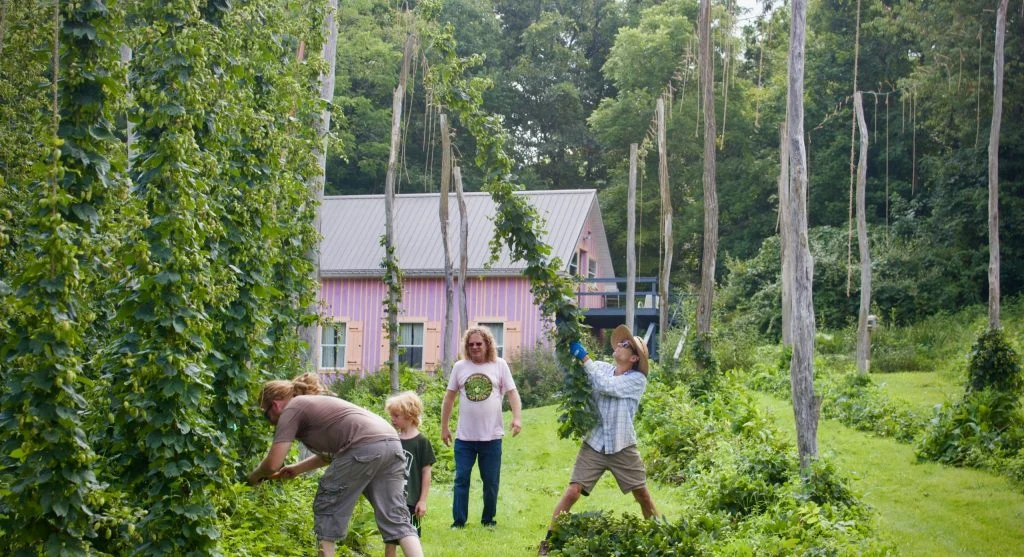
Growing vegetables vertically is one of the easiest ways to make better use of garden space. Instead of allowing vines to spread across the ground, a sturdy trellis encourages them to grow upward, creating a healthier and more productive garden.
Vertical growing offers several benefits. It improves air circulation, helps reduce disease problems, keeps fruit cleaner by lifting it off the soil, and makes harvesting much easier. Whether you’re growing cucumbers, beans, peas, squash, or melons, a dependable trellis quickly becomes one of the most valuable structures in the garden.
The good news is that building one doesn’t require advanced carpentry skills. Using a few basic materials, most gardeners can build a strong, reusable trellis in just one or two hours, and with proper care, it can last for many growing seasons.
Three Reliable Trellis Materials
Several materials work well for supporting climbing vegetables, but three options have consistently proven to be dependable in home gardens.
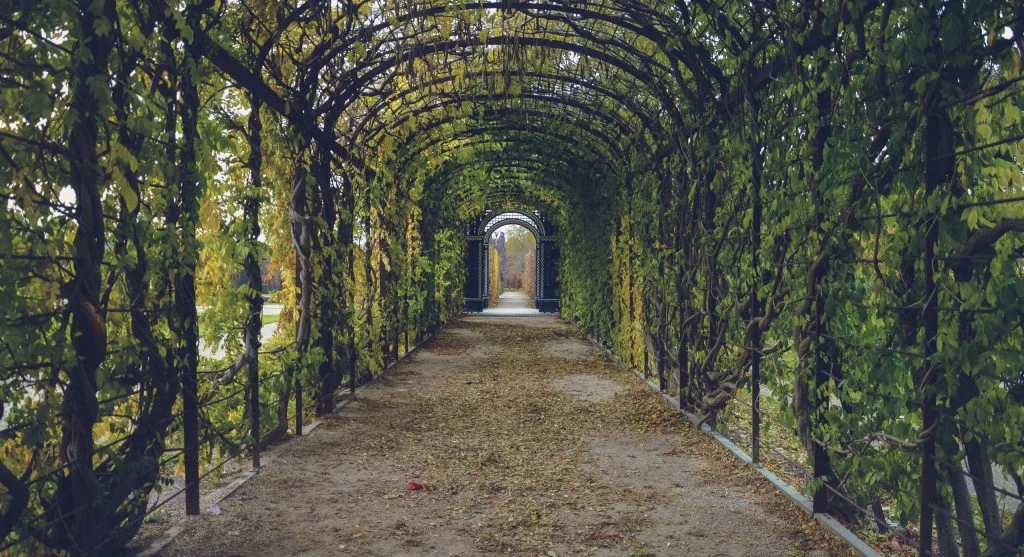
**Cattle panels**, sometimes called livestock or hog panels, are among the strongest choices available. These heavy-duty welded wire panels typically measure 16 feet long by about 50 inches high and are commonly sold at farm supply stores. They can support even heavy crops like winter squash and small watermelons. Gardeners often install them vertically, lean them against fences, or bend them into archways over garden paths.
Another excellent option is a **wooden frame with string or wire**. Two sturdy support posts connected by horizontal strings, galvanized wire, or netting create a versatile structure that’s ideal for lighter climbing vegetables such as peas, beans, and cucumbers. This style is attractive, easy to customize, and inexpensive to build.
The third option is **trellis netting** made from nylon or polyester. Stretched between two posts, it provides an affordable and lightweight support for crops like pole beans, peas, cucumbers, and cherry tomatoes. However, it isn’t strong enough to carry the weight of larger squash or melons.
Building a Simple Post-and-String Trellis
One of the easiest and most adaptable trellis designs uses two sturdy end posts with horizontal supports stretched between them.
Place the posts approximately six to ten feet apart. Each post should be at least seven feet long so that around two feet can be buried underground for stability, leaving roughly five feet above the soil.
Pressure-treated 4×4 lumber, heavy-duty metal T-posts, or galvanized steel pipe all make excellent support posts because they withstand weather and remain stable for years.
Once the posts are secure, stretch horizontal rows of garden twine, galvanized wire, or durable clothesline rope between them. Space each row about eight to twelve inches apart, beginning roughly six inches above the ground and continuing to the top of the structure.
This simple design provides excellent support for crops such as:
* Pole beans
* Peas
* Cucumbers
* Lightweight squash varieties
If you plan to grow heavier vegetables, replacing the strings with welded wire fencing or sections of cattle panel creates a much stronger climbing surface.
Match the Trellis to the Plant
Different vegetables climb in different ways, so choosing the right support makes a noticeable difference.
Pole beans climb by wrapping their stems around narrow vertical supports, making strings, poles, and stakes ideal.
Peas use delicate tendrils that easily grip twine, netting, and thin wire.
Cucumbers also climb with tendrils, but they perform best on mesh or netting because they cannot easily grip supports thicker than about half an inch.
Squash and melons require a little extra help. Their tendrils aren’t strong enough to support the full weight of mature vines and developing fruit, so gardeners usually guide the vines by hand and secure them gently to the trellis as they grow.
Understanding how each plant climbs helps ensure the support system matches its natural growth habit.
Build for Strength and Stability
A trellis is only as strong as its foundation.
One of the most common problems occurs when end posts aren’t anchored deeply enough. Wind, rain, and the increasing weight of mature vines can gradually pull a weak structure out of alignment.
To prevent this, bury each post at least 18 to 24 inches deep. In sandy or loose soil, setting posts even deeper—or securing them with concrete provides additional stability.
Adding diagonal braces from each end post to a stake in the ground also helps prevent leaning as plants become heavier throughout the season.
Whenever possible, install the trellis before planting. This avoids disturbing developing roots later and allows the structure to settle firmly before vines begin climbing.
Key Takeaway
A simple garden trellis made from two sturdy posts and horizontal strings, wire, or netting can support most climbing vegetables while taking only one or two hours to build. For heavier crops such as squash and melons, cattle panels provide exceptional strength and durability. Burying posts 18 to 24 inches deep ensures the structure remains stable throughout the season, while matching the support material to each plant’s climbing habit helps vines grow more successfully. Installing the trellis before planting creates the strongest foundation for healthy, productive vertical gardens that can be used year after year.