
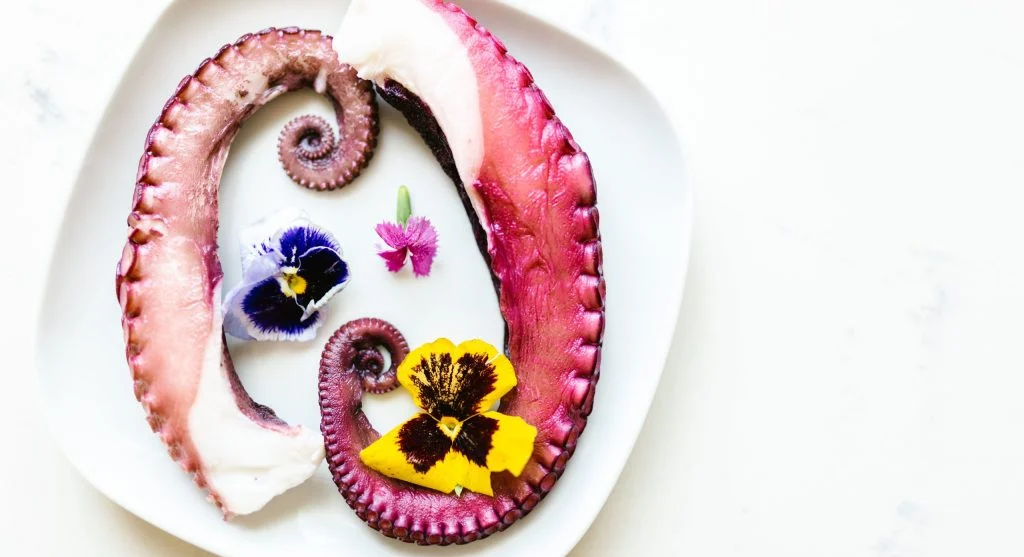
Edible flowers hold a special place in the home garden because they do more than simply look pretty. They work as ornamental plants that brighten the landscape, pollinator-friendly flowers that attract beneficial insects to nearby food crops, and culinary ingredients that bring color, flavor, and visual interest to salads, desserts, cocktails, and cooked dishes. Growing edible flowers does not require more effort or skill than growing common annual flowers, and several types are among the easiest plants for beginners to grow. The most important rule is safety: only eat flowers that have been grown without pesticides and positively identified as edible. Not every garden flower is safe to eat, and flowers from florists or garden centers may contain chemical residues.
1. Nasturtiums
Nasturtiums produce bright, trumpet-shaped flowers in shades of orange, red, yellow, and cream. Their flavor is peppery and slightly sharp, similar to watercress. Both the flowers and the round, lily-pad-like leaves are edible, which makes nasturtiums one of the most versatile edible flowers for home gardeners.
They grow from large, easy-to-handle seeds that usually germinate in 7 to 10 days. Nasturtiums also thrive in poor soil, since rich soil tends to produce more leaves and fewer flowers. Once established, they bloom heavily from midsummer until the first frost. Nasturtium flowers are excellent torn into salads, floated on soups, or used as colorful garnishes on savory dishes.
2. Calendula (Pot Marigold)
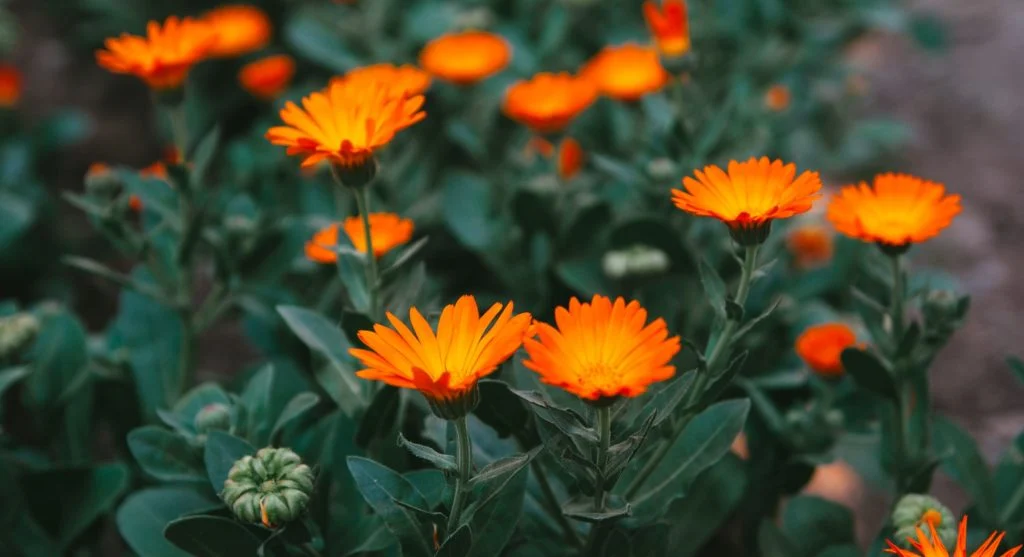
Calendula petals have a mild, slightly tangy flavor and a rich golden-orange color that has been used as a natural food coloring for centuries. This is why calendula is sometimes called “poor man’s saffron.” The plants grow 12 to 24 inches tall, bloom continuously when deadheaded, and handle cool weather better than many other edible flowers.
Calendula performs especially well in spring and fall, when heat-loving flowers such as nasturtiums may struggle. The petals can be scattered over salads, stirred into rice dishes for color, or brewed into a mild herbal tea.
3. Violas and Pansies
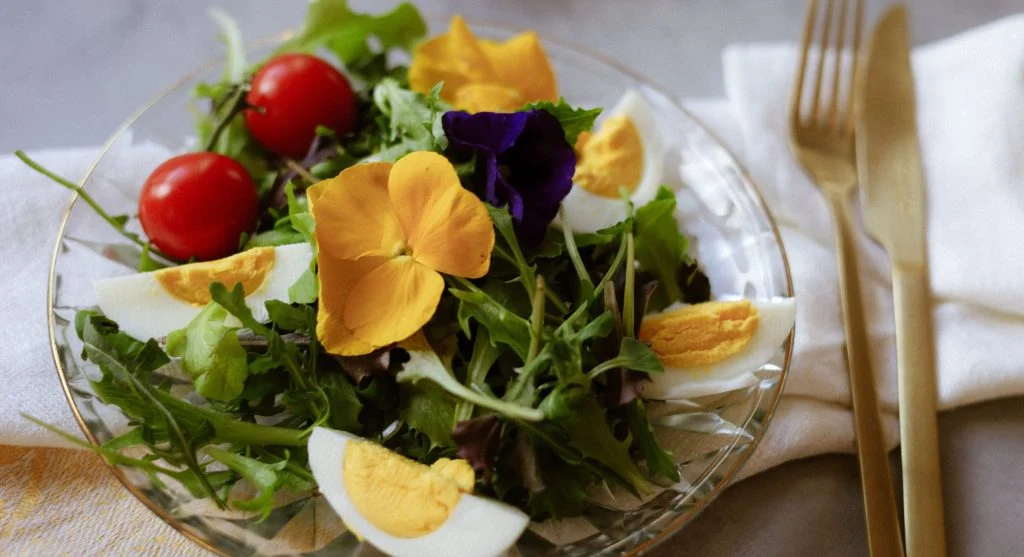
Violas and pansies produce delicate, flat-faced flowers with a mild flavor that is slightly wintergreen-like. Their gentle taste works well in both sweet and savory dishes. These flowers are often crystallized with egg white and sugar for cake decorations, frozen into ice cubes for decorative drinks, or pressed onto soft cheeses as an edible garnish.
Both violas and pansies are cool-season flowers that bloom heavily in spring and fall. This makes them especially useful because they provide edible flowers during the shoulder seasons, when many other edible flower options are not available.
4. Borage
Borage produces small, star-shaped flowers in a bright blue color. The flowers have a distinct cucumber-like flavor, which makes them especially popular in cold drinks. They are often frozen into ice cubes for gin and tonics, summer cocktails, and other refreshing beverages. Borage flowers also look beautiful in salads and cold soups.
In addition to being edible, borage is one of the strongest pollinator attractors in the garden. Honeybees are especially drawn to its flowers, making it a valuable companion plant near crops that need pollination.
5. Chive Blossoms
Chive plants produce purple, globe-shaped flowers in late spring, and those blossoms are fully edible. Their flavor is mildly onion-like, but usually less intense than the leaves. The individual florets can be pulled apart and scattered over salads, baked potatoes, cream soups, and egg dishes.
Chive blossoms can also be infused in white vinegar. The vinegar turns a beautiful pale pink and takes on a mild onion flavor, making it useful for vinaigrettes and marinades.
6. Squash Blossoms
The large golden-orange flowers of zucchini, squash, and pumpkin plants are considered a culinary delicacy. They have a mild, slightly sweet flavor and are large enough to stuff with cheese, batter, and fry. Male flowers, which grow on thin stems without a developing fruit at the base, can be harvested without reducing fruit production.
Squash blossoms should be used within hours of picking because they wilt quickly. They are especially common in Italian and Mexican cooking and have become increasingly popular in American farm-to-table dishes.
7. Lavender
Culinary lavender, especially English lavender, or Lavandula angustifolia, adds a floral, slightly sweet flavor to baked goods, ice cream, lemonade, and savory dishes such as roasted chicken and lamb. Its flavor is strong, so a small amount goes a long way. Only the flower buds should be used, since the stems are woody and unpleasant to eat.
Lavender is perennial in zones 5 through 9. Once established, it can produce harvestable flowers for a decade or longer with very little care.
8. Daylily Petals
Common daylily flowers, from Hemerocallis species, are edible and have a mild, slightly sweet flavor with a texture similar to lettuce. The petals can be added to salads, used as wraps for small appetizers, or battered and fried as tempura-style fritters.
Daylilies are among the most common perennial flowers in American gardens, which means many gardeners may already have an edible flower source growing in their landscape without realizing it. However, only common daylilies, Hemerocallis, should be eaten. True lilies, from Lilium species, are toxic and must not be confused with daylilies despite the similar common name.
Key Takeaway
Eight dependable edible flowers for home gardens include nasturtiums with their peppery bite, calendula for a tangy flavor and golden color, violas and pansies for mild decorative petals, borage for its cucumber-like taste, chive blossoms for a gentle onion flavor, squash blossoms for their mild, stuffable petals, lavender for its strong floral note, and daylily petals for a mild, lettuce-like texture. These flowers are easy to grow, attract pollinators, and offer useful culinary ingredients without adding extra cost beyond the beauty they already bring to the garden. Only flowers that have been grown without pesticides and clearly identified as edible species should be eaten.