
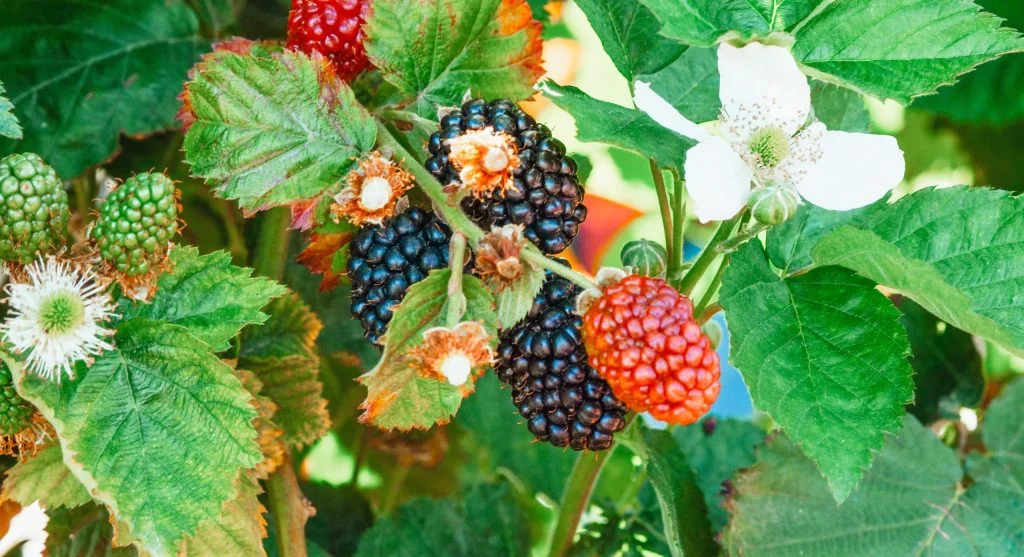
Raspberries are one of the most rewarding fruits a home gardener can grow. Fresh berries are expensive at the grocery store, often costing four to six dollars for a small pint, and because they are highly delicate, they usually spend several days in storage and transport before reaching store shelves. By then, much of their flavor and freshness has already faded.
Home-grown raspberries offer a completely different experience. Picked at peak ripeness and enjoyed the same day, they are sweeter, juicier, and far more flavorful than commercially grown fruit. An established raspberry patch with just 10 to 15 healthy canes can produce between 15 and 25 pounds of berries each season. Even better, a single planting can remain productive for 15 to 20 years, making raspberries one of the best long-term investments for a home garden.
Summer-Bearing or Everbearing: Which Should You Choose?
Raspberry varieties fall into two main categories, and each follows a different fruiting schedule.
**Summer-bearing raspberries**, also known as floricane varieties, produce one large harvest each year. Fruit develops on second-year canes, which grew during the previous season. After those canes finish producing berries in early summer, they naturally die and should be removed.
**Everbearing raspberries**, sometimes called primocane varieties, produce two harvests. They offer a smaller crop on second-year canes during summer, followed by a larger crop on first-year canes from late August through October.
For many home gardeners, everbearing varieties are the easiest choice. They often produce fruit during their first growing season and can be managed with a much simpler pruning routine. Instead of separating old and new canes, gardeners can simply cut every cane back to ground level in late winter and enjoy a reliable fall harvest each year.
Choosing the Right Location
A productive raspberry patch begins with the right growing conditions.
Raspberries thrive in full sun and should receive at least six to eight hours of direct sunlight each day. They also require well-drained soil with a slightly acidic pH between 5.5 and 6.5.
Because raspberries spread naturally by sending up new shoots from their roots, it’s important to choose a location where they have room to grow without invading nearby garden beds.
Many gardeners successfully grow raspberries:
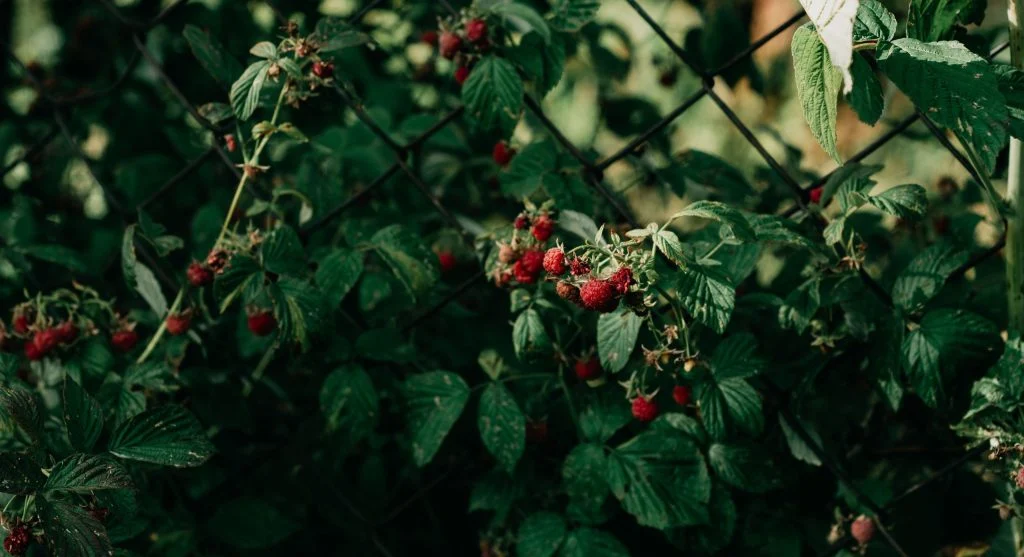
* Along a fence line
* In a dedicated berry bed
* Between mowed pathways
* Inside raised beds fitted with root barriers
Plant bare-root canes, which are commonly available from nurseries in early spring, about two to three feet apart. Spread the roots carefully in a shallow trench before covering them with two to three inches of soil.
Installing a simple trellis with two horizontal wires—one around two feet high and another around four feet—helps support the canes, improves air circulation, and keeps developing fruit off the ground.
Caring for Raspberry Plants Each Year
Once established, raspberries require surprisingly little maintenance.
Pruning is the most important yearly task. For summer-bearing varieties, remove the old brown canes immediately after they finish producing fruit. These second-year canes will not produce again.
At the same time, thin the new green canes so that only four to six healthy canes remain for every linear foot of row. This prevents overcrowding and improves airflow.
Gardeners growing everbearing raspberries using the simplified system can make pruning even easier by cutting every cane to ground level during late winter.
Feed plants each spring with a balanced organic fertilizer as new growth begins. A generous layer of mulch, about three to four inches deep, helps conserve moisture, suppress weeds, and protect the shallow root system throughout the growing season.
Managing Common Pests
Compared to many fruit crops, raspberries experience relatively few pest problems.
The two most common concerns are Japanese beetles and spotted wing drosophila. Fortunately, both can usually be managed successfully using organic gardening methods, especially when plants are kept healthy and harvested regularly.
Providing good airflow through proper pruning and removing overripe fruit promptly can also help reduce potential pest issues.
Key Takeaway
Raspberries are one of the easiest perennial fruits to grow at home, providing 15 to 25 pounds of fresh berries each year for up to two decades from a single planting. Everbearing varieties are especially beginner-friendly because they produce fruit during their first year and can be maintained with simple annual pruning. With full sun, well-drained slightly acidic soil, a basic support trellis, spring feeding, and regular mulch, a raspberry patch requires very little maintenance while delivering abundant harvests for many years. Containing the plants with pathways or root barriers also helps keep their natural spreading habit under control.