
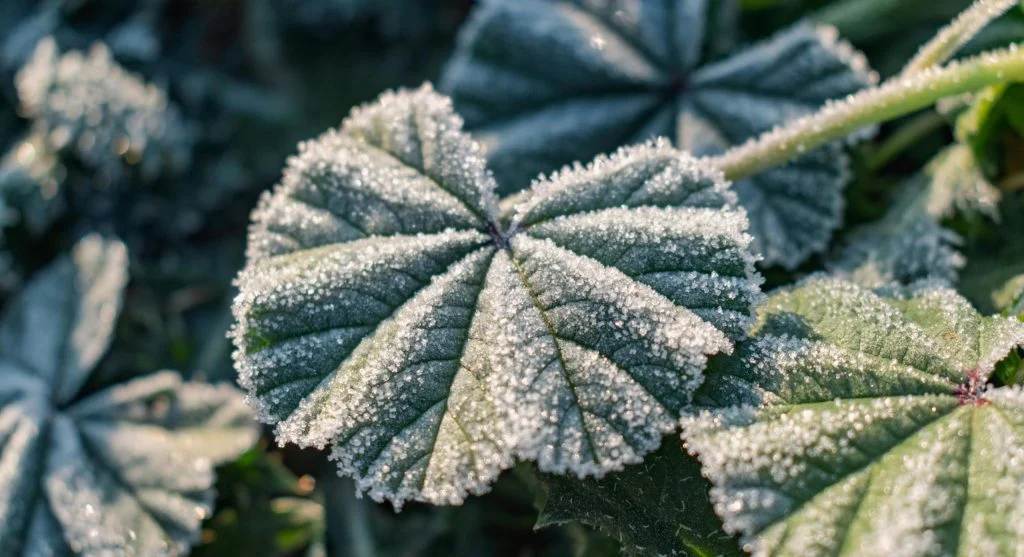
Late spring frosts are some of the most discouraging setbacks in home gardening. Weeks of careful seed starting, hardening off, and transplanting can be wiped out in one night when an unexpected frost settles over a garden filled with tender warm-season crops. The damage can happen quickly and may be severe for frost-sensitive plants such as tomatoes, peppers, basil, squash, and cucumbers. A single night below 32°F can destroy plant tissue that took weeks to grow. However, gardeners who watch the weather closely and prepare a frost protection plan ahead of time can often save the entire garden with just a few hours of work the evening before frost arrives.
Monitor, Don’t Assume
The last frost date listed for any region is only an average. This means that in many years, frost can still happen after the published date. Experienced gardeners continue checking nightly forecast lows throughout the spring transition period, especially during the four weeks after the average last frost date. They are ready to protect plants on any night when temperatures are expected to drop below 36°F at ground level.
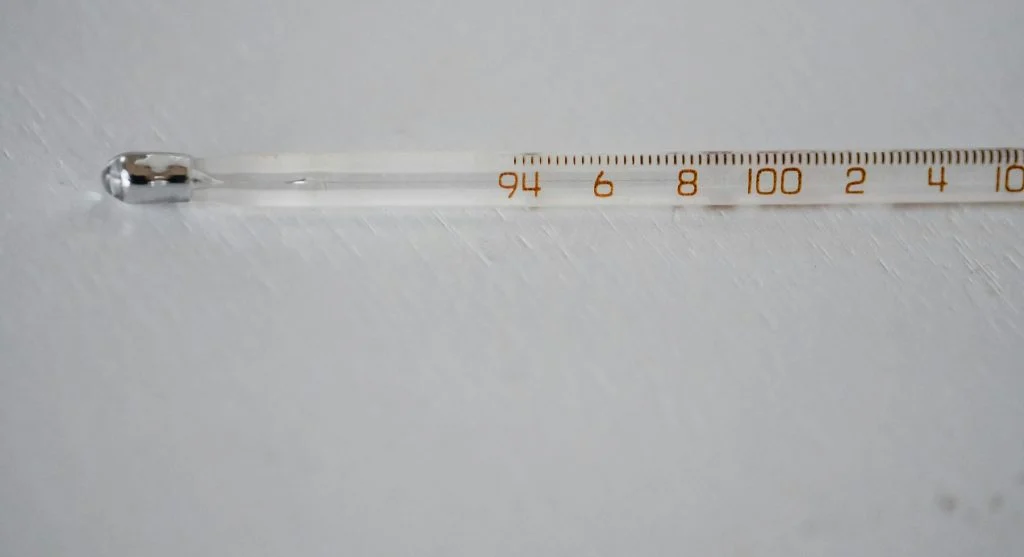
This matters because cold air settles into low areas, making temperatures near garden beds colder than official weather reports may suggest. In many cases, the actual temperature at plant level can be two to four degrees colder than readings from an airport weather station. A garden-level thermometer placed among the beds gives a more accurate reading of the conditions plants are actually experiencing.
Credit: Afshin Esteghlalian / Pexels
Covering: The Primary Defense
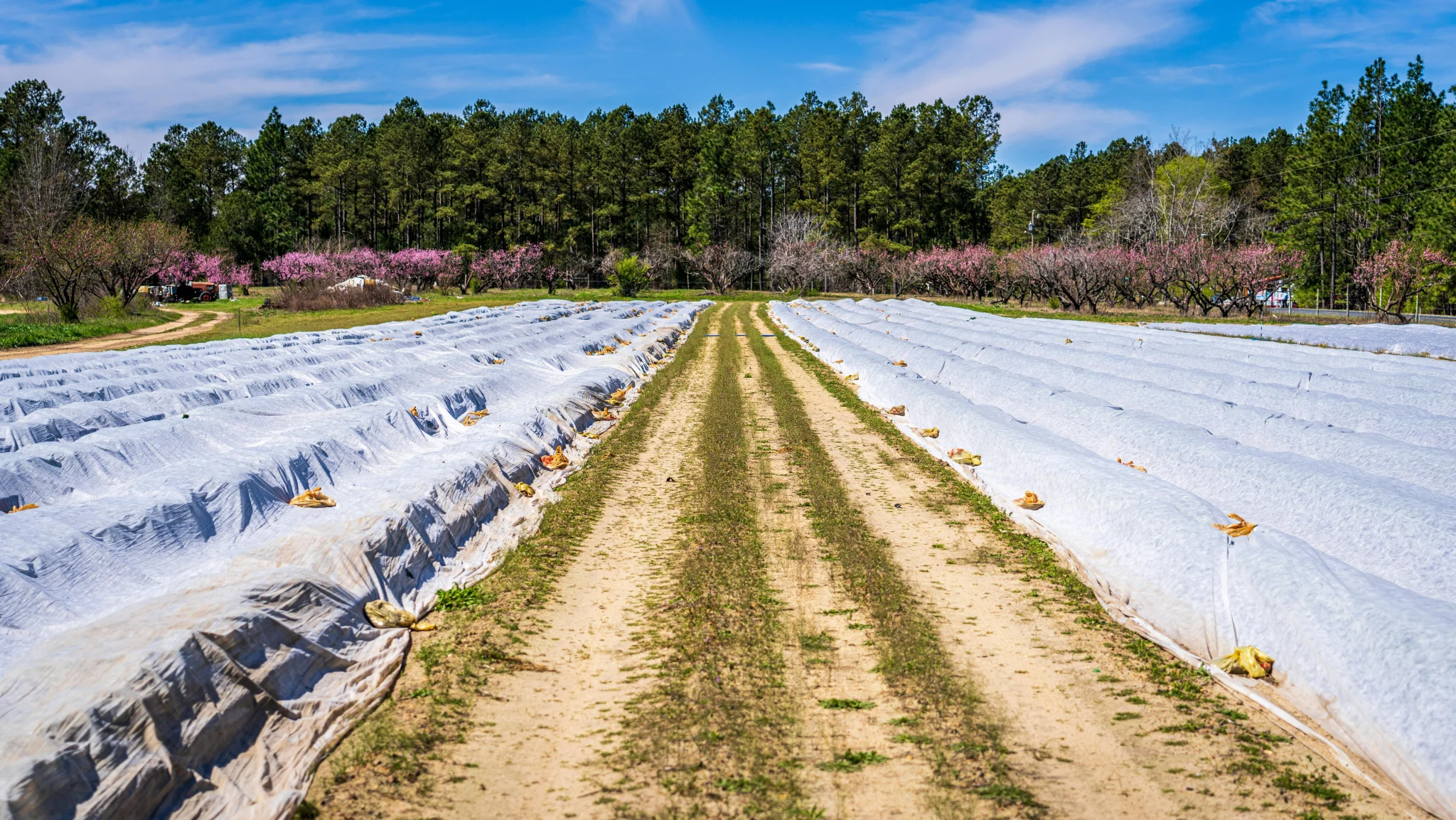
Covering plants with fabric or sheet material is one of the most effective ways to protect them from frost. The cover helps trap radiant heat released by the soil after it has absorbed sunlight during the day. This creates a small protected microclimate around the plants that can be four to eight degrees warmer than the surrounding air.
Good covering materials include commercial frost cloth, also called row cover or garden fabric, old bed sheets, lightweight blankets, and even newspaper secured at the edges. The cover should reach the ground on all sides and be held in place with rocks, soil, or landscape staples so cold air cannot slip underneath.
Plastic sheeting, such as tarps or garbage bags, should only be used as a last resort. It should never touch plant foliage because plastic conducts cold directly into any tissue it contacts. This can cause frost damage even if the air under the plastic stays above freezing.
Water the Soil Before Frost
Wet soil absorbs and holds more heat during the day than dry soil, then releases that heat more slowly at night. Watering the garden thoroughly in the late afternoon before an expected overnight frost can raise the ground-level temperature by one to three degrees through the night. That may sound small, but it can be a critical difference when the forecast low is between 30°F and 33°F.
This thermal mass effect works on the same basic principle used by commercial orchardists who run sprinklers during frost events. As water freezes on the surface, it releases heat energy, helping buffer temperatures around the plants.
Emergency Measures for Container Plants
Container plants are more vulnerable to frost than plants growing in the ground because their roots are exposed to cold air from every side instead of being insulated by surrounding soil. Moving container plants indoors is the simplest and most effective protection. A garage, shed, or entryway can often provide enough shelter for the night.
If containers are too large or heavy to move, place them close together against a south-facing wall, which can release stored heat at night. Then cover the group with frost cloth to protect them from most late-spring frosts.
Wrapping the sides of individual containers with bubble wrap or burlap can also add insulation. This helps moderate temperature swings around the root zone and gives the plants a better chance of surviving the cold.
Credit: Jessica Lewis 🦋 thepaintedsquare / Pexels
Key Takeaway
Late frost protection requires three actions: monitoring nightly forecasts throughout the four weeks following the average last frost date, covering plants with fabric (not plastic touching foliage) that extends to the ground on all sides, and watering the soil in late afternoon to increase thermal mass. Container plants should be moved indoors or clustered against south-facing walls under covers. These measures protect against frosts down to approximately 26°F to 28°F and take only an hour or two to implement on the evening before frost threatens.