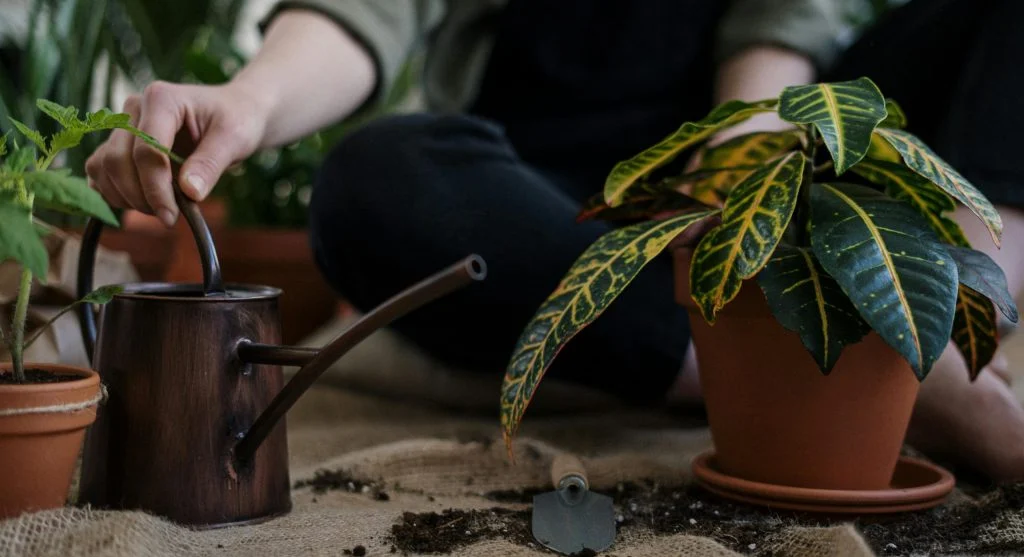

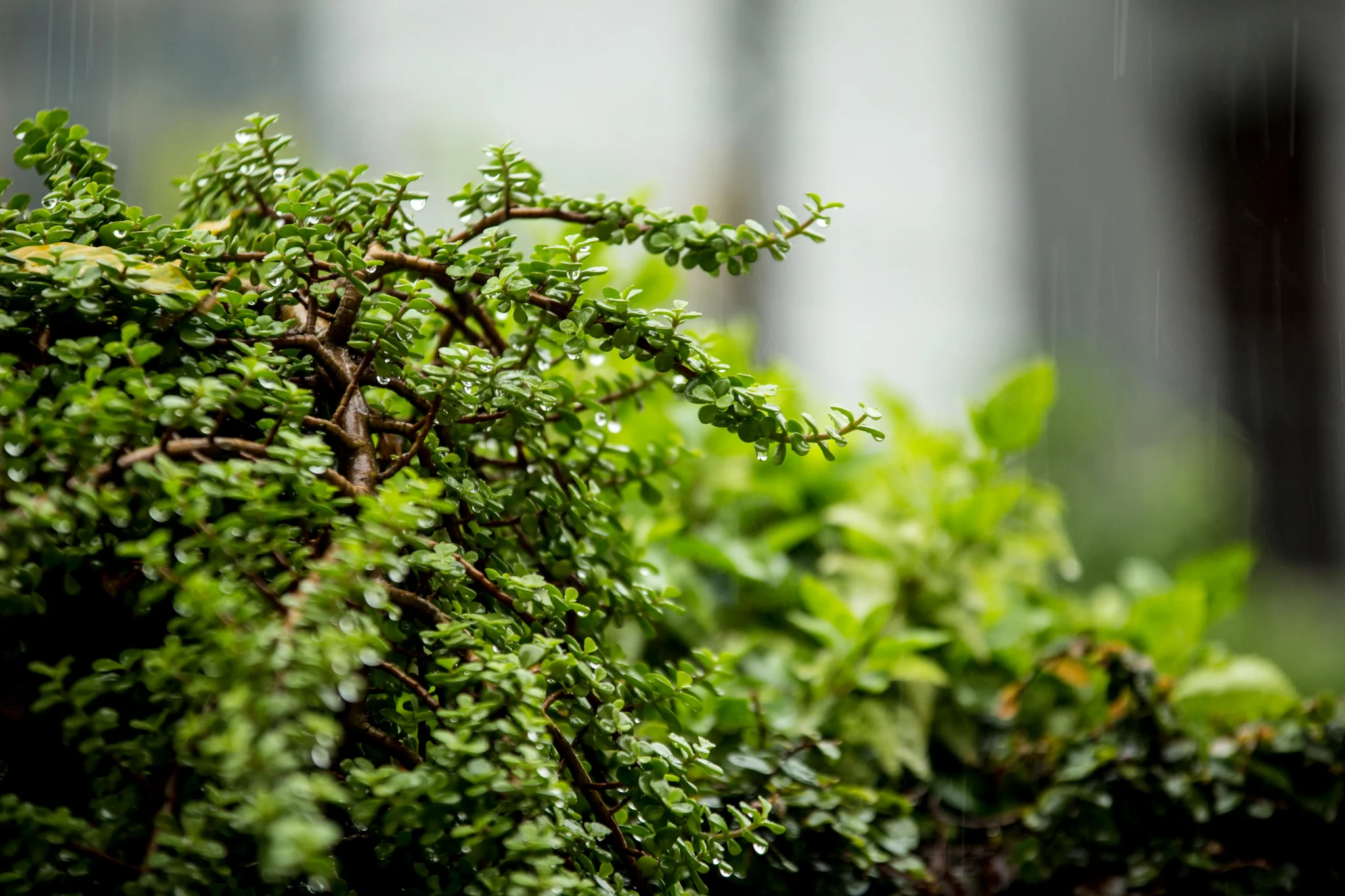
A week of rain can send most gardeners indoors and bring outdoor garden work to a stop. But experienced growers know that rainy periods do not have to be wasted. They can be a good chance to handle tasks that often get pushed aside during dry weather, when planting, weeding, watering, and harvesting usually take priority. Some of the most useful garden management jobs are actually better suited to rainy days than sunny ones, and a few are easiest to do when conditions are wet.
1: Plan Succession Plantings and Fall Crops
Rainy days are ideal for garden planning. This is a good time to map out which crops will replace finished spring plantings, calculate the last sowing dates for fall vegetables, and review the seed inventory. Planning during downtime means that when the sun returns, the gardener can move straight into planting instead of spending the first dry day deciding what to plant and where it should go.
Sketching bed layouts, ordering seeds for fall planting, and updating the garden journal with current season observations are all productive indoor tasks. These small planning steps can make the next stretch of dry weather much more efficient.
2: Sharpen and Maintain Tools
Garden tools lose their edge slowly during regular use, and many gardeners do not sharpen them until they become noticeably harder to use. A rainy afternoon is a practical time to sharpen pruner blades, hone the edges of hoes and shovels, oil wooden handles to help prevent cracking, tighten loose screws and bolts, and clean dried soil from metal surfaces before applying a light coat of oil to reduce rust.
Well-maintained tools cut more cleanly, which helps reduce damage to plant tissue. They also require less effort to use and can last for many more years than tools that are neglected.

3: Start Seeds Indoors
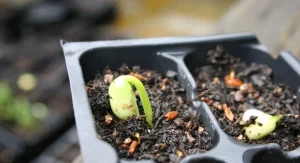
Indoor seed starting is not affected by outdoor weather, so it can be done on almost any day. A rainy spell is a useful time to start succession plantings of lettuce, herbs, and fall brassicas in trays under grow lights. By the time the weather improves and outdoor conditions are workable again, those seedlings may be ready for transplanting.
Rainy periods during midsummer are especially useful for starting broccoli, cabbage, and kale transplants that are meant for the fall garden.
4: Check for and Address Drainage Problems
Heavy rain reveals drainage problems that are often impossible to see during dry weather. Walking through the garden during a downpour, or immediately after one, shows exactly where water collects, which beds drain too slowly, and where runoff channels are starting to form.
Noting these problem areas during the rain event helps the gardener plan corrective drainage work for the next dry period. This may include regrading, adding French drains, raising bed levels, or redirecting downspout water. These observations are very difficult to make when the garden is dry.
5: Transplant on the Last Day of Rain
The final day of a rainy period, when the sky is still overcast but the rain is tapering off, is one of the best times to transplant. The soil is already thoroughly moist, which removes the need for heavy pre-planting irrigation. The cloudy sky also helps reduce transplant shock from sudden sun exposure.
The remaining soil moisture can support the transplant through the first critical days while its roots begin making contact with the new soil. If transplants have already been hardened off and are waiting to be planted, using the last day of rain often leads to better establishment than waiting for a fully sunny day.
6: Pull Weeds in Wet Soil
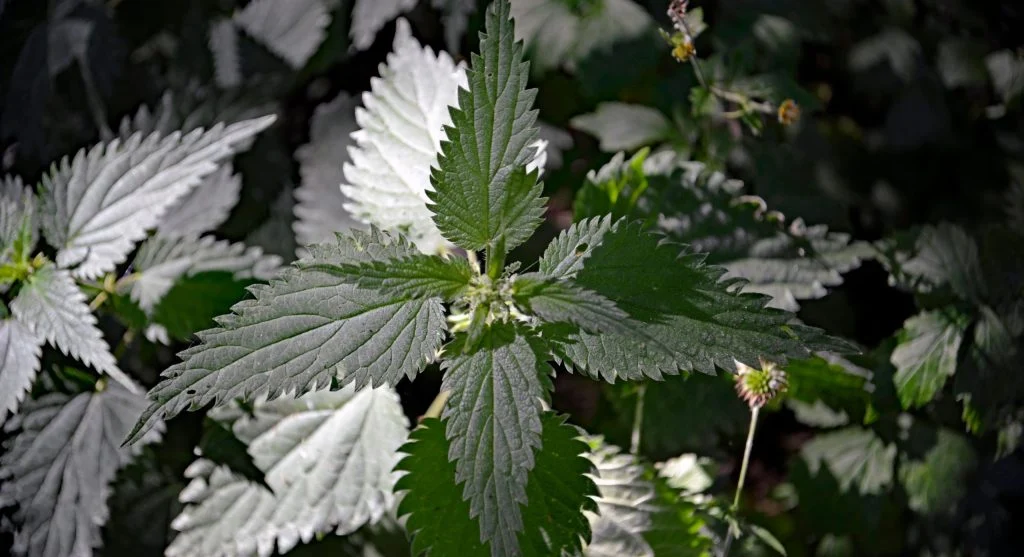
Weeds come out of wet soil much more easily than dry soil. Their roots slide free with less effort instead of breaking off underground and regrowing. A short weeding session during a break in the rain, or right after the rain stops, can remove weeds more efficiently and completely than the same effort on a dry day.
Pulling weeds when the soil is saturated is especially helpful for tap-rooted weeds, such as dandelions and dock, which are often difficult to remove in dry conditions.
7: Research and Order Supplies
Rainy days create time for research and planning that active gardening often pushes aside. Comparing seed varieties for next season, reading extension bulletins on pest management, researching disease-resistant cultivars, pricing bulk compost and mulch for fall delivery, and updating the garden’s digital records or journal are all productive indoor tasks.
These activities can improve garden productivity without requiring outdoor access. Many gardeners find that some of their most important improvements come from research done during rainy weather rather than from techniques learned only during active growing.

Key Takeaway
Rainy weeks are opportunities, not obstacles. Planning succession plantings, maintaining tools, starting seeds indoors, observing drainage problems, transplanting on the last overcast day, pulling weeds from wet soil, and conducting research all advance garden productivity without requiring sunny weather. Gardeners who use rainy periods productively enter the next dry stretch with sharper tools, established transplants, a clear planting plan, and documented observations that improve long-term garden management.