
Credit: Greta Hoffman /Pexels
How Organic Matter Transforms Clay
Organic matter improves clay soil through biological processes rather than simple physical mixing. As compost and other organic materials break down in clay soil, they feed bacteria, fungi, earthworms, and other soil organisms. These organisms produce sticky substances, including glomalin, polysaccharides, and other natural biological glues, that bind individual clay particles together into larger aggregates.
These aggregates create pore spaces in the soil, allowing water to drain and air to move through more easily. Those are two conditions clay soil naturally lacks. The process is gradual. Noticeable improvement often appears within one growing season after a heavy organic matter addition, but a true transformation of clay structure usually takes three to five years of steady annual applications.
The Amendment Protocol for Clay Soil
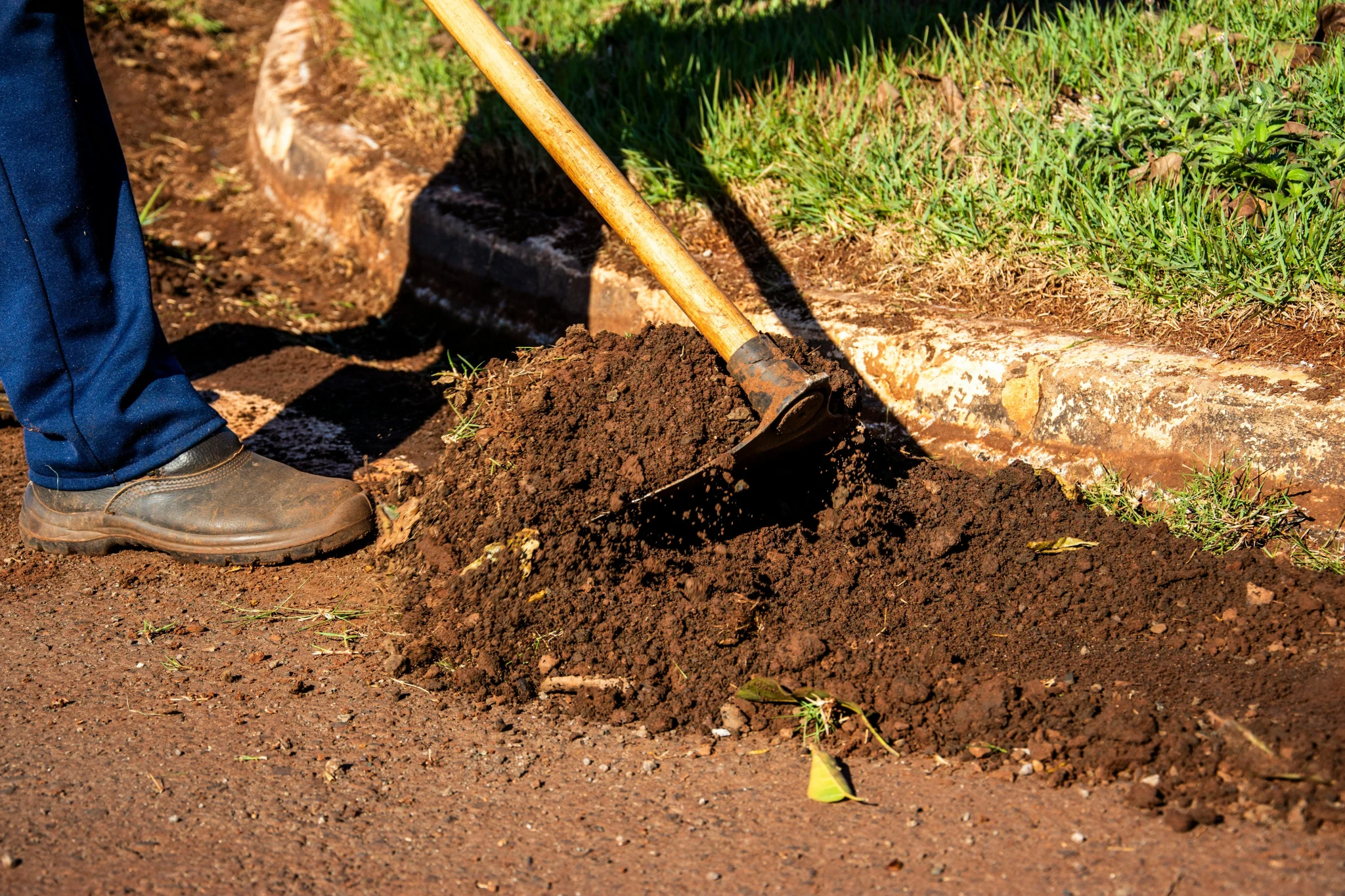
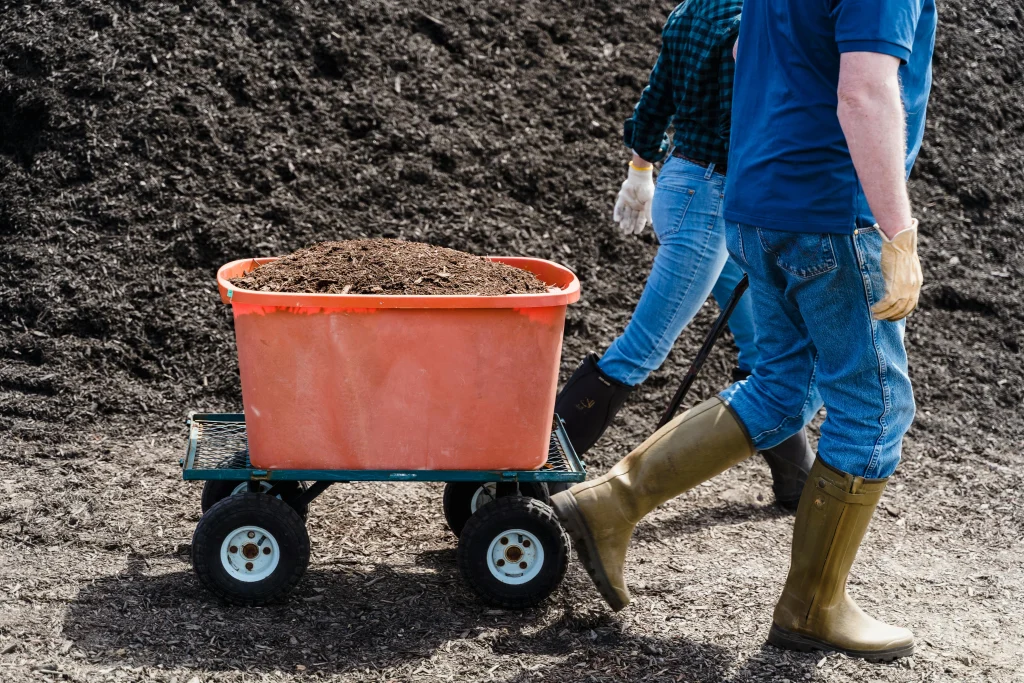
For new garden beds in heavy clay, the first amendment should be generous. Spread four to six inches of finished compost over the soil surface and work it into the top 8 to 12 inches with a garden fork. Avoid using a rototiller, since it can create a hardpan layer at the tilling depth in clay soils.
In the following years, add two to three inches of compost each spring and work it into the surface. Applying shredded leaves in fall can provide extra organic matter at no cost. Spread them four to six inches deep over the bed and leave them to decompose through winter. This feeds soil organisms throughout the dormant season.
Growing cover crops during the off-season can also speed up clay improvement. Their roots physically penetrate the clay, and when the plants decompose, they add organic matter deeper in the soil.
Working Clay Soil: Timing Matters
Clay soil should never be worked, dug, tilled, or walked on when it is wet. Wet clay compacts under pressure and can destroy the aggregate structure that months of organic matter additions have helped build.
The right time to work clay soil is when it has dried enough to crumble when squeezed in the hand, but is still slightly moist. It should not be so dry that it has baked into hard clods. Establishing permanent garden paths can also help protect growing areas from repeated foot traffic and compaction. beds with dedicated pathways that are never walked on protect the soil structure within the growing area from foot-traffic compaction.
Credit: Juan J. Morales-Trejo /Pexels
Key Takeaway
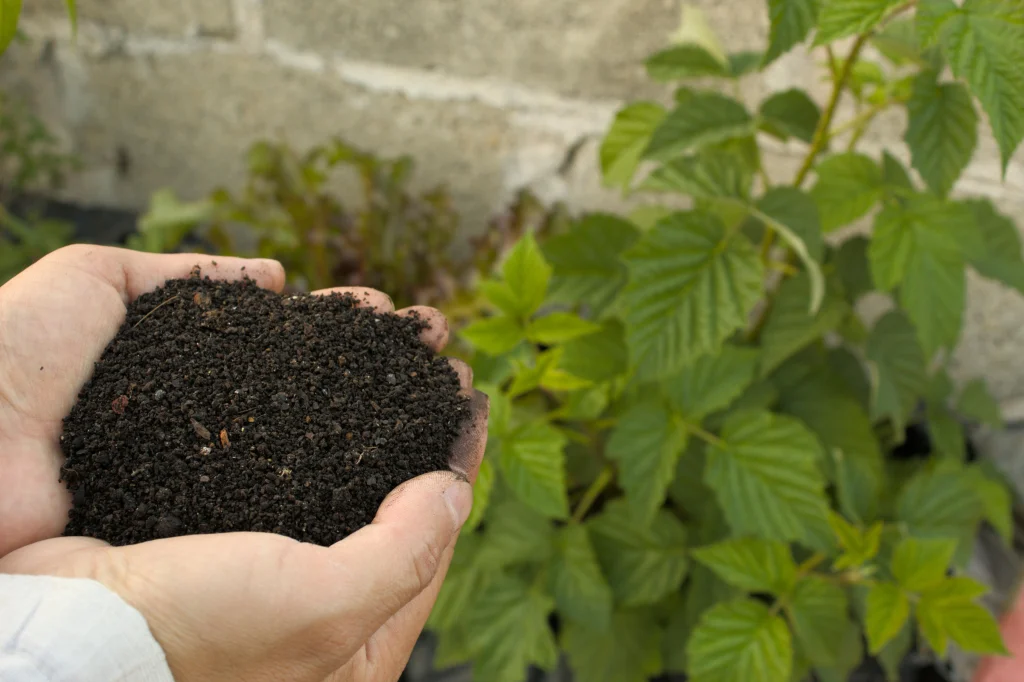
Clay soil is improved by adding organic matter (compost, leaf mold, aged manure) never sand, which creates a concrete-like mixture. An initial application of 4-6 inches of compost worked into the top 12 inches, followed by annual additions of 2-3 inches, feeds the soil organisms that create the aggregate structure clay needs for drainage and aeration. Three to five years of consistent organic matter addition transforms heavy clay into productive, well-draining garden soil. Never work clay when wet, and establish permanent beds with dedicated pathways to prevent compaction.