
Seed soaking placing seeds in water for several hours before planting is one of the oldest and simplest pre-planting methods used in gardening and agriculture. It can speed up germination, improve germination rates, and give seedlings a noticeable head start compared with seeds planted dry. However, not every seed benefits from soaking. In some cases, soaking for too long or using the wrong method can damage or even kill the seed instead of helping it. Knowing which seeds to soak, how long to soak them, and why the method works helps gardeners use the technique safely and effectively.
How Soaking Speeds Germination
Germination begins when a seed takes in enough water to activate the enzymes that turn stored starches into sugars. These sugars fuel the early growth of the embryo inside the seed. Seeds with thick or hard outer coats often absorb water slowly in soil, sometimes taking several days before they reach the moisture level needed to begin germinating.
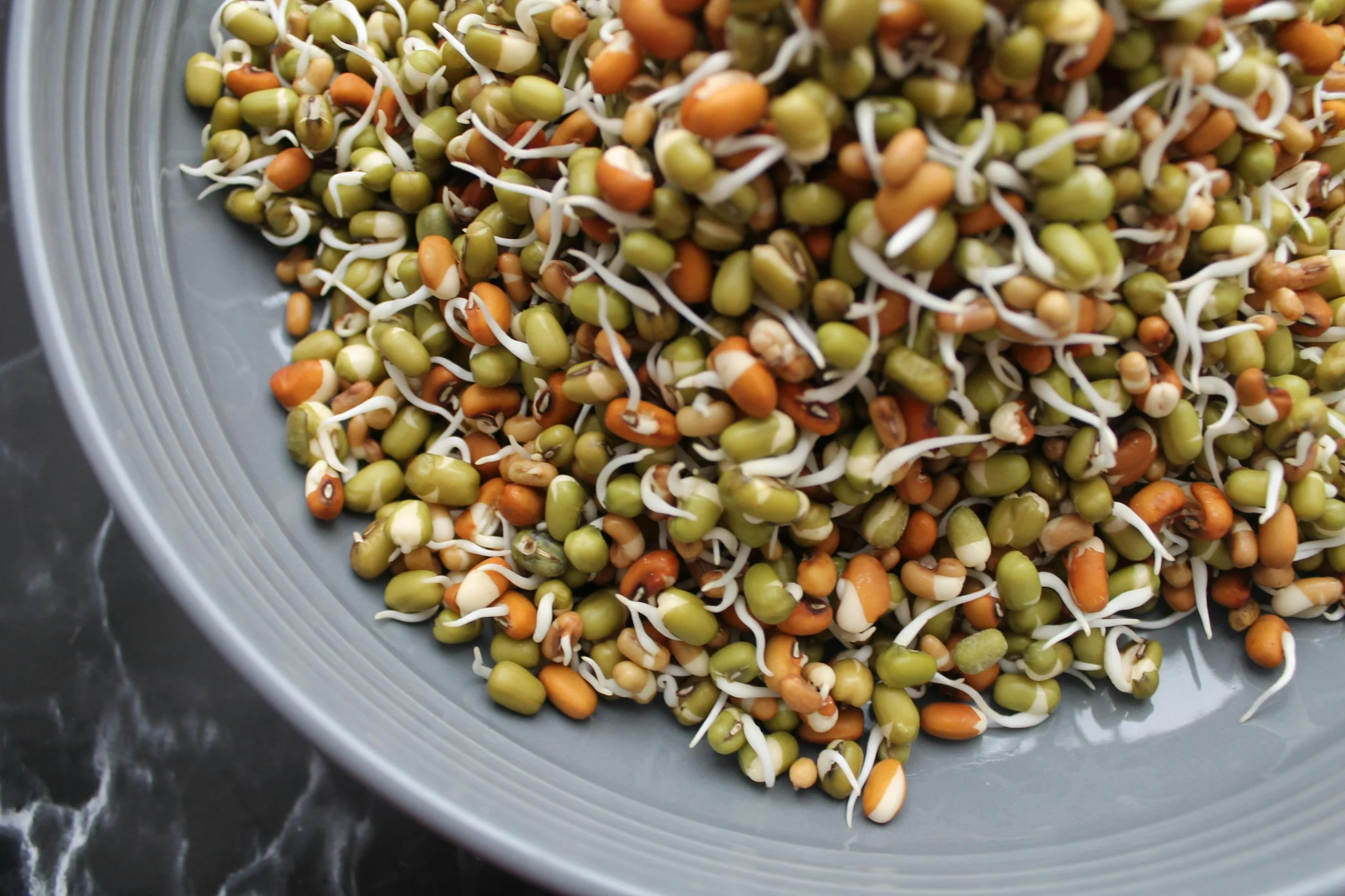
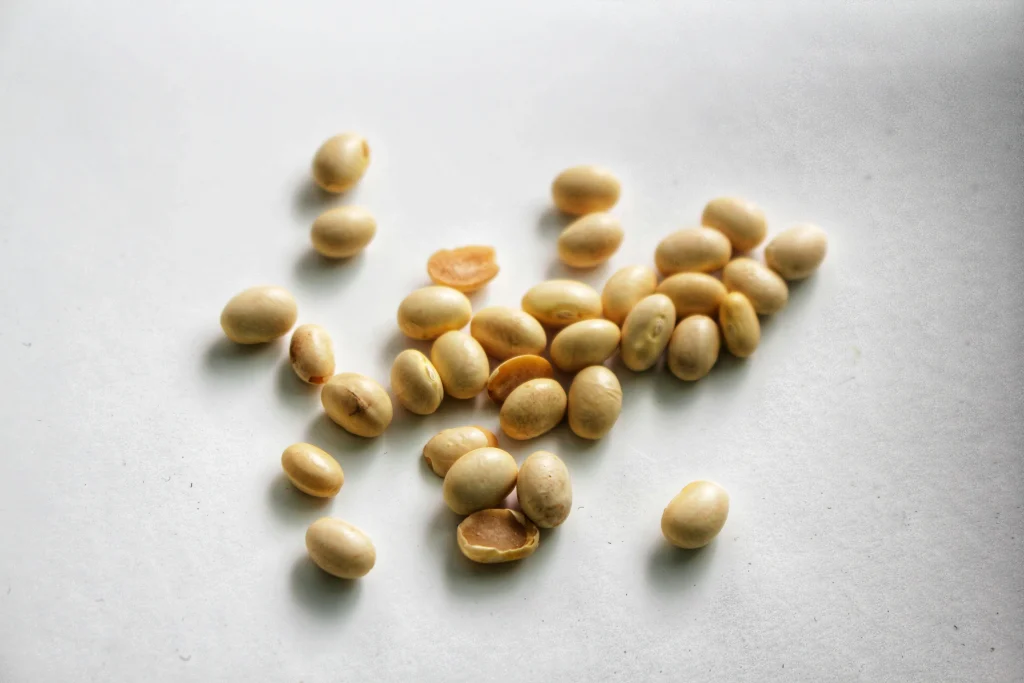
Soaking helps skip that slow absorption stage. When seeds are placed directly in water, they can become fully hydrated in hours instead of days. Once planted, the soaked seed is already ready to begin the germination process. As a result, it may emerge two to five days earlier than an unsoaked seed of the same variety planted at the same time.
Credit: MOROCCAN PHOTOGRAPHER /Pexels
Which Seeds Benefit From Soaking
Large seeds with thick or hard seed coats usually benefit the most from soaking before planting. Beans, peas, corn, squash, pumpkins, cucumbers, melons, sunflowers, and nasturtiums often germinate faster and more evenly when soaked for 8 to 12 hours, or overnight, before planting.
Beet seeds can also benefit from soaking. What gardeners call a beet seed is actually a cluster of embryos surrounded by a corky outer shell, which can be slow to absorb moisture on its own. Morning glory and moonflower seeds have very hard coats and may need a longer soak of about 24 hours, along with light nicking or scarification, to help water enter the seed.
Which Seeds Should Not Be Soaked
Small seeds such as lettuce, carrots, basil, and many flower seeds should not be soaked. They are difficult to handle when wet because they clump together and stick to surfaces. They also absorb water quickly through their thin seed coats without extra help and can be damaged by swelling during long contact with water.
Seeds that need light to germinate, including lettuce, celery, and many herbs, also do not gain much from soaking. These seeds are usually sown on the soil surface rather than buried, and surface moisture is enough to hydrate their thin coats. Pelleted seeds should never be soaked because their clay or polymer coating dissolves in water, removing the very feature that makes them easier to handle.
The Right Way to Soak
Place the seeds in a bowl or jar and cover them with room-temperature water. Avoid hot water, as it can harm the embryo inside the seed. For most seeds that benefit from soaking, 8 to 12 hours is enough, and overnight soaking is the standard recommendation.
Seeds should not be left soaking for more than 24 hours. When seeds stay submerged too long, they may not get enough oxygen for cellular respiration. These low-oxygen conditions can damage or kill the embryo.
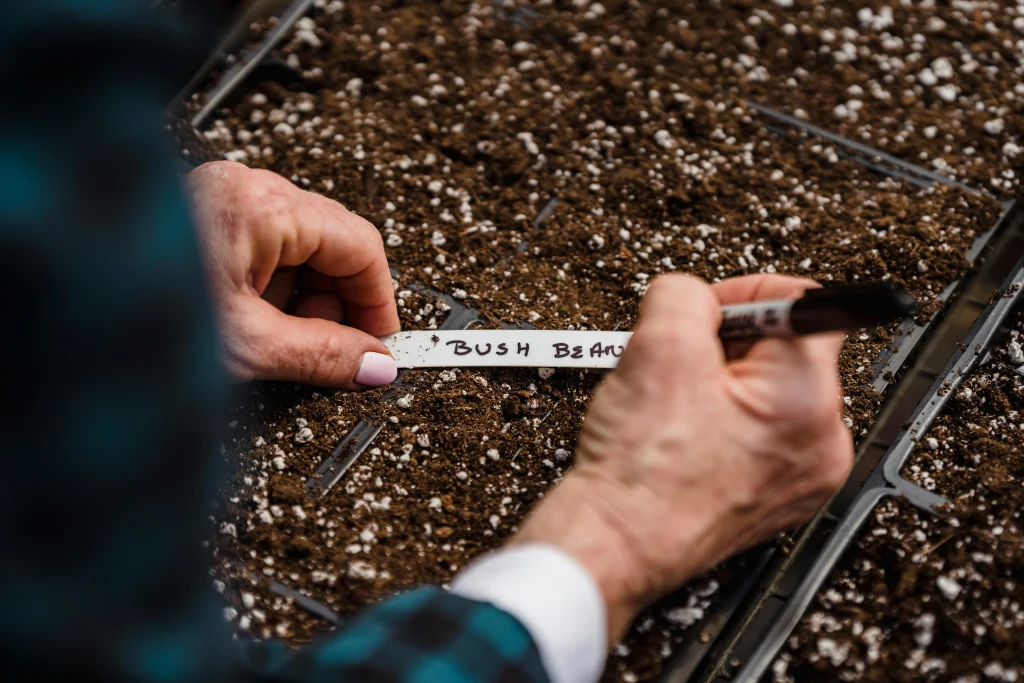
After soaking, drain the seeds and plant them immediately into moist soil. Do not let soaked seeds dry out before planting. Once the seed tissue has been activated by water, rapid drying can be more harmful than not soaking at all. The goal is to move seeds directly from the soaking water into the planting medium without any dry waiting period in between.
Credit: Greta Hoffman /Pexels
Key Takeaway
Pre-soaking large, thick-coated seeds such as beans, peas, corn, squash, and sunflowers for 8 to 12 hours in room-temperature water can speed germination by 2 to 5 days and help seedlings emerge more evenly. Small seeds, pelleted seeds, and seeds that require light for germination should not be soaked.
Soaking for longer than 24 hours can lead to oxygen deprivation and seed death. Once seeds are soaked, they should be planted immediately into moist soil and never allowed to dry out first. When used with the right seed types, this simple and free technique can be a reliable way to improve germination.