
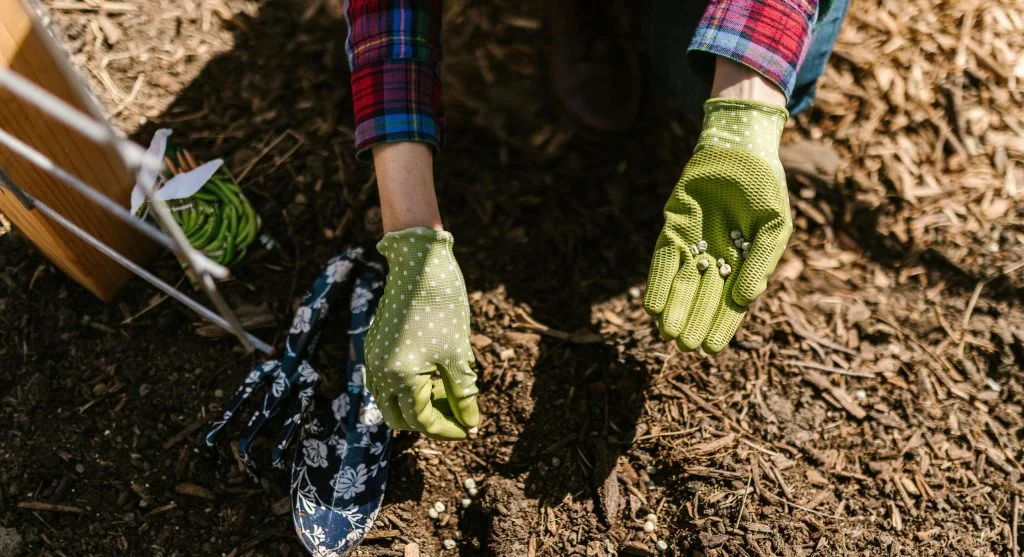
Onions are one of the most common kitchen staples, but growing them at home can be confusing because they can be started in three very different ways: from sets, from transplants, or from seed. Each method has its own strengths, drawbacks, and best uses. The right choice depends on what type of onion the gardener wants to harvest, how much patience they have, and how important variety selection is. Understanding these three starting methods helps remove the guesswork that often leads first-time onion growers to disappointing results.
Onion Sets: The Fastest but Most Limited Option
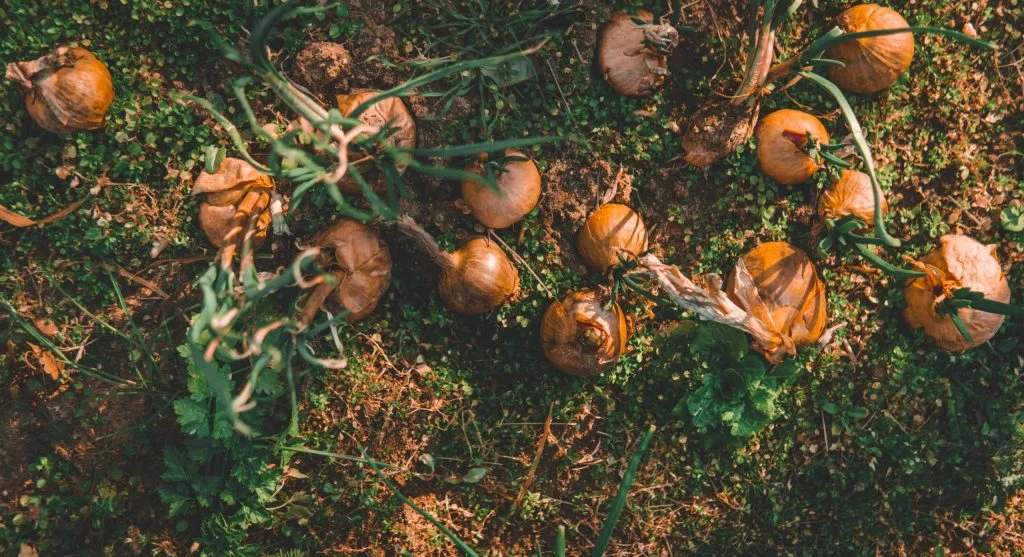
Onion sets are small, dormant onion bulbs usually sold in mesh bags at garden centers in spring. They are the easiest and most convenient way to start onions. Sets are inexpensive, easy to find, require no indoor growing, and can produce harvestable green onions within three to four weeks after planting.
For full-sized bulbs, onion sets usually mature about two to three weeks earlier than transplants and four to six weeks earlier than onions grown from seed. Their main drawback is limited variety selection. Most retailers only sell two or three basic types, usually yellow, white, and red. These are rarely the premium storage onions or sweet onion varieties that serious onion growers prefer.
Onion sets are also more likely to bolt, meaning they send up a flower stalk instead of forming a bulb. This is especially true when the sets are larger than a dime in diameter at planting time.
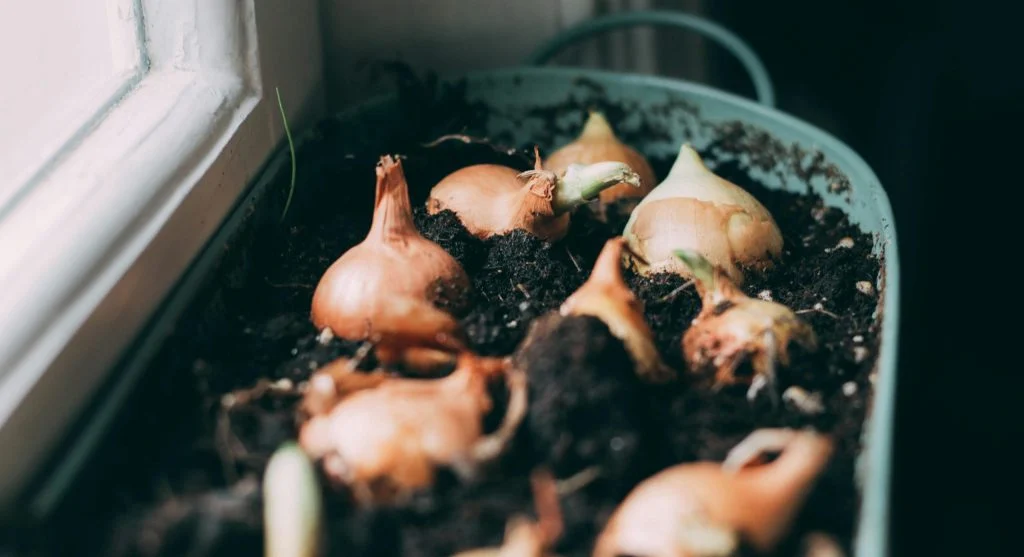
Onion Transplants: The Best Balance of Convenience and Quality
Onion transplants are young seedlings, usually about the thickness of a pencil, sold in bundles of 50 to 100. They offer a strong balance between convenience, quality, and variety selection. Compared with sets, transplants give gardeners access to better named varieties and are less likely to bolt.
Transplants are available from specialty growers and many garden centers in early spring. They often include varieties such as Walla Walla Sweet, Vidalia-type, Ailsa Craig, and Copra, which are not normally sold as sets. After planting, they establish quickly and produce full-sized bulbs in about 90 to 115 days, depending on the variety and day length. For most home gardeners, onion transplants offer the best mix of ease, variety, and reliable results.
Growing From Seed: Maximum Variety, Maximum Patience
Growing onions from seed gives gardeners access to hundreds of varieties, far more than are available as sets or transplants. It is also the most economical method. One packet of onion seed, usually costing only three to four dollars, can produce more onions than most families need.
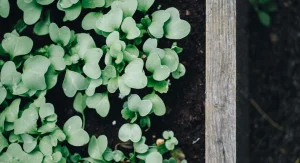
The trade-off is time and attention. Onion seeds must be started indoors 10 to 12 weeks before the planned outdoor planting date, making them one of the earliest crops gardeners start under lights each year. Onion seedlings grow slowly and are thin and somewhat sensitive to moisture and light during the indoor stage. For gardeners willing to put in the extra time, seed-grown onions can produce the largest bulbs, the widest variety selection, and the lowest bolting rates of any starting method.
The Day-Length Factor Every Onion Grower Must Know
No matter which starting method is used, onion success depends on choosing varieties suited to the gardener’s latitude. Onions form bulbs in response to day length, not temperature or the calendar date.
Short-day onion varieties are best for the southern United States, roughly south of the 36th parallel, and begin forming bulbs when days reach 10 to 12 hours long. Long-day varieties are suited for northern states and Canada and need 14 to 16 hours of daylight to start bulbing. Intermediate-day varieties work best in the middle latitudes.
Planting a long-day onion in the South, or a short-day onion in the North, often results in undersized bulbs or no bulbs at all. That failure has nothing to do with the starting method or growing technique; it comes from choosing the wrong day-length type.