
1. Watering on a Fixed Schedule Instead of Checking Soil Moisture
The single most damaging watering habit is following a rigid schedule — “water every other day” or “water three times a week” — regardless of actual soil conditions. Water needs change constantly based on temperature, humidity, wind, rainfall, plant size, and growth stage. A schedule that provides adequate water during a cool, overcast week delivers far too much during a hot, windy week and far too little during a heat wave. Checking soil moisture by inserting a finger two inches into the soil before every watering session — and watering only when the soil is dry at that depth — adapts automatically to changing conditions and prevents both overwatering and underwatering with remarkable reliability
2. Shallow, Frequent Watering Instead of Deep, Infrequent Soaking
A daily light sprinkling that wets only the top inch of soil encourages roots to concentrate near the surface where they are vulnerable to heat, drought, and physical disturbance. Deep watering — applying enough water to moisten the soil to a depth of six to eight inches — encourages roots to grow downward, creating a deeper, more extensive root system that accesses moisture during dry periods and anchors the plant more securely. Most garden soils need approximately one inch of water per week (applied in one or two deep sessions) to maintain moisture at the six-to-eight-inch depth where most vegetable roots actively feed.
3. Watering Leaves Instead of Soil
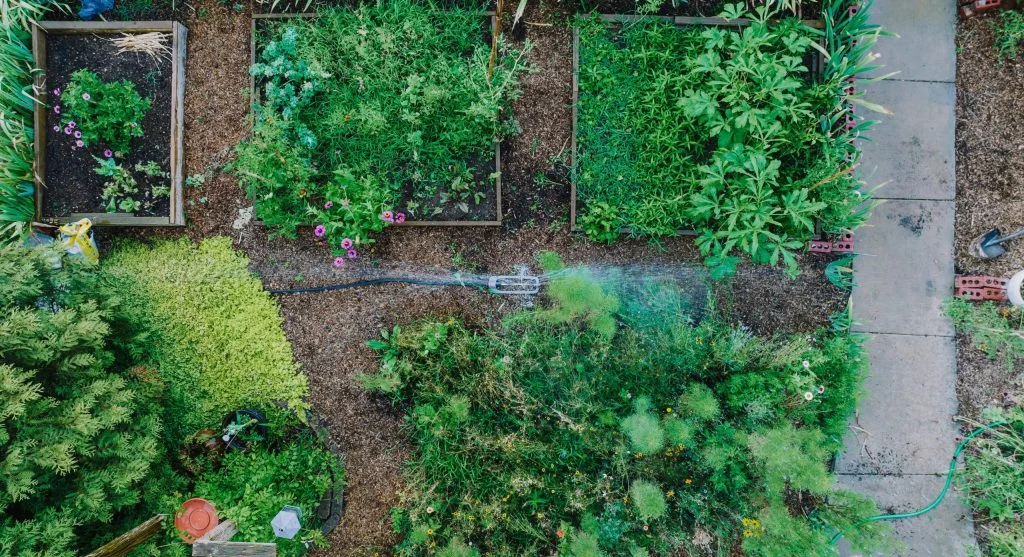
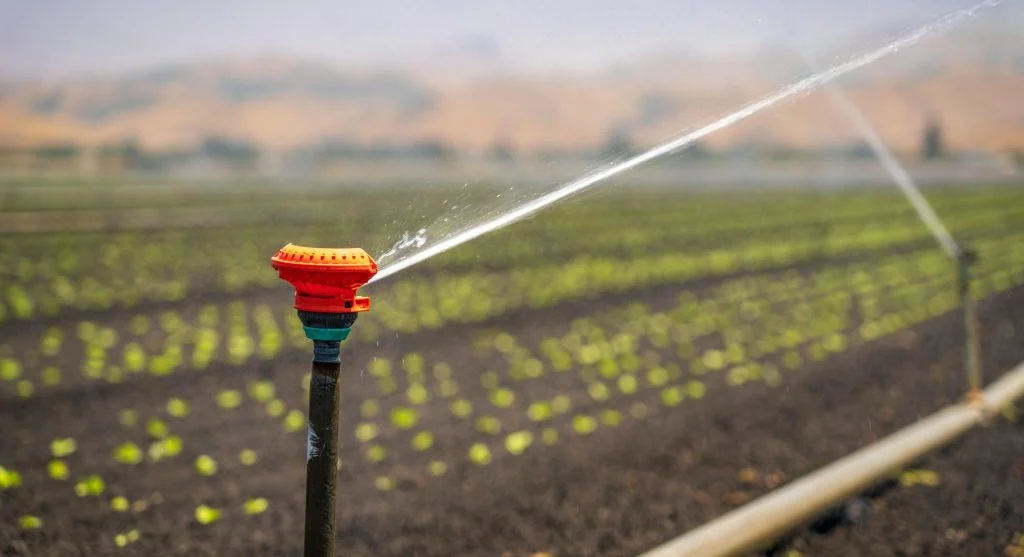
Overhead watering — sprinklers, spray nozzles, and careless hose use that drenches the entire plant — wets the foliage without efficiently reaching the root zone. Wet leaves create the ideal conditions for fungal diseases, including early blight, late blight, powdery mildew, and leaf spot. The water that lands on leaves largely evaporates rather than reaching the soil where roots can absorb it, meaning that overhead watering wastes a significant percentage of the water applied. Drip irrigation, soaker hoses, and careful hand watering directed at the base of each plant deliver water exactly where it is needed — the root zone — while keeping foliage dry.
4. Watering at the Wrong Time of Day
Evening watering leaves soil and foliage wet through the cool nighttime hours, creating extended periods of moisture on leaf surfaces that favor fungal infection. Morning watering is consistently recommended by plant pathologists because it allows any incidental moisture on the foliage to evaporate during the warmth of the day, and because plants transpire most actively during daylight hours when the water is most needed. Early morning (before 10 AM) is the ideal watering window for both disease prevention and efficient water use.
5. Ignoring Mulch as a Watering Tool
Bare soil loses moisture rapidly through evaporation — up to 50 percent of applied water can evaporate before roots have a chance to absorb it in hot, windy conditions. A three-to-four-inch layer of organic mulch (straw, shredded leaves, or wood chips) reduces evaporation by 25 to 50 percent, keeps soil temperatures stable, and maintains consistent moisture between waterings. Gardeners who struggle with watering frequency and timing often find that adding adequate mulch solves the problem by extending the interval between necessary waterings and buffering the effects of missed or imperfect watering sessions
Key Takeaway
The five most damaging watering habits — fixed schedules, shallow daily sprinkling, overhead watering, evening watering, and bare soil — are all easily correctable. Checking soil moisture before watering, applying deep soakings one to two times per week, directing water to the base of plants, watering in the morning, and maintaining three to four inches of mulch addresses every common watering problem simultaneously. These adjustments reduce disease, build stronger root systems, conserve water, and produce measurably healthier plants.