
Compost tea — a liquid extract made from finished compost has become one of the most popular organic ways for home gardeners to feed plants. The idea is simple: when finished compost is steeped in water, soluble nutrients and beneficial microorganisms move into the liquid. That liquid can then be poured around plant roots as a soil drench or sprayed onto leaves as a foliar feed.
Supporters of compost tea often credit it with improving plant health, reducing disease pressure, and increasing soil microbial activity. When prepared properly, the practice does have real value. But when it is made incorrectly, it can also create problems, and in some cases the excitement around compost tea has moved faster than the science supporting it.
How to Brew Basic Compost Tea
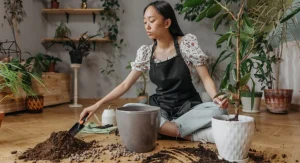
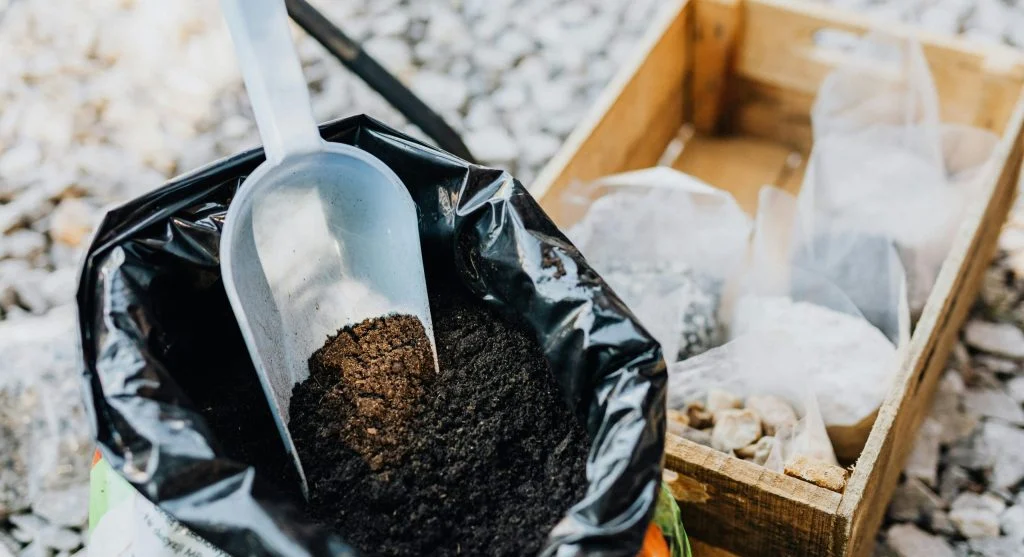
The easiest method is passive, or non-aerated, compost tea. To make it, place one to two shovelfuls of finished compost into a burlap sack, cheesecloth bag, or old pillowcase. Suspend the bag in a five-gallon bucket of water, preferably non-chlorinated water, since chlorine can harm the beneficial microorganisms you are trying to extract.
Let the compost steep for 24 to 48 hours, stirring the mixture occasionally to help speed up extraction. After steeping, remove the bag. The remaining liquid should look like weak tea and should be used in the garden within four to six hours of brewing.
If compost tea sits for more than 24 hours after the compost has been removed, it can begin developing anaerobic bacteria that may be harmful to plants. At that point, it is better to discard it than apply it to the garden.
Credit: www.kaboompics.com / Pexels
Aerated vs. Non-Aerated: Does It Matter?
Aerated compost tea, often called ACT, is brewed with an aquarium air pump or a similar device that continuously bubbles air through the water during the steeping period. The goal is to keep the mixture aerobic, which encourages beneficial bacteria and fungi while helping prevent the anaerobic conditions that can support harmful pathogens.
Research from several agricultural universities has found that aerated compost tea contains much higher populations of beneficial microorganisms than non-aerated compost tea. Still, how much that difference matters in a typical home garden remains a debated question.
For gardeners who make compost tea often and want the strongest possible microbial benefit, aeration is a useful upgrade. For occasional use, a basic non-aerated steep is usually enough to produce reasonable results.
How to Apply Compost Tea
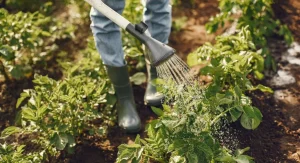
Compost tea can be used in two main ways: as a soil drench or as a foliar spray. As a soil drench, it is poured directly around the base of plants, where it delivers nutrients and microorganisms to the root zone. As a foliar spray, it is misted onto leaf surfaces with a spray bottle or garden sprayer.
Foliar application covers the leaves with beneficial organisms that may help suppress foliar diseases by competing with disease organisms for space and resources. For soil drenching, apply compost tea at about one to two cups per plant, or one gallon per 25 square feet of garden bed.
For foliar spraying, dilute the tea to a lighter concentration, roughly half-strength. Spray in the early morning, when the stomata are open and the sun is not strong enough to damage the microorganisms on the leaf surface.
What the Science Actually Supports
Soil scientists have confirmed that compost tea provides measurable amounts of plant-available nitrogen, phosphorus, potassium, and micronutrients. In that sense, it works as a mild, balanced liquid fertilizer.
The microbial claims are more complicated. Compost tea does contain beneficial organisms, but researchers are still studying how well those organisms establish themselves in soil or on leaf surfaces, and how long any benefits actually last.
The most dependable benefit of compost tea is as a nutrient supplement between solid compost applications. It offers a convenient way to give plants a mild feeding during important growth stages without the higher risk of over-fertilization that can come with granular products.