
The pieces most people throw away after preparing vegetables — root ends, stem bases, seed cores often still contain living tissue that can grow again. Regrowing plants from kitchen scraps is one of the easiest ways to start gardening, especially for anyone without yard space, gardening experience, or money to spend on supplies. In many cases, all you need is a glass of water and a sunny windowsill. These regrown plants usually will not produce the same amount of food you would buy at the grocery store, but they can give you fresh herbs and greens for free, make a fun learning activity for children, and show plant biology in a way that feels almost magical.
1. Green Onions: The Easiest Starting Point
Green onions are the fastest and most dependable food to regrow. After cutting off the green tops for cooking, place the white root ends in a glass of water, making sure the roots are still attached. The water should be deep enough to cover the roots but not the cut top.
Within three to five days, new green growth usually starts pushing up from the center of the cut surface. The tops grow back to a harvestable length, about four to six inches, in 10 to 14 days. You can cut them again, and the same root ends can usually be harvested three to four times before the quality starts to decline. After the first water-grown harvest, moving the rooted ends into a pot of soil will encourage stronger growth for future harvests.
2. Lettuce and Romaine Hearts
The base of a romaine heart or butter lettuce head — the two-to-three-inch stub left after the leaves are removed can grow a second flush of small, tender leaves. Place the base cut-side-up in a shallow dish of water and set it somewhere bright.
New leaves begin to appear from the center within three to five days and usually reach a usable salad size in two to three weeks. The regrown leaves will be smaller and fewer than the original head, but they are fresh, free, and perfectly useful for topping sandwiches or mixing into salads.

Credit: Rahul Pandit / Pexels
3. Celery
The base of a celery bunch, specifically the bottom two inches with the root plate still intact, can regrow new stalks when placed in a shallow dish of water. Keep it in a sunny spot, and within about a week, small leaves and thin stalks will begin emerging from the center.
After two weeks of starting it in water, transferring the celery base into a pot of soil helps produce sturdier stalks. They will still be smaller than store-bought celery, but they provide fresh celery flavor for soups, salads, and snacks over several weeks.
4. Ginger
A fresh piece of ginger root with visible growth buds, which look like small nubs on the surface, can be planted one to two inches deep in a pot of moist potting mix. Within two to three weeks, it will begin growing into a ginger plant.
Ginger grows well as a tropical houseplant when given bright, indirect light and steady moisture. After six to eight months, the plant develops harvestable rhizomes underground. These can be dug up, used, and replanted to keep the cycle going. Growing ginger from a grocery-store piece is one of the most affordable ways to keep fresh ginger available year-round.
5. Garlic
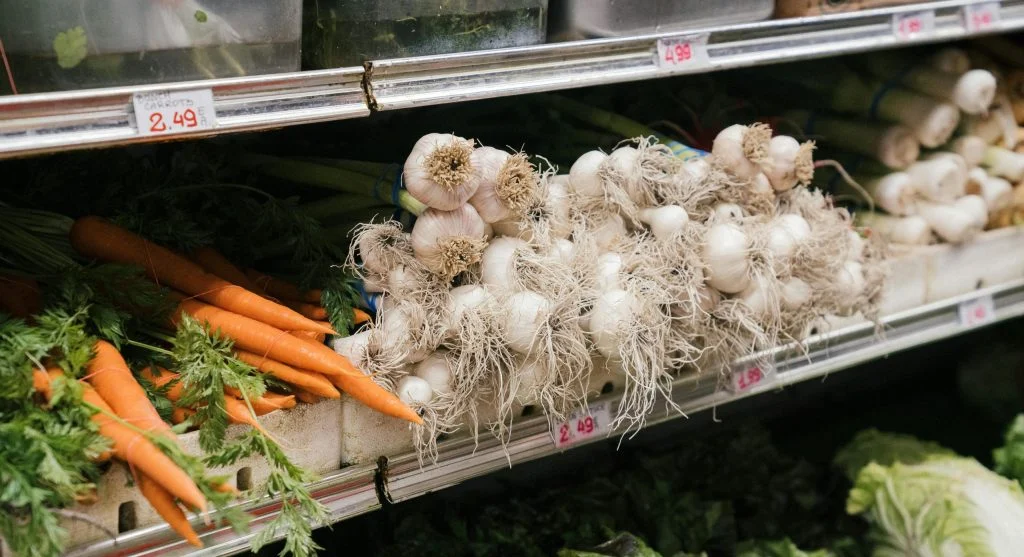
A single garlic clove planted one to two inches deep in soil, with the pointed end facing up, will send up green garlic shoots within 10 to 14 days. These shoots taste like a mild mix of garlic and scallions and can be snipped for use as a garnish or cooking ingredient.
When garlic is grown outdoors for a full season planted in fall and harvested the following summer one clove can produce an entire bulb. For windowsill garlic greens, though, all you need is a small pot and a sunny location.
6. Potatoes
A potato that has started sprouting, with small white or purple shoots growing from its eyes, is ready to plant. Cut the potato into pieces, making sure each piece has at least two eyes, then let the cut surfaces dry for 24 hours before planting. This creates usable seed pieces at no cost.
Plant the pieces three to four inches deep in a pot or garden bed, then hill soil around the shoots as they grow. In 10 to 12 weeks, one sprouted grocery potato can produce two to five pounds of new potatoes.
7. Basil
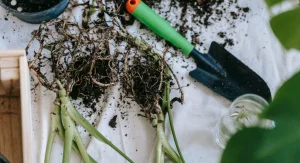
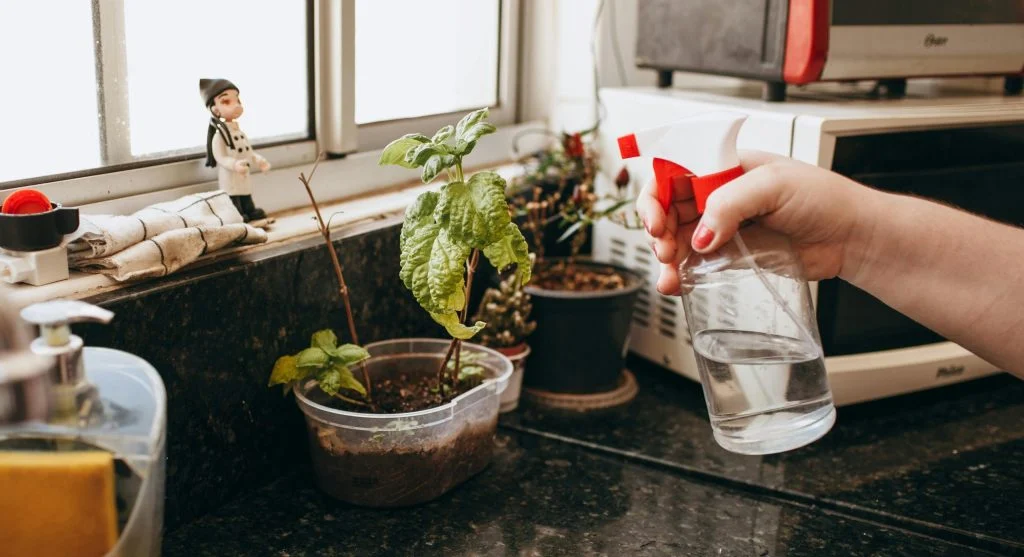
Fresh basil stems from the grocery store can be propagated as long as they are still firm and green. Remove the lower leaves, then place the cut stems in a glass of water.
Roots usually appear in seven to fourteen days. Once rooted, the cuttings can be moved into soil, where they grow into full-sized basil plants that can provide fresh leaves for months. One four-dollar package of fresh basil from the store can produce four to six rooted plants.
8. Sweet Potatoes
An organic sweet potato that has not been treated with sprout inhibitor can be suspended in water to produce slips, which are rooted green shoots. These slips can then be separated and planted to grow full sweet potato plants, as explained in detail in an earlier article in this series.
One sweet potato usually produces six to twelve plantable slips over a four-to-six-week period.
Credit: Helena Lopes / Pexels