
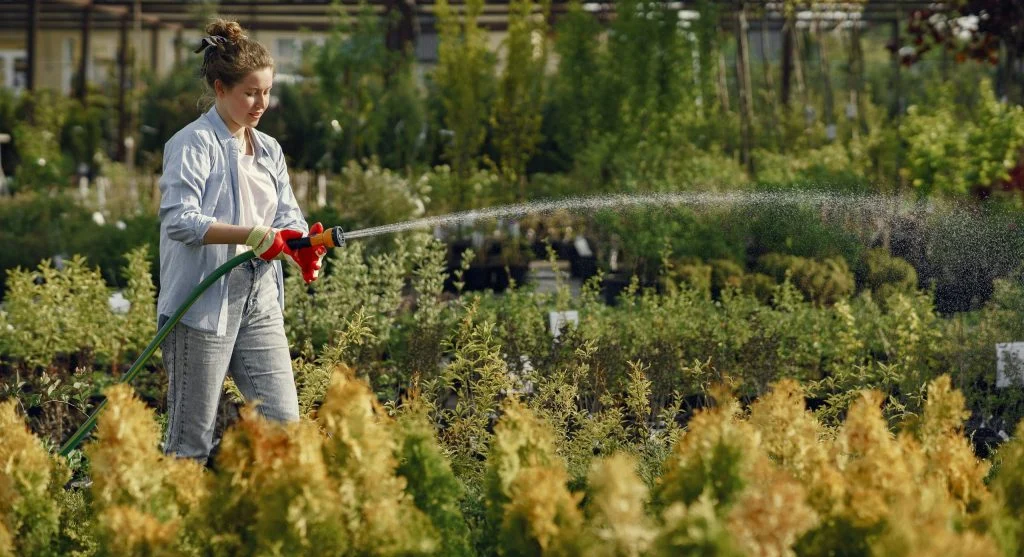
Watering feels like the easiest job in gardening aim the hose at the plants and let the water run. But horticultural researchers often point to poor watering practices as the leading cause of preventable plant death and lower yields in home gardens. The problem is that watering damage is often hard to spot at first. Unlike a pest infestation, where insects are visible, or a frost that wipes plants out overnight, watering mistakes usually cause a slow decline. Gardeners may blame poor soil, bad seeds, or disease without realizing the watering routine itself is the real issue.
1. Watering on a Fixed Schedule Instead of Checking Soil Moisture
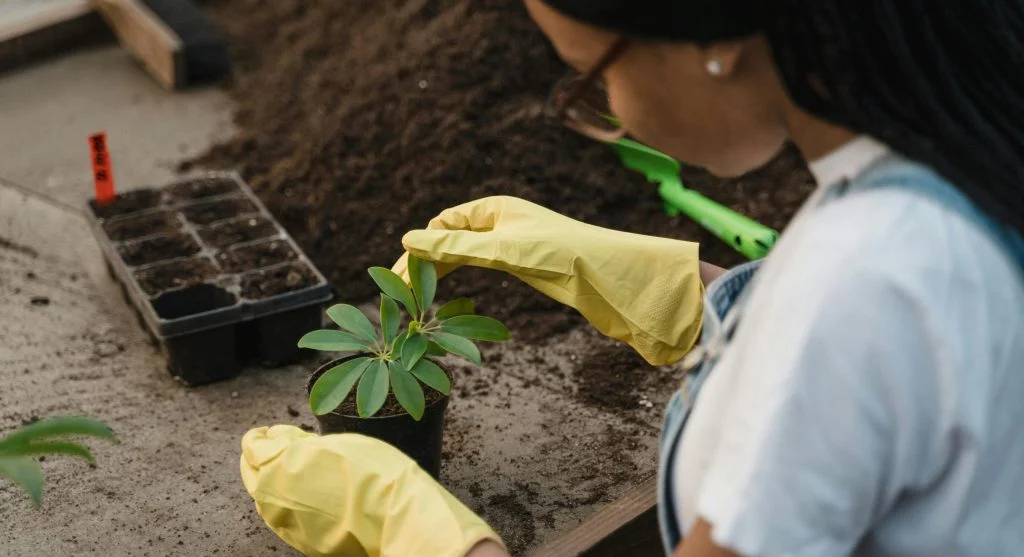
The most harmful watering habit is sticking to a strict schedule — such as “water every other day” or “water three times a week” no matter what the soil actually needs. Water needs shift constantly depending on temperature, humidity, wind, rainfall, plant size, and growth stage. A schedule that works during a cool, cloudy week may provide too much water during mild conditions and not nearly enough during a heat wave. The better method is to check soil moisture before each watering by pushing a finger about two inches into the soil. Water only when the soil feels dry at that depth. This simple habit adjusts naturally to changing conditions and helps prevent both overwatering and underwatering.
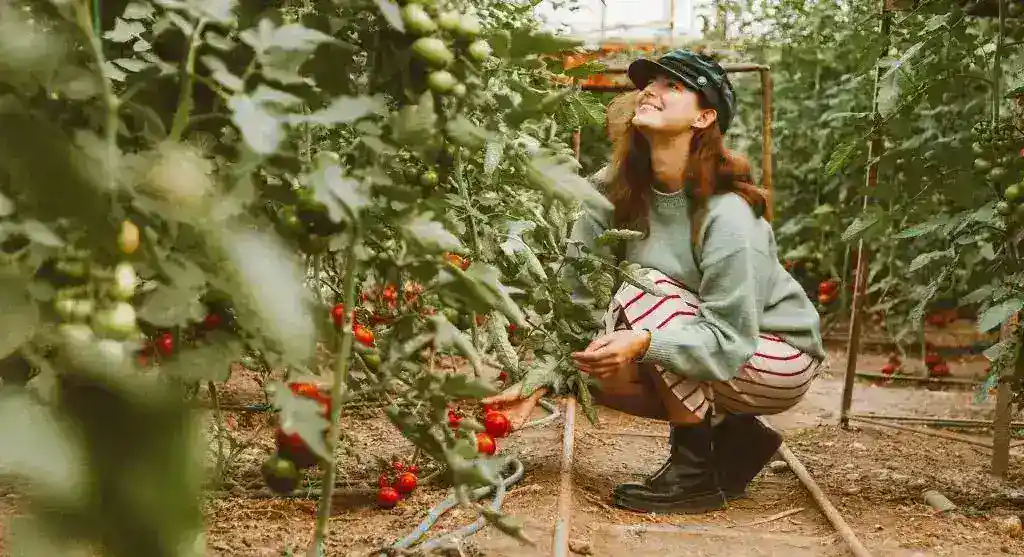
Credit: Tima Miroshnichenko / Pexels
2. Shallow, Frequent Watering Instead of Deep, Infrequent Soaking
A light daily sprinkling that only wets the top inch of soil trains roots to stay close to the surface. That makes them more vulnerable to heat, drought, and physical disturbance. Deep watering applying enough water to moisten the soil six to eight inches down — encourages roots to grow deeper, creating a stronger, wider root system that can reach moisture during dry spells and hold the plant more firmly in place. Most garden soils need about one inch of water per week, applied in one or two deep watering sessions, to keep moisture available at the six-to-eight-inch depth where most vegetable roots actively feed.
3. Watering Leaves Instead of Soil
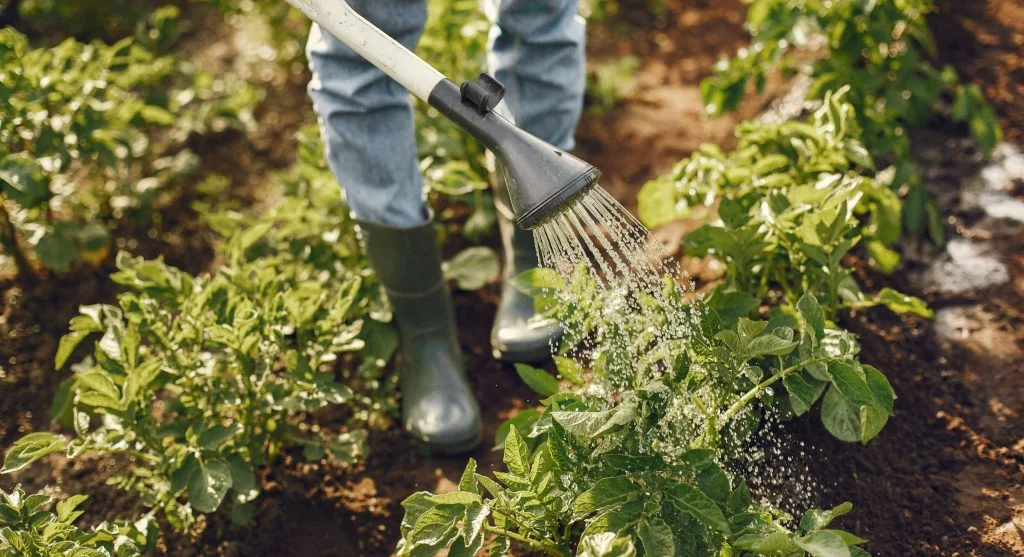
Overhead watering whether from sprinklers, spray nozzles, or careless hose use soaks the foliage but often fails to water the root zone efficiently. Wet leaves create ideal conditions for fungal diseases such as early blight, late blight, powdery mildew, and leaf spot. Much of the water that lands on leaves evaporates instead of reaching the soil where roots can take it up, so overhead watering also wastes a significant amount of water. Drip irrigation, soaker hoses, and careful hand watering at the base of each plant deliver moisture exactly where it is needed: the root zone, while keeping the foliage dry.
4. Watering at the Wrong Time of Day
Watering in the evening leaves soil and foliage wet during the cool nighttime hours, giving fungal diseases a longer window to develop on leaf surfaces. Plant pathologists consistently recommend morning watering because any moisture that does land on the leaves can dry in the warmth of the day. It also gives plants water when they need it most, since they transpire more actively during daylight hours. Early morning, before 10 AM, is the best watering window for both disease prevention and efficient water use.
5. Ignoring Mulch as a Watering Tool
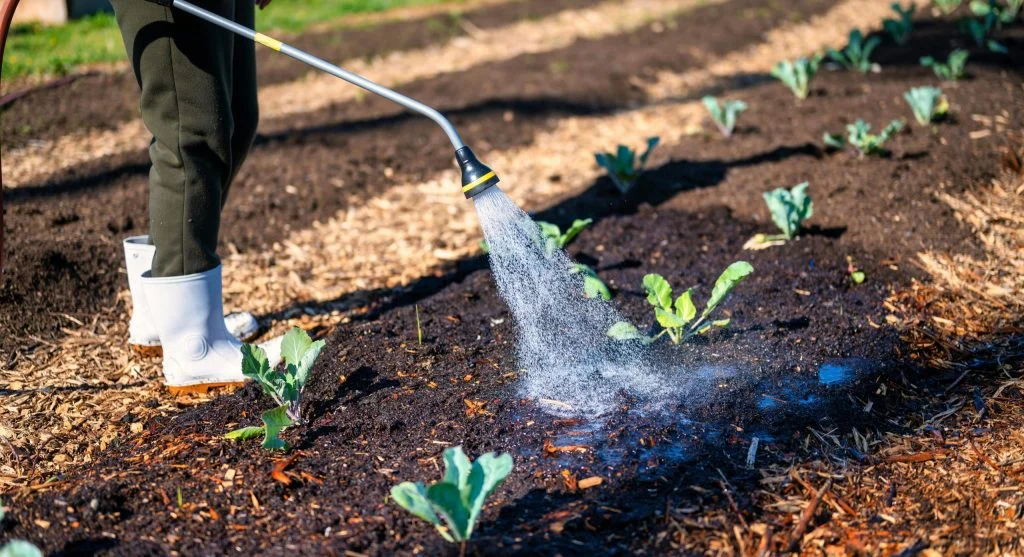
Bare soil loses moisture quickly through evaporation. In hot, windy conditions, up to 50 percent of applied water can evaporate before roots have a chance to absorb it. A three-to-four-inch layer of organic mulch, such as straw, shredded leaves, or wood chips, can reduce evaporation by 25 to 50 percent, stabilize soil temperature, and keep moisture more consistent between waterings. Gardeners who struggle with watering frequency and timing often find that proper mulching makes the biggest difference by stretching the time between waterings and softening the impact of missed or imperfect watering sessions.
Credit: Alfo Medeiros / Pexels