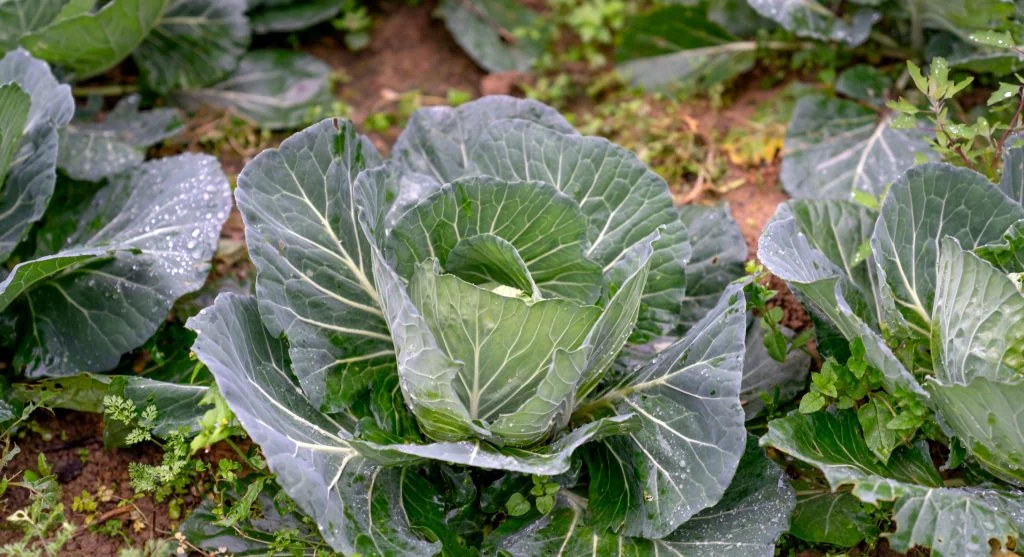


Planting the same vegetable, or the same vegetable family, in the same garden bed year after year is one of the most common habits in home gardening, but it is also one of the most damaging. When the same crop is grown in the same spot repeatedly, soil-borne diseases linked to that crop family can build up to harmful levels. The crop also draws heavily on the same nutrients each season, and pests that specialize in that plant family have an easier time surviving and multiplying from one year to the next. Crop rotation — the planned practice of moving crop families to different beds each year helps break these cycles while supporting soil health, pest balance, and steady productivity without relying on chemical intervention.
Agricultural researchers have found that even simple four-year rotations can reduce disease incidence by 50 to 80 percent compared with continuous cropping of the same family in the same location. The practice costs nothing, requires no extra inputs, and gives gardeners noticeably better results over time.
Understanding Crop Families
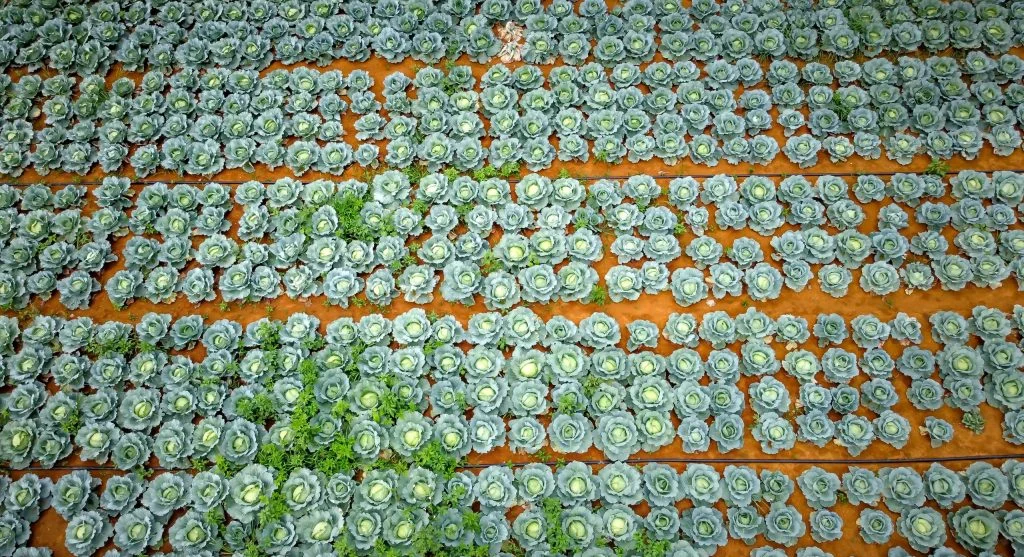
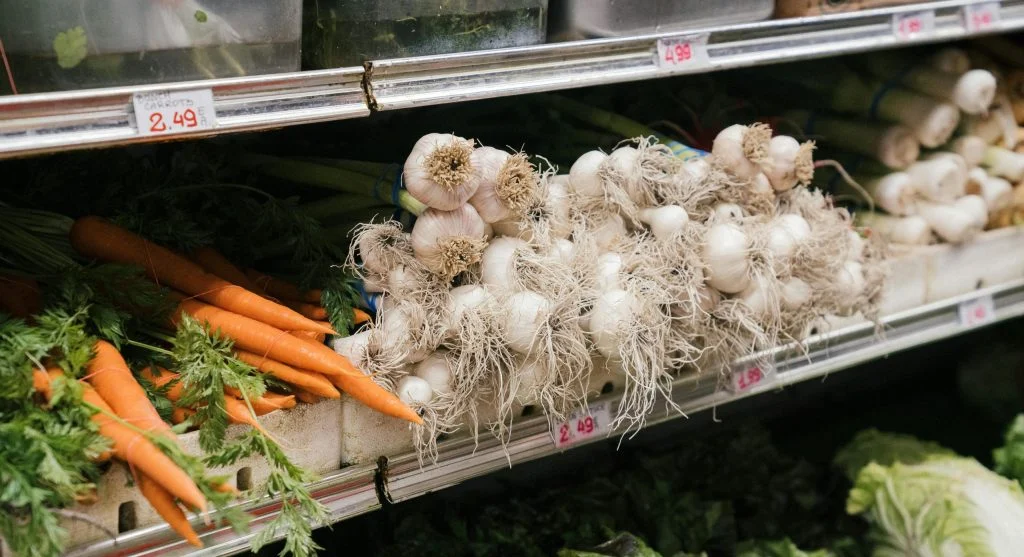
The key to crop rotation is grouping vegetables by botanical family. Plants in the same family tend to share the same diseases, attract the same pests, and use similar nutrient profiles. For rotation purposes, the four main families are nightshades, or Solanaceae, which include tomatoes, peppers, eggplants, and potatoes; brassicas, or Brassicaceae, which include broccoli, cabbage, cauliflower, kale, radishes, and turnips; legumes, or Fabaceae, which include beans and peas; and cucurbits, or Cucurbitaceae, which include squash, cucumbers, melons, and pumpkins. Alliums such as onions, garlic, and leeks, root crops such as carrots and beets, and leafy greens such as lettuce and spinach can be treated as additional groups or worked into the four main families for a simpler rotation plan.
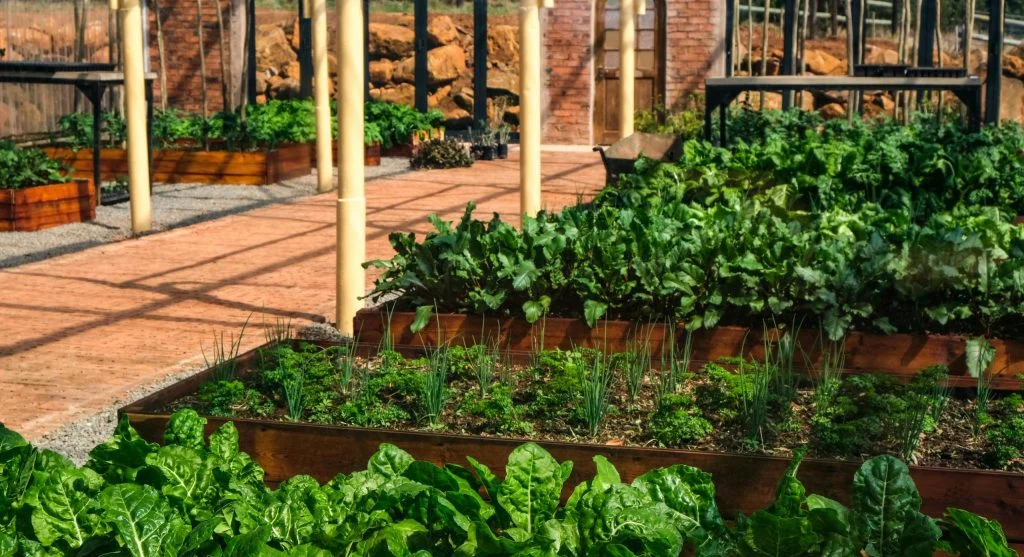
The Simple 4-Year Rotation Plan
A practical four-year rotation for a garden with four beds is easy to follow. In Year 1, Bed A grows nightshades, Bed B grows brassicas, Bed C grows legumes, and Bed D grows cucurbits. In Year 2, each family moves forward one bed: nightshades move to Bed B, brassicas move to Bed C, legumes move to Bed D, and cucurbits move to Bed A. The same pattern continues through Years 3 and 4, so each family returns to its original bed only in Year 5. This keeps any one crop family from using the same soil two years in a row and gives the bed four full growing seasons before that family returns.
Gardens with fewer than four beds can still benefit from crop rotation. A single bed can be divided into sections, or two major crop groups can be alternated between the available spaces. Even a simple two-year rotation, such as planting nightshades one year and everything else the next, is far better than no rotation at all.
The Legume Advantage: Free Nitrogen
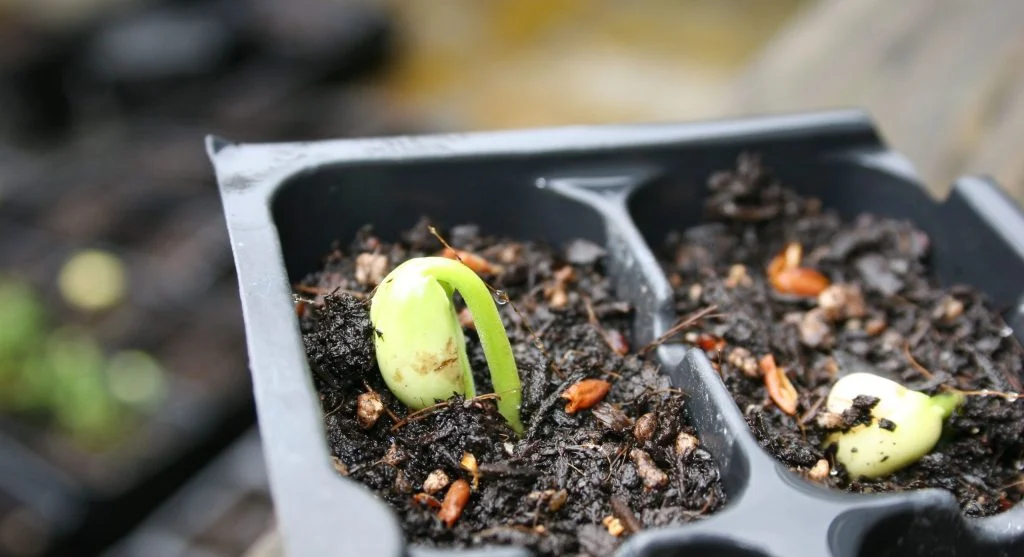
Legumes, including beans and peas, bring a special benefit to any crop rotation plan. They fix atmospheric nitrogen in the soil through a symbiotic relationship with Rhizobium bacteria. When legumes are planted in a bed that will be used the following year for nitrogen-hungry crops such as tomatoes, corn, or squash, the next crop can take advantage of the nitrogen the legumes leave behind. This can reduce or even eliminate the need for supplemental nitrogen fertilizer. That built-in soil enrichment is one reason crop rotation leads to healthier plants than continuous cropping, in addition to its disease-breaking benefits.
Common Rotation Mistakes to Avoid
One of the most common crop rotation mistakes is forgetting that all nightshades belong to the same family. A gardener may move tomatoes out of a bed but then plant peppers or potatoes there instead, which means the family has not actually been rotated and the disease-breaking benefit is lost. The same problem happens when broccoli follows cabbage, or cucumbers follow squash, because both crops in each pair share the same diseases. Another common mistake is giving up on the rotation when limited space makes it tempting to plant tomatoes in the “best” bed every year. Staying disciplined with the rotation, even when the layout is slightly less convenient for one season, creates benefits that build and become more noticeable with each passing year.