
Compost, mulch, and fertilizer are three of the most common soil inputs recommended in gardening and also three of the easiest to confuse. Many gardeners use these terms as if they mean the same thing, or they apply one product expecting it to do the job of another. While all three support healthy plant growth, they work in very different ways, serve separate purposes, and are used differently in the garden. Knowing what each one does and what it does not do helps gardeners use all three properly instead of depending on one and missing the benefits the others provide.
Compost: Feeds the Soil
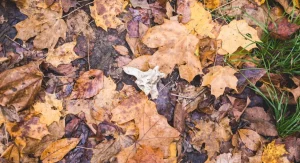
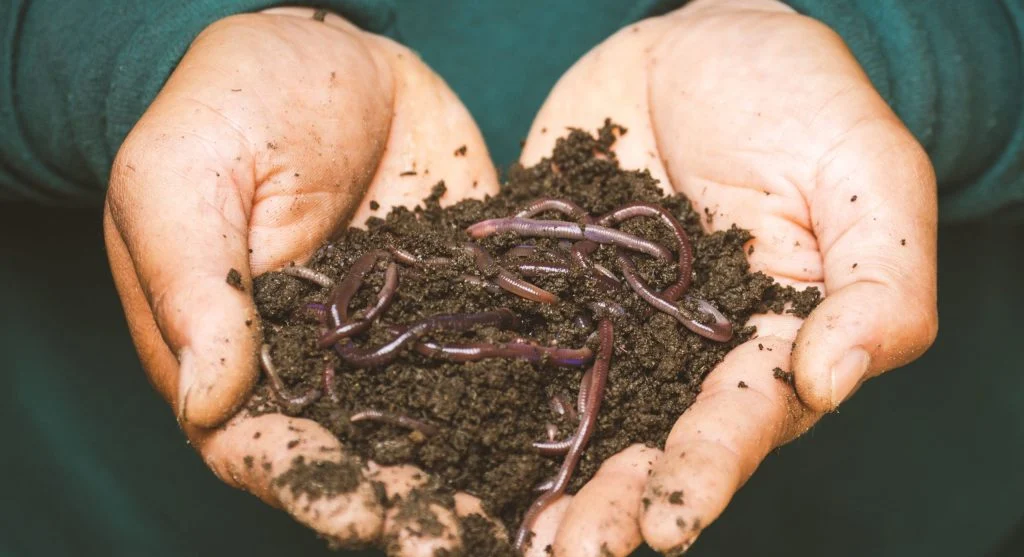
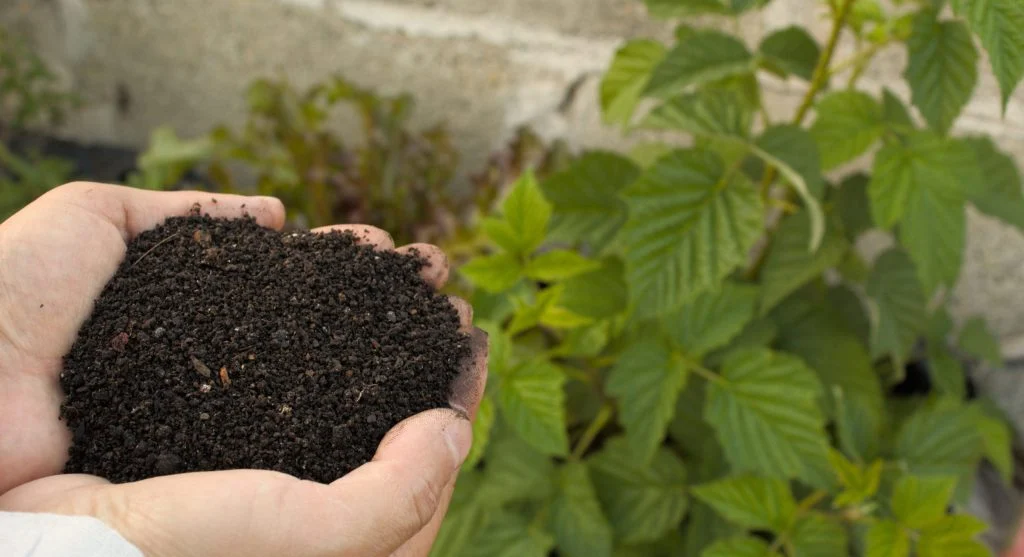
Compost is decomposed organic matter the finished result of leaves, food scraps, manure, and other plant or animal materials breaking down naturally. Its main role is to improve soil health. It adds organic matter that supports beneficial soil organisms, improves soil structure by loosening clay and giving sandy soil more body, increases water-holding capacity, and supplies a slow-release range of nutrients.
Compost should not be treated as a strong fertilizer. Its nutrient levels are usually too low, and they release too slowly, to correct serious nutrient deficiencies quickly. Compost is either worked into the top 4–6 inches of soil or spread on the surface as a top-dressing, where soil organisms gradually move it into the root zone. Every garden can benefit from one to two inches of compost each year, no matter the soil type or crop.
Mulch: Protects the Soil Surface
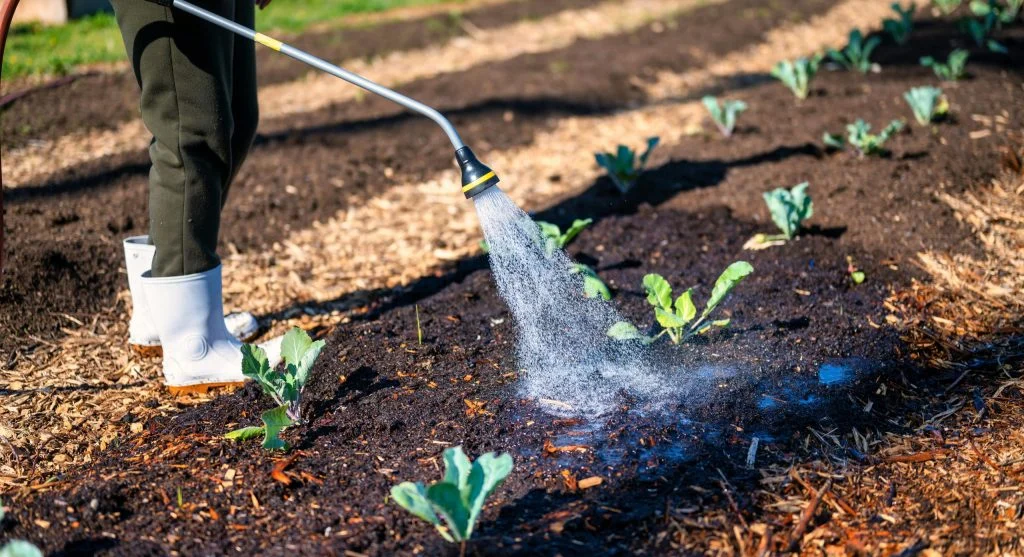
Mulch is any material placed on top of the soil not mixed into it to help suppress weeds, hold moisture, regulate temperature, and reduce erosion. Common organic mulches include straw, shredded leaves, wood chips, and pine needles.
Mulch does not feed the soil directly while it is sitting on the surface, because it has to decompose first. It is also not a fertilizer. Its purpose is mainly physical and protective: it blocks light from reaching weed seeds, shields the soil from temperature swings, and slows water evaporation.
Around established plants, mulch is usually applied three to four inches deep. However, it should be kept one to two inches away from plant stems to avoid moisture buildup that can lead to rot. Over time, organic mulch breaks down and adds organic matter to the soil. At that stage, it begins to act more like compost and needs to be replaced.
Fertilizer: Feeds the Plant Directly
Fertilizer provides specific nutrients mainly nitrogen, phosphorus, and potassium in forms that plant roots can absorb. Unlike compost, which improves the overall soil ecosystem over time, fertilizer is meant to meet the plant’s nutritional needs more directly and often produces visible results within days or weeks.
Synthetic fertilizers, whether granular or liquid, offer precise and concentrated nutrient delivery through specific NPK ratios. Organic fertilizers, such as bone meal, blood meal, fish emulsion, and kelp, provide those same nutrients in less concentrated and slower-release forms while also supporting soil organisms.
Fertilizer does not improve soil structure, suppress weeds, or conserve moisture. It is simply a nutrient input.
How All Three Work Together
The most productive gardens use compost, mulch, and fertilizer together. Compost builds and maintains soil health and is usually applied once a year. Mulch protects the soil surface and is added after planting. Fertilizer helps correct specific nutrient needs during the growing season, ideally based on soil test results and crop requirements.
Compost is the foundation because it supports the healthy soil ecosystem needed for long-term productivity. Mulch makes garden care easier by reducing weeds and conserving moisture. Fertilizer fills nutritional gaps that compost alone may not cover, especially for heavy-feeding crops during their most demanding growth stages.
Relying on only one of these inputs while ignoring the other two usually leads to weaker results. Each one has a different job, and gardens perform best when all three are used in the right way.