
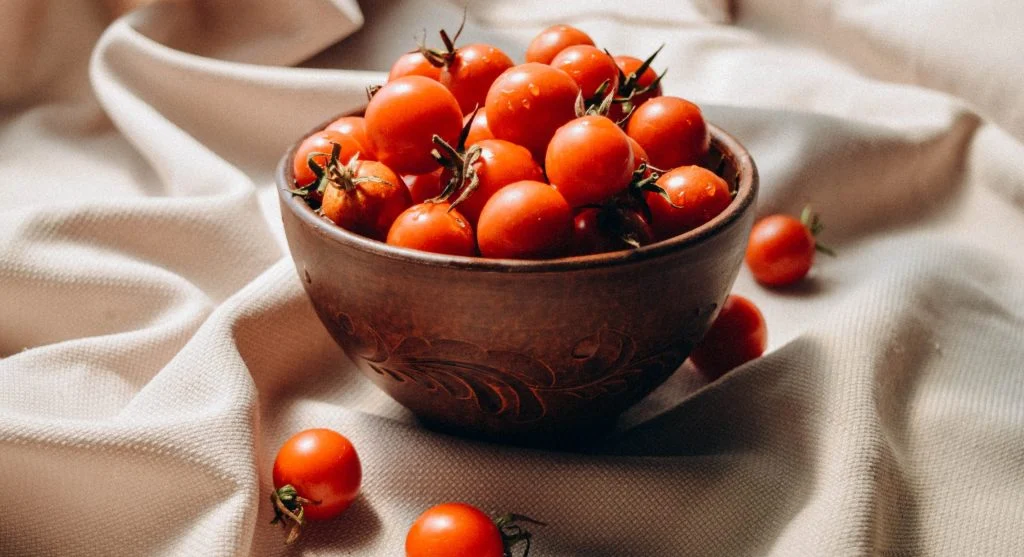
Few things are more disappointing than finding a beautiful tomato split open just as it reaches peak ripeness. Tomato cracking is one of the most common problems home gardeners encounter, especially during the height of summer when fruit is nearly ready to harvest.
Cracks may appear as circular rings around the stem or as deep splits running from the top of the tomato toward the bottom. While cracked tomatoes are still perfectly safe to eat if the damaged areas are trimmed away, the openings allow bacteria, fungi, and insects to enter the fruit. As a result, cracked tomatoes spoil much more quickly and should be harvested and used as soon as possible.
Fortunately, tomato cracking has a clear cause and there are several simple ways to reduce it.
Why Tomatoes Crack
Tomatoes split because the inside of the fruit expands faster than the skin can stretch. This usually happens after a period of dry weather followed by heavy rainfall or deep watering. During dry conditions, tomato skins become slightly less flexible. When the roots suddenly absorb a large amount of water, the fruit swells rapidly, but the skin cannot expand quickly enough to keep up.
The pressure causes the skin to split, creating either concentric cracks around the stem or radial cracks extending down the fruit. This explains why cracking often appears after summer thunderstorms that arrive following several hot, dry days.
1. Keep Soil Moisture Consistent
The best way to prevent tomato cracking is to avoid dramatic changes in soil moisture. Instead of watering heavily only when the soil becomes dry, aim to provide steady moisture throughout the growing season. Most tomato plants perform well with about one to two inches of water each week, applied consistently rather than all at once.
A drip irrigation system works especially well because it delivers water slowly and evenly to the roots. Adding a layer of organic mulch about three to four inches of straw, shredded leaves, or wood chips also helps. Mulch reduces evaporation, keeps soil moisture more stable, and softens the impact of heavy rainfall by slowing how quickly water reaches the root zone.
2. Harvest Tomatoes at the Breaker Stage
You don’t have to wait until tomatoes are fully red before picking them.
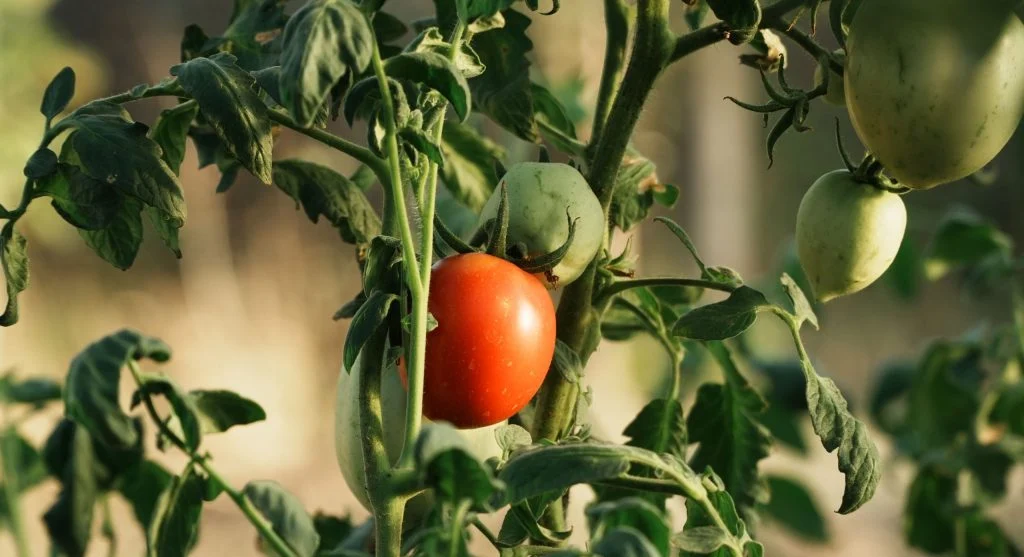
The **breaker stage** is when the first blush of color begins to appear, usually near the blossom end of the fruit. Tomatoes harvested at this point continue ripening indoors over the next three to five days while maintaining excellent flavor.
Picking fruit at the breaker stage reduces the chance of cracking because the tomato finishes ripening off the vine, away from sudden changes in soil moisture.
This method is especially useful when rain is expected and nearly ripe tomatoes are still hanging on the plant.
3. Choose Crack-Resistant Varieties
Some tomato varieties naturally resist cracking better than others.
Large heirloom tomatoes such as Brandywine, Cherokee Purple, and Mortgage Lifter are well known for their exceptional flavor, but they also tend to develop cracks more easily because of their thinner, less flexible skins.
Many modern hybrid tomatoes have been bred with stronger, more elastic skins that are better able to handle changes in moisture.
If cracking is a recurring problem in your garden, consider growing varieties such as Celebrity, Big Beef, Mountain Fresh, or many paste tomatoes, which are recognized for their improved resistance while still producing excellent fruit.
What to Do with Cracked Tomatoes
If you discover a cracked tomato, don’t assume it’s ruined.
Inspect the fruit carefully. If the crack is fresh and there are no signs of mold, insects, or decay, simply trim away the damaged section and use the tomato as soon as possible.
However, don’t leave cracked tomatoes on the vine. The exposed flesh provides an easy entry point for disease organisms and insects, causing the fruit to deteriorate rapidly.
Key Takeaway
Tomato cracking occurs when fruit absorbs water too quickly after a period of dry conditions, causing the inside to expand faster than the skin can stretch. The best way to prevent it is by maintaining consistent soil moisture with regular watering and mulch, harvesting tomatoes at the breaker stage before they become highly vulnerable, and choosing crack-resistant varieties when possible. Although cracked tomatoes are still safe to eat if used promptly, harvesting them immediately helps prevent rot and keeps more of your crop in good condition.