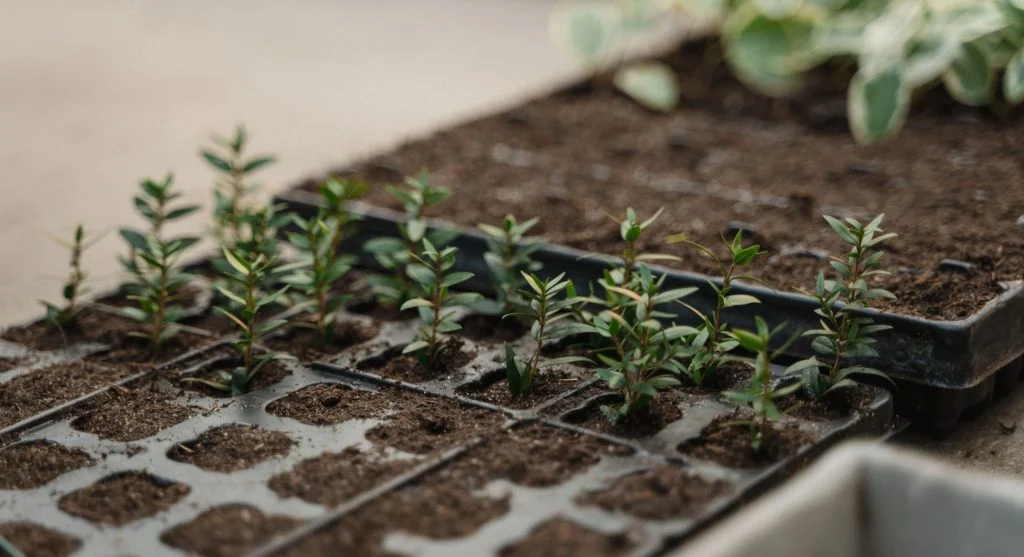

Commercial seed starting systems, complete with adjustable light stands, self-watering trays, heat mats, and humidity domes, can cost anywhere from 150 to 400 dollars. For gardeners who start 50 to 200 plants each year, that kind of setup can pay for itself fairly quickly. But beginners who simply want to see whether indoor seed starting is worth the effort do not need to make a big investment right away. A fully functional seed starting station can be put together for under 50 dollars with just a few basic supplies. The seedlings it produces can look just as strong as those grown with professional-grade equipment because the basic needs for successful seed starting are not complicated: light, warmth, moisture, and containers.
The Essential Components
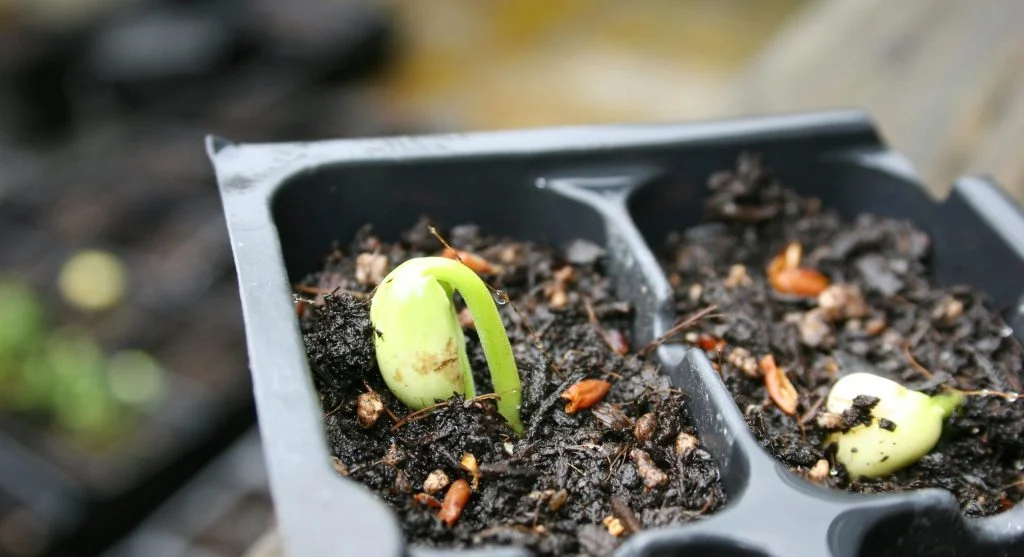
A working seed starting station needs four main things: a light source, seed trays or containers, seed starting mix, and a flat surface to hold everything. The cost usually breaks down like this: a two-foot or four-foot LED shop light, which costs about 15 to 25 dollars and is the most important investment; standard 1020 seed trays with cell inserts or recycled containers with drainage holes, which cost around 5 to 10 dollars if bought new or nothing if using yogurt cups and takeout containers; a bag of seed starting mix, usually 5 to 8 dollars; and a basic plug-in timer for the light, also around 5 to 8 dollars. Altogether, the setup usually costs between 30 and 50 dollars and can start 72 to 200 seedlings per batch.
Why the Light Matters More Than Everything Else Combined
The grow light is the one part of the setup that most often determines whether indoor seed starting succeeds or becomes frustrating. As covered in earlier articles in this series, windowsill light is rarely enough to grow strong, compact seedlings. Even a south-facing window in late winter provides less than half the light intensity and duration vegetable seedlings need. A basic LED shop light with a full-spectrum, 6500K color temperature, placed two to four inches above the seedling canopy and kept on for 14 to 16 hours a day with a timer, can produce seedlings that are much sturdier, more compact, and healthier than anything grown on a windowsill. Specialty “grow lights” with purple or red and blue spectrums can work well, but they are not required. Standard white LED shop lights can produce excellent results at a much lower cost.
Setting Up the Station
The simplest setup uses a wire shelving unit, which many households already have, with the LED light hung from the shelf above the trays using adjustable chains or zip ties. The chains make it easy to adjust the height of the light as the seedlings grow. Start with the light about two inches above the soil surface for newly sown seeds, then gradually raise it to four to six inches as the seedlings develop. A plastic tray placed under the seed containers catches water during bottom-watering and protects the shelf or table from moisture damage. The entire seed starting station can fit into a two-foot by four-foot space, making it small enough for a basement corner, spare room, or garage.
Optional Upgrades Worth Considering
Two optional additions can noticeably improve results for gardeners who decide to keep starting seeds beyond the first season. A seedling heat mat, which usually costs 15 to 20 dollars, sits beneath the trays and raises the soil temperature by 10 to 15 degrees. This can dramatically speed up germination for warm-season crops such as tomatoes, peppers, and squash. The mat should be removed or turned off once the seedlings emerge because continued heat after germination can encourage leggy growth. A small clip-on fan, usually 10 to 15 dollars, aimed gently at the seedling canopy provides light air movement that strengthens stems through a process called thigmomorphogenesis and helps reduce the risk of damping off disease. These two upgrades can bring the total cost closer to 80 dollars, but they often produce noticeably stronger seedlings.