
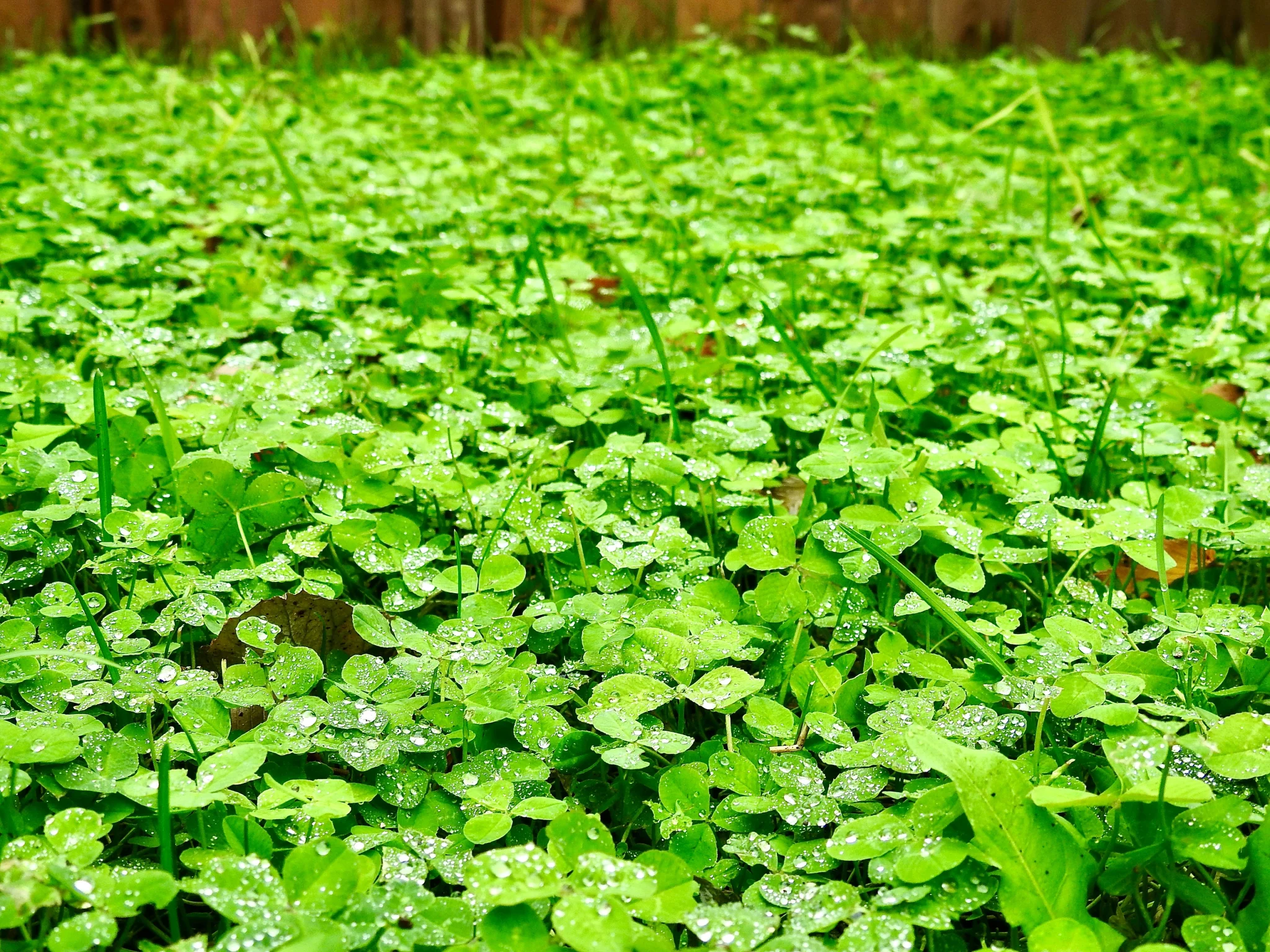
Cover cropping, growing plants specifically to benefit the soil rather than for harvest, is a practice that commercial farmers have used for centuries and that home gardeners are increasingly adopting as awareness of soil health grows. The concept is straightforward: instead of leaving garden beds bare during the off-season (fall through spring in most climates), a fast-growing cover crop is sown that protects the soil surface from erosion, adds organic matter as it grows and is eventually incorporated, suppresses weeds, and in some cases adds nitrogen to the soil through biological fixation. Soil scientists describe cover crops as “the single most effective practice for building soil health between growing seasons.”
How Cover Crops Improve Soil
Cover crops improve soil through four primary mechanisms. First, their root systems physically break up compacted soil layers, creating channels that improve water infiltration and aeration. Second, living roots exude sugars and organic acids that feed beneficial soil microorganisms the bacteria and fungi that build soil structure and cycle nutrients. Third, the above-ground biomass, when cut and incorporated into the soil in spring, adds significant organic matter that decomposes into humus over the following weeks. Fourth, the dense foliage of a growing cover crop shades the soil surface, preventing weed seed germination and protecting against erosion from wind and heavy rain during the off-season
Credit: Riccardo Falconi /Pexels
1. Crimson Clover The Nitrogen Fixer
Crimson clover is a legume that hosts nitrogen-fixing bacteria in root nodules, converting atmospheric nitrogen into plant-available forms that benefit the following season’s crops. Sown in early fall, crimson clover grows vigorously through autumn, goes dormant or semi-dormant through winter, and resumes growth in early spring. When cut and incorporated into the soil two to three weeks before spring planting, it contributes both nitrogen and organic matter. Agricultural research indicates that a good stand of crimson clover can contribute the equivalent of 70 to 150 pounds of nitrogen per acre enough to significantly reduce or eliminate the need for supplemental nitrogen fertilizer for the subsequent vegetable crop.
2. Winter Rye The Erosion Fighter
Winter rye (also called cereal rye) is the most cold-tolerant cover crop available, germinating in soil temperatures as low as 34°F and growing actively in conditions that no other cover crop can tolerate. Its dense, fibrous root system holds soil in place against winter rains and freeze-thaw cycles more effectively than any other species. Winter rye is the go-to choice for gardeners in zones 3 through 5 where fall cover crop planting must happen late (October or even November) and cold tolerance is essential. It should be cut and incorporated into the soil at least two to three weeks before spring planting because rye residues temporarily suppress the germination of small-seeded crops if not adequately decomposed.
3. Buckwheat The Fast Summer Cover
Buckwheat fills a different niche than the other cover crops on this list: it is a warm-season, fast-growing cover that reaches full size in just 30 to 40 days. Buckwheat is ideal for filling gaps between spring and fall crops sow it in an empty bed in June or July, and it will produce a dense canopy that suppresses weeds, attracts pollinators with its abundant white flowers, and adds organic matter when cut and incorporated before fall planting. Buckwheat is not winter-hardy and is killed by the first frost, making cleanup effortless.
4. Hairy Vetch Maximum Nitrogen Production
Hairy vetch is the most productive nitrogen-fixing cover crop for home gardens, contributing more nitrogen per square foot than any other commonly available species. Sown in early fall, it grows slowly through autumn, goes dormant in winter, and produces vigorous spring growth that can be incorporated into the soil in late April or early May. Hairy vetch is often mixed with winter rye to combine nitrogen fixation (from the vetch) with erosion control and organic matter production (from the rye) a pairing that soil scientists consider the gold standard for home garden cover cropping.
5. Field Peas Easy and Edible
Field peas (also called Austrian winter peas) are a beginner-friendly cover crop that fixes nitrogen, grows quickly, and can even be partially harvested for eating before the remainder is incorporated into the soil. The large seeds are easy to sow, germination is reliable in cool soil, and the plants provide moderate nitrogen contribution and good weed suppression. Field peas are less winter-hardy than winter rye or hairy vetch and are best suited for zones 6 through 9 or for spring-sown cover cropping in colder zones.
Key Takeaway
Cover crops protect bare soil from erosion, suppress weeds, add organic matter, and in the case of legumes fix atmospheric nitrogen for free. The five best options for home gardens are crimson clover (nitrogen fixing), winter rye (extreme cold tolerance), buckwheat (fast summer gap filler), hairy vetch (maximum nitrogen production), and field peas (easy and partially edible). Cover crops should be cut and incorporated into the soil two to three weeks before spring planting to allow residue decomposition.