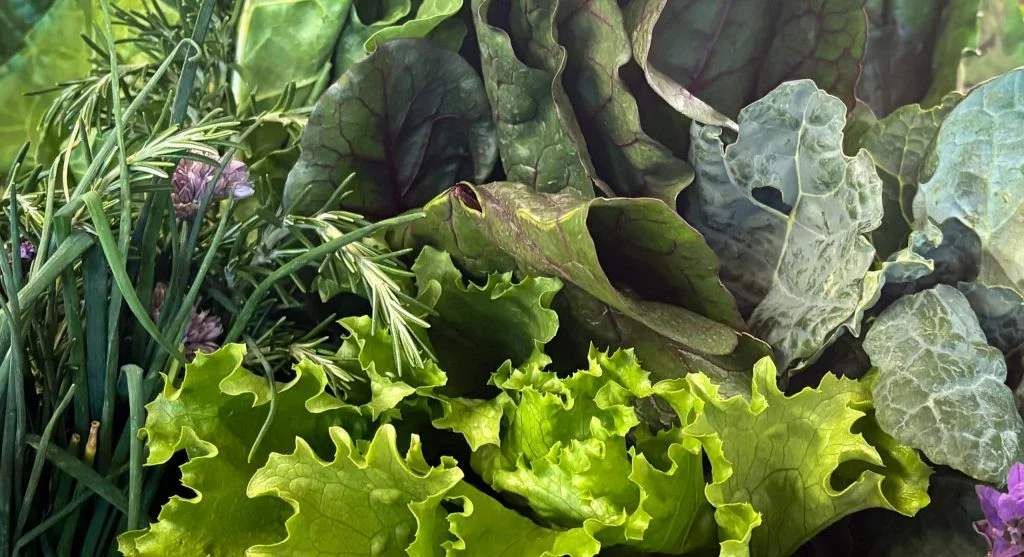

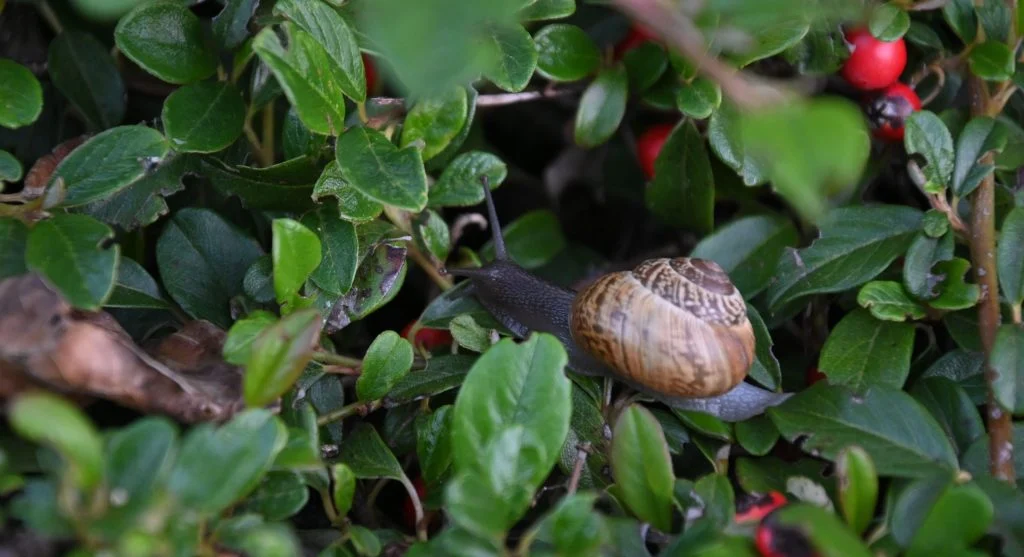
Slugs and snails are some of the most stubborn and damaging garden pests in humid, rainy climates. In the right conditions, they can destroy entire rows of seedlings overnight. These mollusks usually feed after dark, chewing irregular holes in leaves, stems, and developing fruit while leaving behind silvery slime trails that reveal where they have been. Their damage is especially serious on young, tender seedlings and soft-leaved crops such as lettuce, strawberries, hostas, and basil — plants that slugs tend to prefer over tougher, more mature foliage. Effective slug control works best when it combines habitat changes, physical barriers, and targeted baiting methods that lower populations without adding toxic chemicals to the garden ecosystem.
Habitat Modification: Remove Daytime Hiding Spots
Slugs and snails have soft bodies and dry out quickly in direct sunlight. During the day, they survive by hiding in cool, damp places, including under boards, rocks, dense ground cover, thick mulch, and plant debris. Removing unnecessary hiding spots from the garden helps reduce the local slug population by pushing them into more exposed areas, where sunlight, heat, birds, ground beetles, and toads can take care of them.
Keeping mulch at a depth of two to three inches, instead of the four to six inches that create ideal slug habitat, can make a noticeable difference. Clearing plant debris from around vulnerable crops also helps. Avoiding overhead watering in the evening is another important step, since wet soil and moist leaf surfaces create the conditions slugs need to move around actively.
Iron Phosphate Baits: The Safest Chemical Option
Iron phosphate slug baits, sold under brand names such as Sluggo and Garden Safe Slug and Snail Bait, are among the safest and most effective targeted products for slug control. Iron phosphate is a naturally occurring compound that causes slugs to stop feeding within hours after eating it. They usually die within three to six days.
This type of bait is certified for organic gardening by the Organic Materials Review Institute (OMRI). It poses no risk to children, pets, wildlife, or earthworms and eventually breaks down in the soil into iron and phosphate, both of which are plant nutrients. The pellets should be scattered lightly around the base of vulnerable plants and reapplied after rain. Iron phosphate baits are much safer than older metaldehyde-based slug baits, which are toxic to dogs, cats, and wildlife and should not be used in gardens.
Beer Traps: Effective but Labor-Intensive
Beer traps can work well, but they require regular attention. Shallow containers such as tuna cans, yogurt cups, or pie tins are sunk into the soil so the rim sits level with the surface, then filled with beer. The yeast smell attracts slugs from several feet away. Once they fall into the liquid, they drown and cannot escape.
The drawback is that beer traps need to be emptied and refilled every day to stay effective. Each trap also protects only a small area, usually about two to three feet around it. Another downside is that they may also attract and kill ground beetles, which are beneficial predators that feed on slugs. For that reason, beer traps are best used as a supporting method along with habitat modification and iron phosphate baits, rather than as the only control strategy.
Copper Barriers: Physical Exclusion That Works
Copper works as a physical barrier because it creates a mild electrical charge when it touches slug slime. This produces a sensation that slugs avoid. Copper tape placed around the rims of raised beds, containers, and cold frames can create a barrier that slugs will not cross.
For best results, the copper strip should be at least two inches wide. Narrower strips can sometimes be crossed by larger slugs. Copper mesh or copper fabric can also be placed around individual plants or used as a ring barrier to create the same exclusion effect. Copper barriers are a one-time setup, but they work only as long as the surface stays clean. Oxidized copper loses some of its repellent effect, so it should be scrubbed with vinegar from time to time to restore the bright metal surface.
Encouraging Natural Predators
Several common garden animals feed heavily on slugs and can provide free, ongoing biological control. Ground beetles are especially strong slug predators, and a single beetle can eat its body weight in slugs in one night. Creating beetle habitat near the garden, such as logs, stone piles, or beetle banks planted with dense grasses, can encourage these helpful insects to stay.
Toads also eat large numbers of slugs and can be attracted by offering a shallow water source and cool, shaded hiding places. An overturned broken pot with a small doorway chipped out can work well as a simple toad house. Birds, especially thrushes, robins, and ducks, are also eager slug hunters. Gardeners with backyard poultry often report major reductions in slug numbers after allowing chickens or ducks supervised access to garden areas during the day.
Key Takeaway
Effective slug and snail management works best when several methods are used together. Start by modifying their habitat by removing daytime hiding spots and reducing mulch depth. Iron phosphate baits can help control them and are safe for organic gardens, pets, and wildlife. Copper barriers around beds and containers add another layer of protection, while natural predators such as ground beetles, toads, and birds can help keep populations lower. Beer traps may provide extra control, but they need daily maintenance. Metaldehyde-based baits should be avoided because of toxicity risks. A multi-strategy approach reduces slug populations more reliably than relying on one method alone.