
The final weeks of the summer growing season — usually late August through September in most temperate zones are more important than many gardeners realize. By this point, the early excitement of the season often fades, attention starts to drift, and harvesting becomes less consistent. But the choices made during this period, or the ones ignored, can affect far more than the last few harvests of the year. They influence soil health, pest pressure, disease problems, and the condition next year’s garden inherits. Five end-of-season mistakes are especially common, and fixing them can noticeably improve garden performance the following year.
Letting Vegetables Over-Mature on the Plant
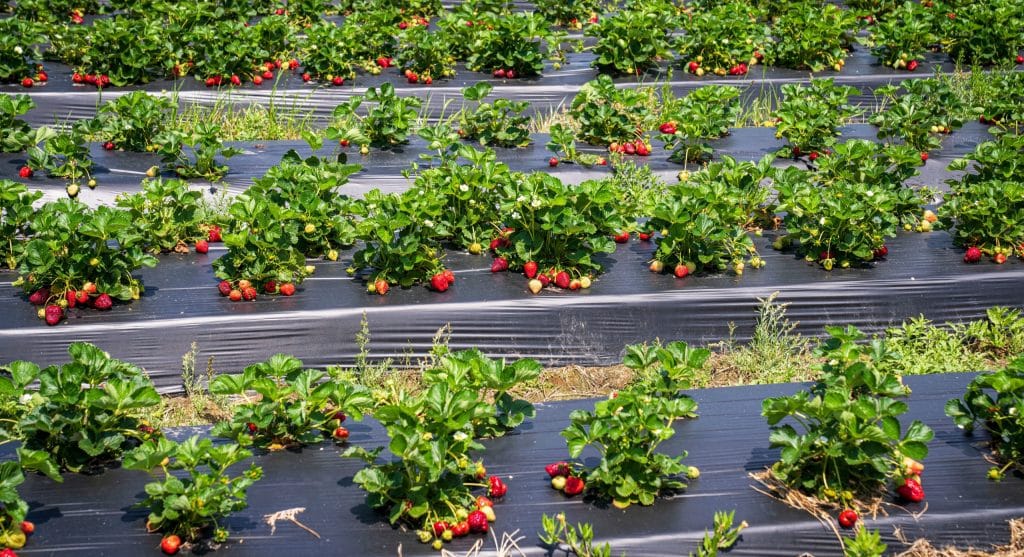
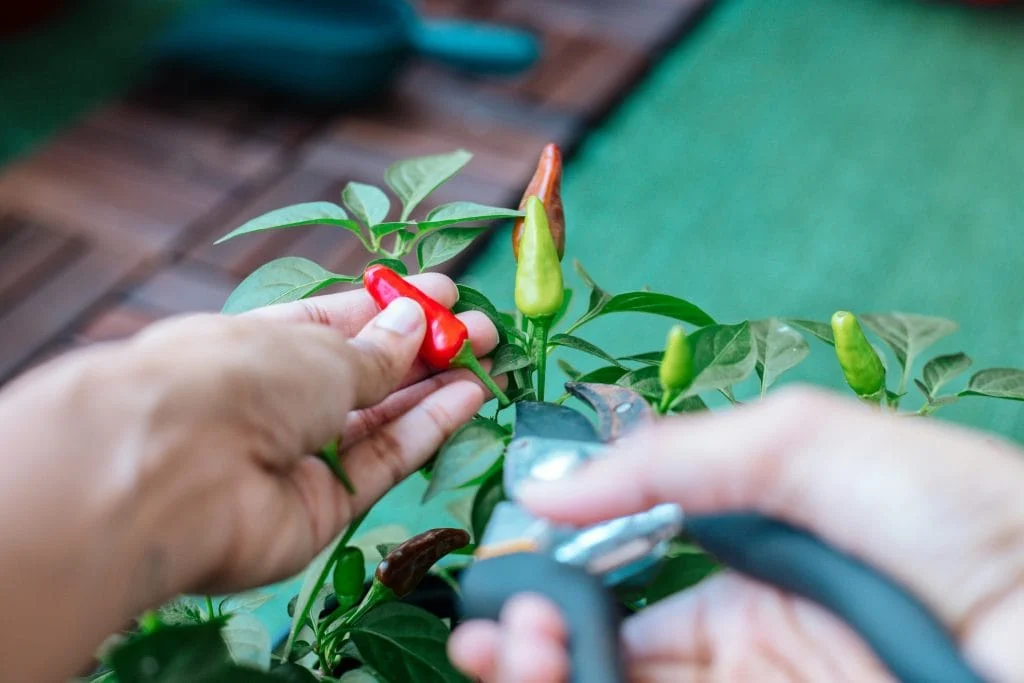
Leaving ripe or over-ripe vegetables on the plant sends a signal that the plant has completed its reproductive job. Once that happens, many plants slow down or stop producing new flowers and fruit. A zucchini plant holding a forgotten two-foot-long fruit, a bean plant covered in dry rattling pods, or a cucumber that has turned yellow and swollen all show the same problem: the plant has shifted from active production into seed-maturing mode. Harvesting regularly until the end of the season, even when the kitchen cannot keep up, helps plants stay productive until frost. Extra produce can be shared with neighbors, donated to food banks, or composted, but removing mature fruit is what keeps the plant’s production signals active.

Leaving Diseased Plant Material in the Garden
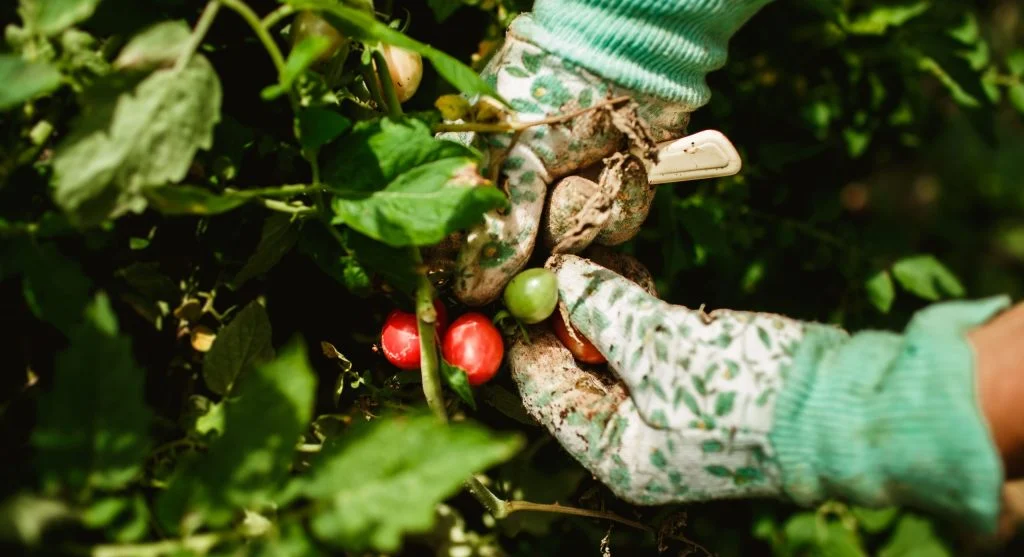
Tomato plants with early blight, squash vines covered in powdery mildew, and cucumber plants affected by downy mildew are all common sights late in the season. Leaving diseased plants in place through fall and winter gives fungal spores a place to survive, making it easier for them to infect next year’s crops with an even larger disease load. Diseased plant material should be removed from the garden as soon as the crop has finished producing. It should be bagged and sent to municipal waste disposal rather than added to the compost pile, because most home compost systems do not get hot enough to reliably kill persistent fungal spores.
Ignoring Late-Season Pest Buildup
Many garden pests reach their highest numbers in late summer, including aphids, squash bugs, bean beetles, and hornworms. During this time, they are also laying eggs that can overwinter in soil and garden debris. When gardeners mentally move on from pest control in September, these pests are allowed to reproduce unchecked, increasing the population that appears the following spring. Hand-picking pests, removing heavily affected plants, and clearing plant debris in fall can greatly reduce the number of insects that survive into the next growing season.
Failing to Plant Fall Crops in Empty Spaces
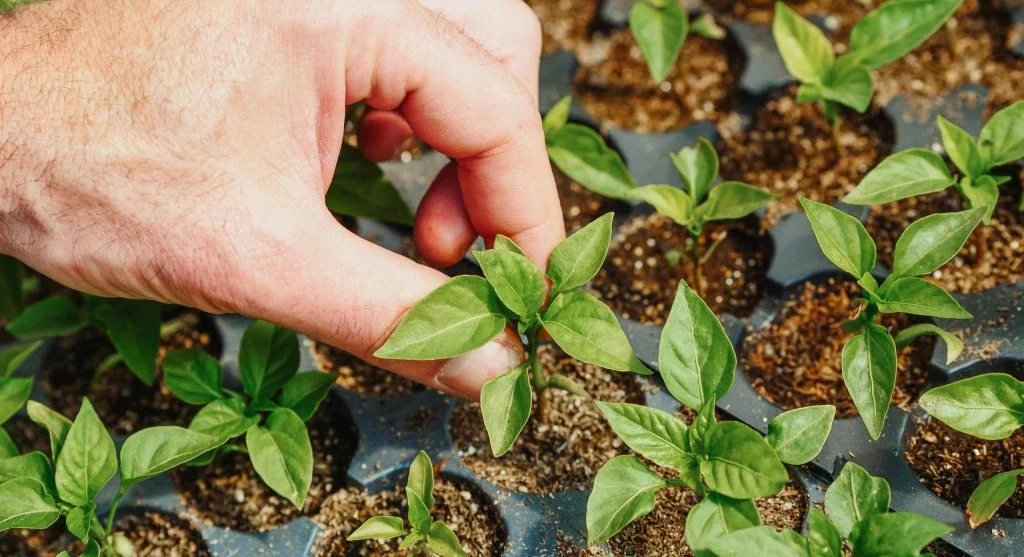
As summer crops are harvested and removed, empty bed space often sits unused for weeks. That space could still be producing cool-season crops for fall and early winter harvest. Lettuce, spinach, kale, radishes, turnips, and cilantro can all be direct-sown into cleared beds through mid-August in most temperate zones, providing harvestable food for another two to three months. This succession-planting method, covered in more detail in earlier articles in this series, turns the end of the summer garden from a slow decline into a second productive season.
Neglecting Post-Harvest Soil Care
Empty beds left bare through fall and winter are vulnerable to erosion, nutrient leaching, compacted surface crusts, and winter weed growth that creates extra work in spring. Covering empty beds with a cover crop sown in September or October, or with a thick layer of shredded leaves or straw, helps protect soil structure, feed soil biology, and suppress weeds during the dormant months. Adding a two-to-three-inch layer of compost before applying the winter cover combines nutrient replacement and soil protection in one simple step.