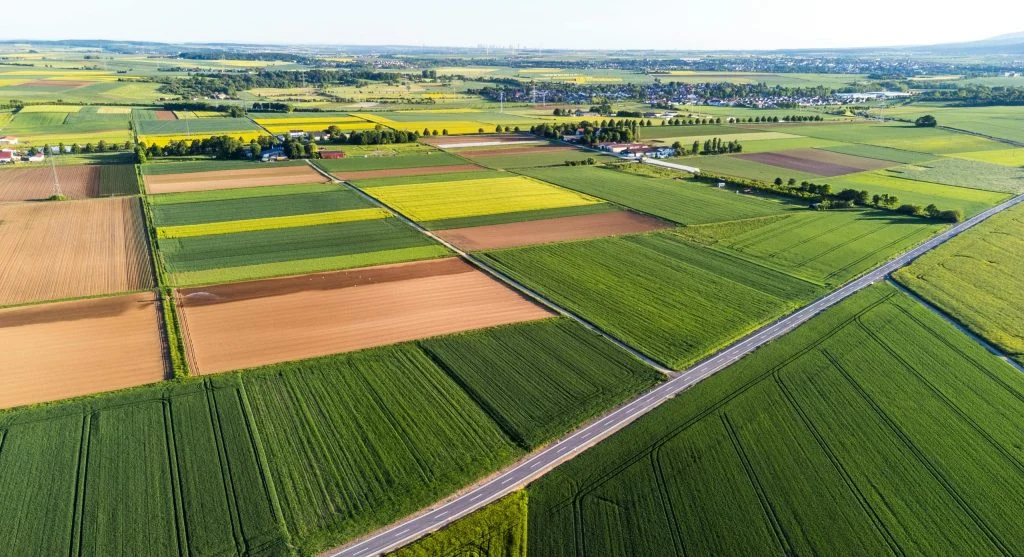


For many gardeners, November feels like the end of the growing season. Most summer crops are finished, garden beds are being cleaned up, and winter seems just around the corner. But while the garden above ground may appear to be winding down, a few carefully chosen crops can still be planted before winter arrives.
These plants spend the colder months quietly establishing roots or remaining dormant. When temperatures begin to rise in late winter and early spring, they resume growing almost immediately—well before most spring seeds can even be planted. The reward is one of the earliest harvests of the gardening year, often providing fresh produce weeks ahead of traditional spring planting.
With just a few hours of work in November, you can set the stage for productive harvests while the garden rests through winter.
Garlic: The Most Important November Crop
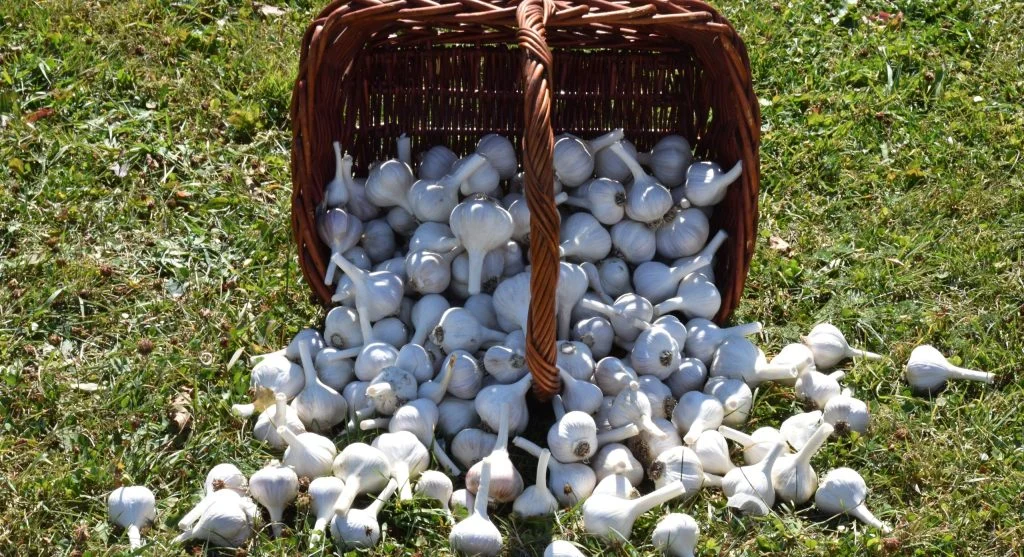
Garlic remains one of the best vegetables to plant in November. As discussed in earlier articles, cloves planted in late autumn develop strong root systems before the ground freezes. During winter, the plants enter dormancy, then begin growing again as soon as spring temperatures rise.
Because garlic has several extra months to establish itself underground, it typically produces much larger bulbs than garlic planted in spring. The extended growing period gives the roots more time to develop, resulting in healthier and more productive plants.
For most temperate climates, November is the final opportunity to plant garlic successfully. Ideally, cloves should have four to six weeks of unfrozen soil to develop roots before winter conditions fully arrive.
Planting Overwintering Onions
Certain onion varieties are specifically bred to survive the winter after being planted in autumn. Rather than starting from seed in spring, these onions establish themselves before cold weather, remain dormant through winter, and resume rapid growth as soon as temperatures increase.
Popular overwintering varieties include Walla Walla, Yellow of Parma, and several Japanese overwintering onions. Planting sets or transplants in November and protecting them with approximately four inches of straw mulch helps insulate them during freezing weather.
Once spring arrives, these onions begin growing immediately and are often ready for harvest by June—roughly four to six weeks earlier than onions planted in spring.
Grow Spinach Through Winter Under Protection
Spinach is another excellent crop for late autumn planting when given a little protection.
Seeds sown in November beneath a cold frame or heavy row cover germinate and produce small leaf rosettes before winter fully arrives. Growth slows dramatically during the coldest months, but the plants remain established and ready to respond as conditions improve.
As daylight increases in late February and early spring temperatures begin to rise, overwintered spinach quickly resumes active growth. In many gardens, leaves are ready to harvest by March—six to eight weeks before spinach planted in spring reaches the same stage.
Cold frames and row covers help prevent severe winter damage while allowing the plants to develop healthy root systems throughout the dormant season.
Don’t Forget Spring-Flowering Bulbs
Although they aren’t edible, spring-flowering bulbs are another important November planting task.
Tulips, daffodils, crocuses, hyacinths, and ornamental alliums all require several weeks of cold soil to complete the natural dormancy period that triggers spring blooms.
For most growing regions, November provides the final opportunity to plant these bulbs before the ground freezes. Once spring arrives, they reward gardeners with colorful displays that appear alongside the earliest vegetable harvests.
Plant Cover Crops While Beds Are Empty
November is also the last practical opportunity to sow winter rye, one of the most cold-hardy cover crops available.
Broadcast over empty beds during early or mid-November, winter rye can germinate in soil temperatures as low as 34°F (1°C). The plants establish roots before winter, remain dormant during the coldest months, and begin growing vigorously again in early spring.
A few weeks before planting spring vegetables, the rye can be cut down and incorporated into the soil. As it decomposes, it adds valuable organic matter, improves soil structure, and helps suppress weeds—providing benefits long before the next growing season begins.
Key Takeaway
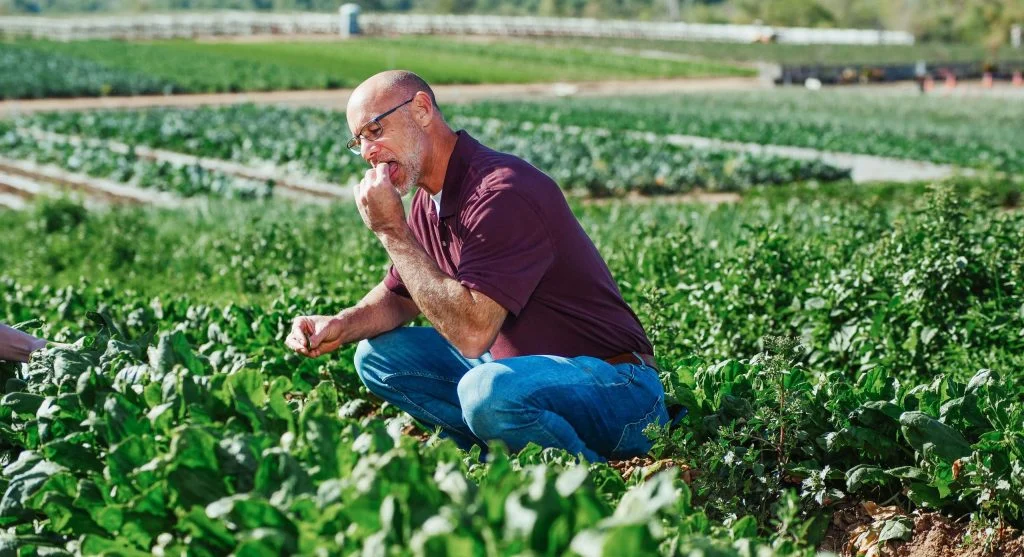
Planting in November can provide some of the earliest harvests of the following year. Garlic establishes roots before winter and produces larger bulbs than spring-planted crops. Overwintering onions resume growth early and are often ready to harvest by June, while protected spinach can provide fresh leaves as early as March. Winter rye improves soil health throughout the colder months, and spring-flowering bulbs should also be planted before the ground freezes. A small amount of work in late autumn creates a valuable head start that simply isn’t possible with spring planting alone.