
Septoria leaf spot, caused by the fungus Septoria lycopersici, is one of the two most common foliar diseases found on tomato plants in home gardens. It shares that place with early blight, which is covered in an earlier article in this series. While early blight creates larger spots with concentric-ring, bull’s-eye patterns, Septoria produces many small spots, usually 1/16 to 1/4 inch across, with tan or gray centers and dark brown edges. When viewed closely, tiny black dots may appear in the center of each spot. These black dots are the fruiting bodies of the fungus, which produce the spores that spread the disease to new leaves.
Septoria leaf spot can move quickly when conditions are favorable, especially during warm, wet weather with temperatures between 60°F and 80°F. If left unmanaged, it can defoliate the lower two-thirds of a tomato plant within just a few weeks. Like early blight, Septoria usually does not kill the plant outright, but it can greatly reduce fruit production by removing the leaf area the plant needs for photosynthesis.
Distinguishing Septoria From Early Blight
These two diseases are often confused because both cause brown spots on tomato leaves and both usually begin on the lowest, oldest foliage. The key differences are spot size, spot pattern, and the presence of tiny black fruiting bodies. Septoria spots are smaller and appear as many tiny spots rather than a few larger ones. They usually have a clear tan center with a dark border and do not show the concentric rings seen in early blight. The small black dots in the center of Septoria spots can often be seen with a hand lens, and sometimes even with sharp naked eyes.
Both diseases are managed with similar cultural practices and treatments, so confusing one for the other does not usually change the response very much. However, accurate identification helps the gardener understand which pathogen is present and make better variety choices in future seasons.
Cultural Prevention: The Same Strategies That Fight Early Blight
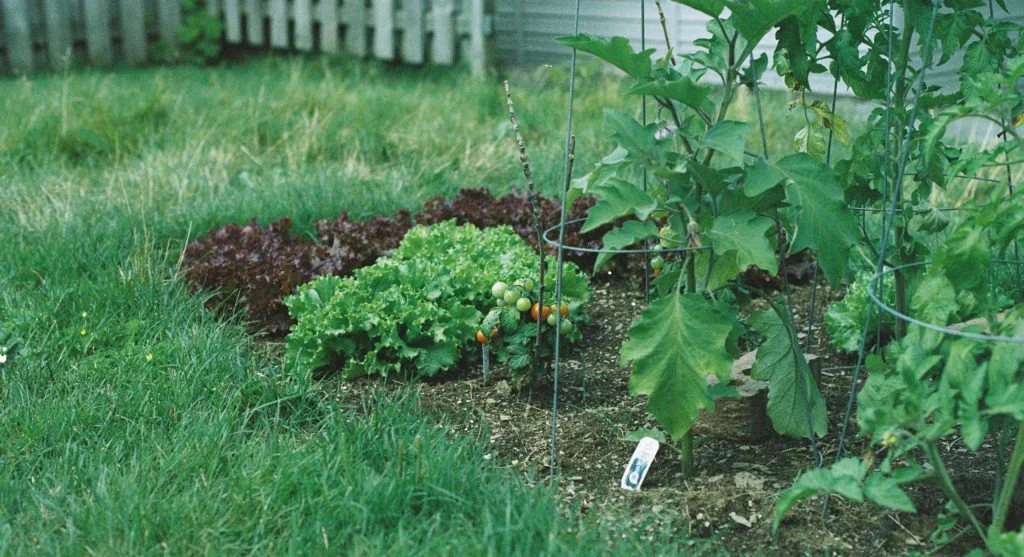
The cultural practices that reduce Septoria leaf spot are the same ones used to manage early blight. Remove the lowest 12 to 18 inches of foliage to eliminate the leaves most likely to be infected by spores splashing up from the soil. Mulch heavily to keep rain from splashing spores onto remaining leaves. Water at the base of the plant rather than overhead, space plants widely to improve air circulation, and rotate tomatoes into different beds each year so spores do not build up in the soil.
Staking or caging tomato plants also helps by keeping foliage off the ground and reducing contact between leaves and soil-borne spores.
Treatment Options
Copper-based organic fungicides and Bacillus subtilis biofungicides, the same products often used against early blight, can help suppress Septoria when applied preventively or as soon as symptoms appear. Spraying should begin when the first spots are noticed and continue every seven to ten days through the season. Heavily infected leaves should be removed and disposed of, not composted, to lower the amount of spores inside the plant canopy.
As with early blight, these treatments slow disease progression rather than curing tissue that is already infected. For the best results, the first application must happen early.
Variety Resistance
Unlike early blight, where meaningful varietal resistance is available, true Septoria resistance in commercially available tomato varieties is still limited. Some varieties sold as “disease-resistant” may offer tolerance that reduces symptom severity, but they do not fully prevent infection.
For gardeners in areas where Septoria appears every year, the best results come from combining resistant or tolerant varieties with strong cultural prevention and early fungicide application. This layered approach gives tomato plants the best chance of staying productive throughout the season.