
October is the garden’s closing chapter the last real chance to handle the jobs that decide whether next spring begins with a healthy, well-prepared growing space or a neglected mess that takes weeks to bring back into shape. Some of the most important work for next year’s garden happens in October, just as the current season’s crops are winding down and the garden begins moving toward dormancy. Miss this window, and you lose a full year of soil-building, pest-reduction, and infrastructure-maintenance benefits that only off-season work can provide.
Harvest Everything That Remains
Any mature vegetables still on the vine should be harvested before a hard frost damages them. This includes winter squash, pumpkins, remaining tomatoes, root crops, and late herbs. Green tomatoes can still ripen indoors. Place them in a paper bag with a ripe banana or apple, and the ethylene gas will help them ripen over the next two to three weeks.
Root crops such as carrots, beets, turnips, and parsnips can stay in the ground through light frosts without harm. However, they should be harvested before a hard freeze makes the soil too solid to dig.
Plant Garlic
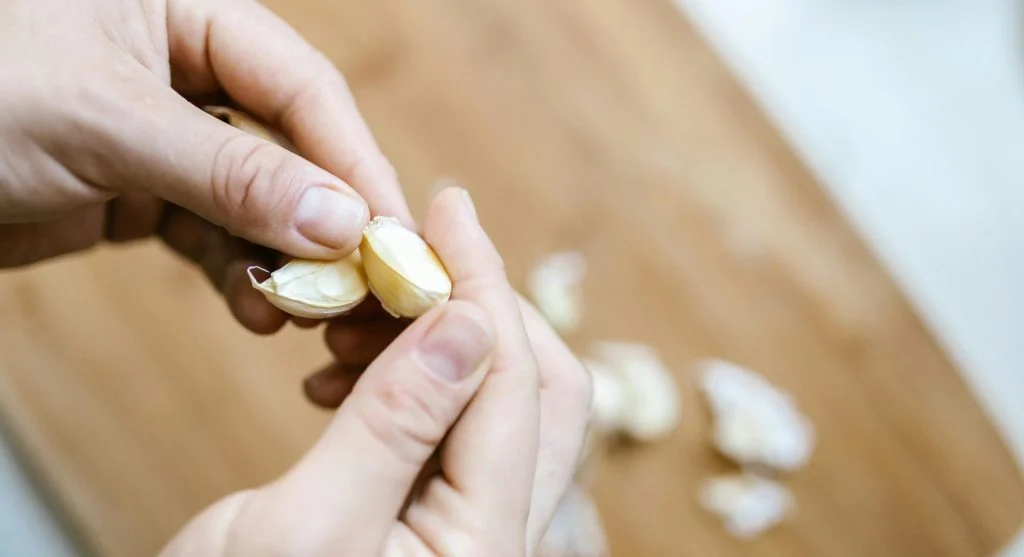
October is the ideal time to plant garlic in most temperate zones. Cloves planted four to six weeks before the ground freezes have time to develop roots through fall and early winter. Then, when spring arrives, they send up strong green growth and eventually produce bulbs that are much larger than garlic planted in spring.
Plant individual cloves from seed garlic, not grocery store garlic, with the pointed end facing up. Set them two inches deep and space them six inches apart. After planting, mulch heavily with four to six inches of straw or shredded leaves.
Credit: RDNE Stock project / Pexels
Remove Spent Crops and Diseased Plant Material
All finished annual vegetables should be pulled up completely, roots and all. If the plants were disease-free, they can go into the compost pile. If they showed any signs of disease during the season, bag them for disposal instead.
Leaving dead plant material in the garden over winter gives disease spores, pest eggs, and slug populations a place to survive until spring. Those problems can return as soon as new crops are planted. Tomato cages, stakes, and trellises should also be cleaned and stored under cover.
Add Compost and Amendments
Fall is the best time to add compost, aged manure, lime if the soil pH needs to be raised, and other slow-acting amendments. These materials have all winter to break down and blend into the soil before spring planting begins.
Spread two to three inches of finished compost across empty beds and lightly work it into the surface. This creates the nutrient foundation that spring crops will rely on during their most important early growth stage.
Plant Cover Crops or Apply Winter Mulch
Empty garden beds should not be left bare through winter. Sow a cover crop, such as winter rye in cold zones or crimson clover in moderate zones, or cover the soil with four to six inches of shredded leaves or straw as winter mulch.
Both options help prevent erosion, reduce winter weed growth, and protect the soil biology built up through annual compost additions.
Prepare Cold Frames and Season Extenders
Cold-hardy crops that are still producing in October, including kale, spinach, lettuce, and carrots, can keep growing well into November and December with the help of row covers or cold frames. Installing these protective structures before the first hard freeze can make the difference between a garden that keeps producing food into the holidays and one that stops suddenly after the first frost.
Drain and Store Irrigation Equipment
Hoses, drip irrigation lines, and sprinkler systems should be drained completely before freezing temperatures arrive. Store them indoors or in a protected location.
Water left inside irrigation equipment can freeze, expand, and crack fittings, emitters, and hose walls. This damage is easy to prevent with autumn drainage, but it can be expensive and frustrating to fix in spring.
Credit: Skyler Ewing / Pexels