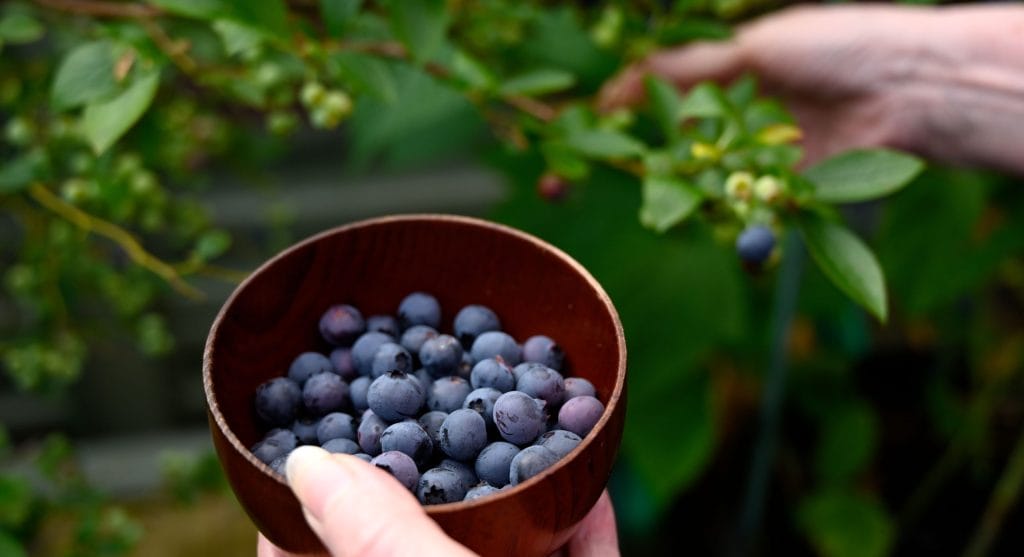

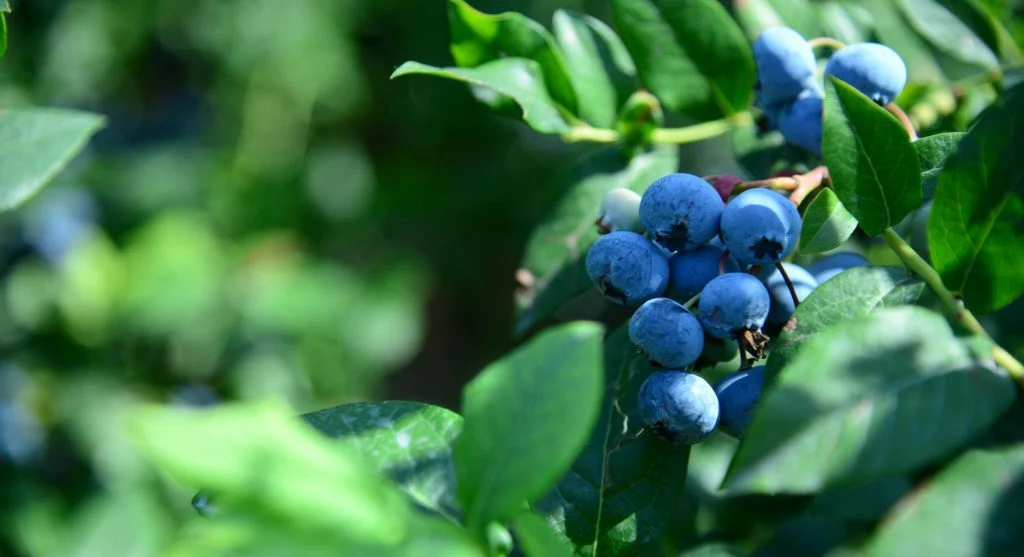
Blueberries are one of the most rewarding fruit crops a home gardener can grow. One mature blueberry bush can produce 5 to 10 pounds of fruit in a season, the plants are attractive enough to double as ornamental landscaping, and a well-cared-for bush can keep producing for 20 to 30 years. Since fresh blueberries at the grocery store often cost 4 to 6 dollars per pint, a small home blueberry planting can be one of the highest-return crops you can add to a garden. Even with their long productive life and generous yields, many home gardeners stay away from blueberries because they have a reputation for being difficult. In truth, blueberries mainly have one requirement that must be handled correctly — acidic soil. Once that is taken care of from the start, the plants are surprisingly easy to maintain.
The Acid Soil Requirement: Non-Negotiable
Blueberries need soil with a pH between 4.5 and 5.5, which is much more acidic than the 6.0 to 7.0 range preferred by most vegetables and ornamental plants. If blueberries are planted in neutral or alkaline soil with a pH above 6.0 without proper amendment, they can develop iron chlorosis, which shows up as yellowing leaves with green veins. Growth becomes weak and stunted, and over time the plant may die no matter how well the rest of its care needs are met. That is why a soil test before planting is essential. If the native soil pH is higher than 5.5, the planting area needs to be amended with elemental sulfur, which lowers pH gradually over several months, peat moss, which is naturally acidic, or a mix of both. The amount of sulfur required depends on the starting pH and the soil type. Sandy soils need less sulfur to reach the same pH change than clay soils. Extension offices can provide specific amendment rates based on soil test results.

Choosing the Right Varieties
Blueberry varieties are generally grouped into three main types based on the climates where they grow best. Northern highbush varieties, including Bluecrop, Duke, Patriot, and Jersey, are the most widely grown. They perform well in zones 4 through 7 and produce the largest berries. Southern highbush varieties, such as Jubilee, Sunshine Blue, and O’Neal, are bred for warmer areas with mild winters in zones 7 through 10 and need fewer winter chill hours to set fruit. Rabbiteye varieties, including Climax, Tifblue, and Powderblue, handle heat and drought better than highbush types and are especially well suited to the southeastern United States. Even though many blueberry varieties are technically self-pollinating, planting at least two different varieties of the same type improves cross-pollination and can increase both berry size and overall yield.
Planting and Establishing Young Bushes
Blueberry plants should be spaced four to six feet apart in a spot that receives full sun, meaning at least six to eight hours of sunlight each day, and has well-drained soil. The planting hole should be dug two to three times wider than the root ball, but only as deep as the root ball itself. Blueberries have shallow roots that spread outward rather than growing deeply into the soil. Backfill the hole with a 50/50 mix of native soil and peat moss or pine bark fines to create an acidic environment around the roots. After planting, spread four to six inches of acidic mulch, such as pine needles, pine bark, or shredded oak leaves, over the root zone. This mulch helps maintain soil acidity, conserve moisture, and keep weeds down. Blueberry roots are very sensitive to competition from grass and weeds, so keeping a weed-free area around each bush is especially important during the first two to three years while the plants are getting established.
Ongoing Care: Feeding, Watering, and Pruning
Blueberries should be fertilized with an acid-forming fertilizer, such as ammonium sulfate or a commercial azalea/rhododendron formula, in early spring when new growth begins and again six weeks later. They should never be given fertilizers that contain nitrate nitrogen, such as calcium nitrate or potassium nitrate, because blueberry roots cannot absorb nitrogen efficiently in nitrate form. Steady moisture is also important. Blueberries need one to two inches of water per week and can show drought stress quickly, but waterlogged soil can be just as harmful. Drip irrigation placed under the mulch layer gives the plants the best balance of consistent moisture and good drainage.
Pruning should be kept minimal during the first three years. Remove only dead, damaged, or crossing branches. Starting in the fourth year, annual winter pruning should focus on removing the oldest canes, especially those thicker than one inch in diameter, to encourage strong new growth that produces larger and more abundant berries. A properly maintained blueberry bush should have a mix of one-year, two-year, and three-year canes, with the oldest canes removed on a rotating basis each winter.