
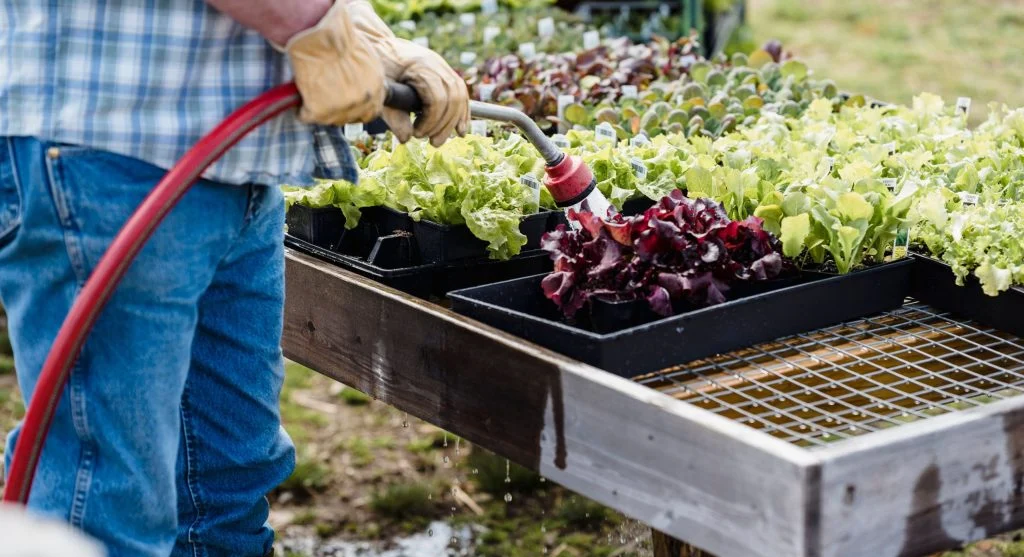
gardeners treat it as a spring-only crop that bolts and turns bitter as soon as summer heat arrives. In reality, lettuce can be harvested in every month of the year in most temperate climates when the gardener combines three simple techniques: succession planting, choosing varieties suited to each season, and using basic cold protection to extend the harvest through winter. The result is a steady, year-round supply of fresh salad greens from a surprisingly small growing area.
Spring: The Easiest Season for Lettuce
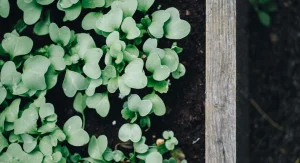
Spring is the simplest season for growing lettuce. Lettuce germinates in cool soil, usually between 40°F and 65°F, and grows quickly during the mild temperatures of March through May. Direct-sowing a small batch of loose-leaf lettuce every two weeks, beginning four to six weeks before the last frost date, creates a rolling harvest that starts in April and continues through late May.
Loose-leaf varieties such as Green Salad Bowl, Red Sails, and Oak Leaf are ideal for succession planting because they reach harvestable size in 30 to 45 days. They also work well for cut-and-come-again harvesting, where the gardener snips the outer leaves while leaving the center growing point intact. This allows one planting to provide multiple harvests instead of only one cutting.
Summer: Beating the Heat
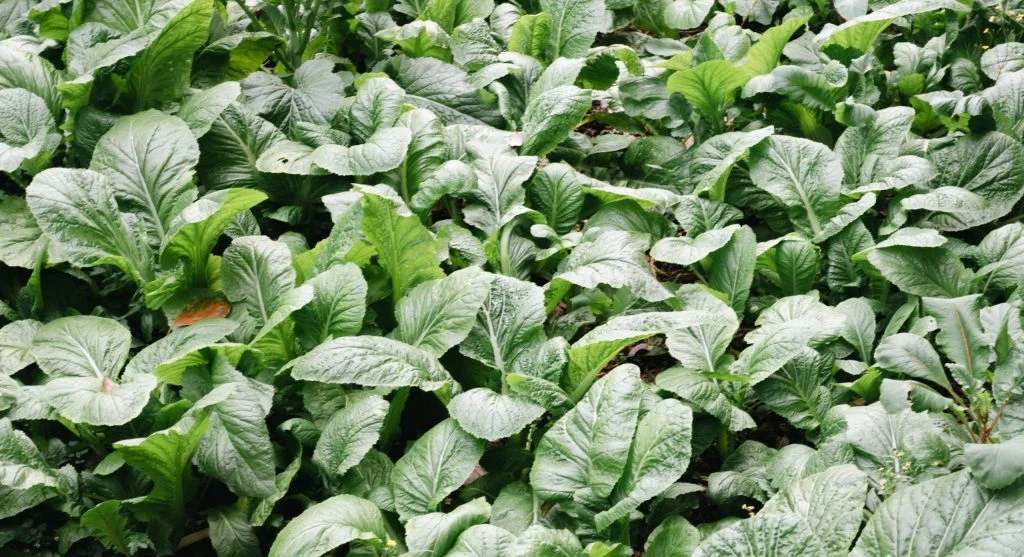
Lettuce bolts, meaning it sends up a flower stalk and becomes bitter, when daytime temperatures consistently rise above 80°F or when day length exceeds 14 hours. Many gardeners accept this as the end of lettuce season, but heat-tolerant varieties and smart shade management can keep lettuce production going through summer with a few adjustments.
Varieties bred for bolt resistance, including Jericho, Nevada, Muir, and Summer Bibb, handle heat much better than standard types. Planting lettuce in partial shade can also help. This may mean growing it beneath taller crops such as tomatoes or pole beans, or using shade cloth that reduces light intensity by 30 to 50 percent. These methods help keep soil and leaf temperatures below the bolting threshold.
Succession plantings every two weeks can continue through summer, with the understanding that summer lettuce grows faster but usually has a shorter harvest window per planting than lettuce grown in spring or fall.
Fall: The Second Peak Season
Fall-planted lettuce often produces the highest-quality leaves of the year. The cooler temperatures and shorter days that mark the end of the season for warm-weather crops create nearly ideal conditions for lettuce. Cool nights improve sweetness, reduced insect pressure leads to cleaner leaves, and the bolting trigger is no longer a concern.
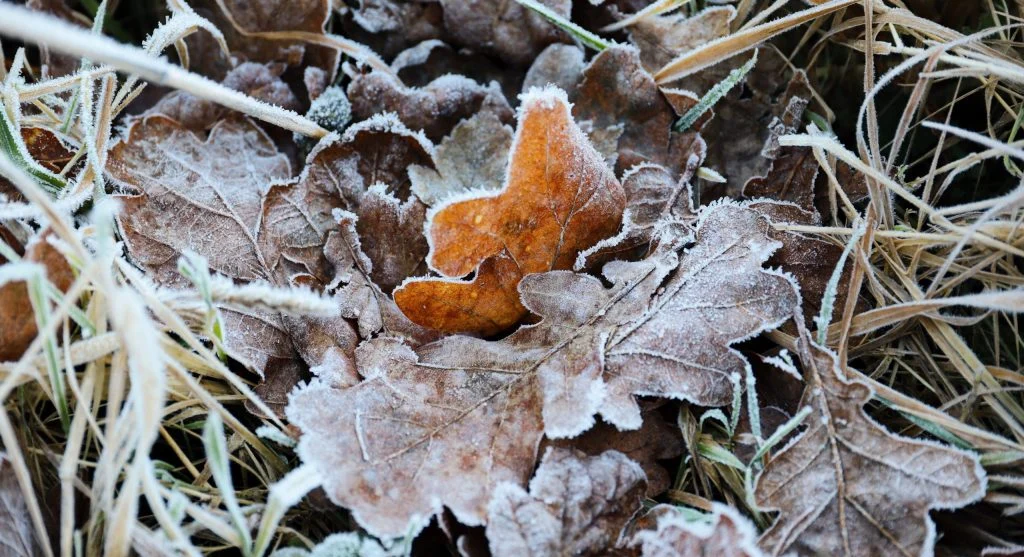
Sowing lettuce every two weeks from mid-August through late September, adjusted for local frost dates, provides continuous harvests from October through December. As temperatures drop below freezing, covering the lettuce with floating row cover or a simple cold frame can extend the harvest into December and beyond.
Winter: Cold Frames and Indoor Growing
Under a cold frame or low tunnel, cold-hardy lettuce varieties such as Winter Density, North Pole, Arctic King, and Rouge d’Hiver can survive temperatures as low as 20°F and continue producing harvestable leaves through winter in zones 6 and warmer. Growth slows sharply during the shortest days, from late December through mid-January, but it does not stop completely. The plants continue in a slow-motion state of production, offering small but steady harvests when almost nothing else in the garden is growing.
In colder zones, such as zones 4 and 5, or for gardeners without cold frames, indoor growing under a basic LED grow light can provide fresh lettuce year-round. A single two-foot-by-four-foot growing tray under a shop light can produce enough lettuce for two to three salads per week continuously.