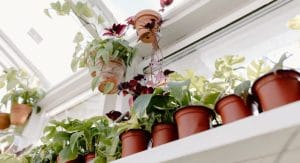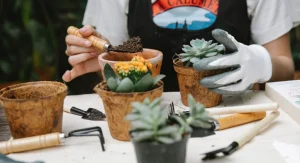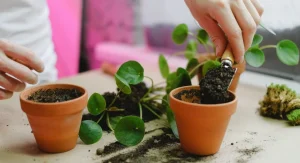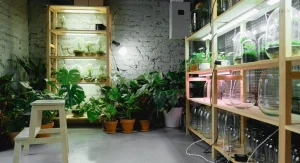

Moving houseplants outdoors for the summer is one of the best things a plant owner can do for healthier growth. The much brighter light, better air circulation, natural temperature changes, and occasional rain exposure outside can encourage growth that indoor conditions usually cannot match. Plants that have stayed stagnant indoors for months may suddenly produce new leaves, stems, and even flowers within weeks of being moved outside. But this transition needs care. Plants used to the steady, controlled indoor environment can suffer serious damage or even die if they are moved straight into full outdoor conditions without a gradual acclimation period.
When to Move Plants Out and When to Bring Them Back
Most tropical houseplants can be moved outdoors once nighttime temperatures consistently stay above 55°F. This is usually late May in zones 6 and 7, mid-May in zone 8, and late April in zones 9 and 10. The 55°F mark matters because many popular houseplants, including fiddle leaf figs, calatheas, pothos, and monsteras, are tropical plants that can suffer cellular damage when exposed to temperatures below 50°F.
Plants should be brought back indoors in fall when nighttime temperatures begin approaching 55°F again. Waiting until temperatures fall below 50°F increases the risk of cold damage, which may not appear for days or even weeks after exposure.
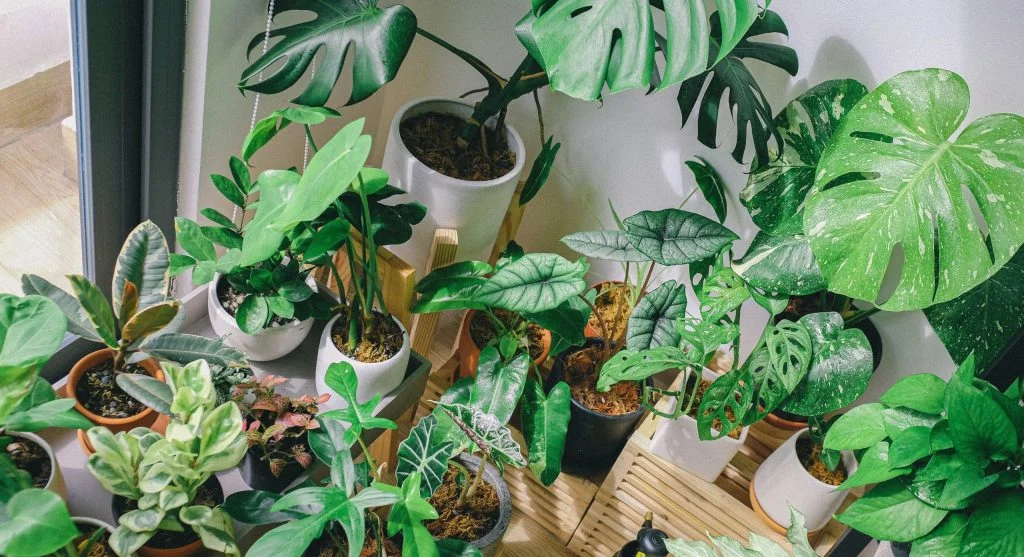
The Acclimation Process: Gradual Is Non-Negotiable
Indoor plants usually have thin, delicate leaf tissue with underdeveloped UV protection. They do not have the same strong waxy cuticle layer that helps outdoor plants handle intense sun. Moving a houseplant directly from an indoor windowsill to a full-sun outdoor spot can cause quick sunburn. This often shows up as large bleached or brown patches on the leaves, usually on the side of the plant facing the sun. The damage is permanent on those leaves and can be severe enough to make the entire plant drop foliage.
The acclimation process works much like hardening off seedlings. Start by placing the plant in a fully shaded outdoor location, such as under a tree canopy, on a covered porch, or beside a north-facing wall, for the first five to seven days. During the following week, slowly move the plant into increasing amounts of morning sun. Begin with one to two hours of early morning light, then add another hour every two to three days.
After two weeks of gradual exposure, most houseplants can handle their permanent summer light conditions. For most tropical species, that should mean bright indirect light or morning sun with afternoon shade, not full midday sun.
Outdoor Placement and Care Adjustments
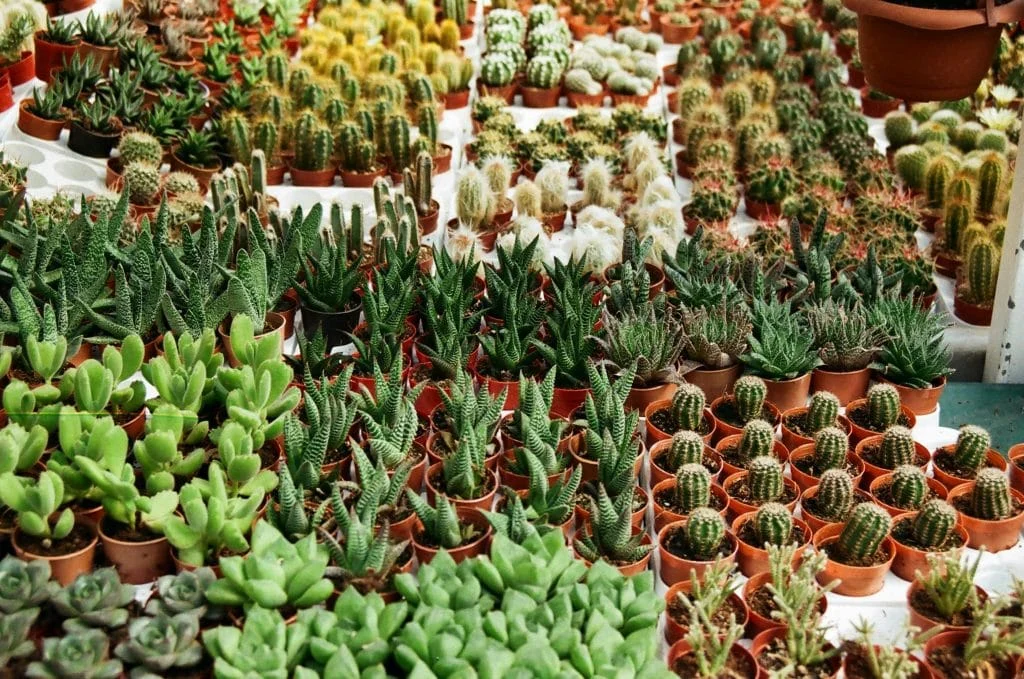
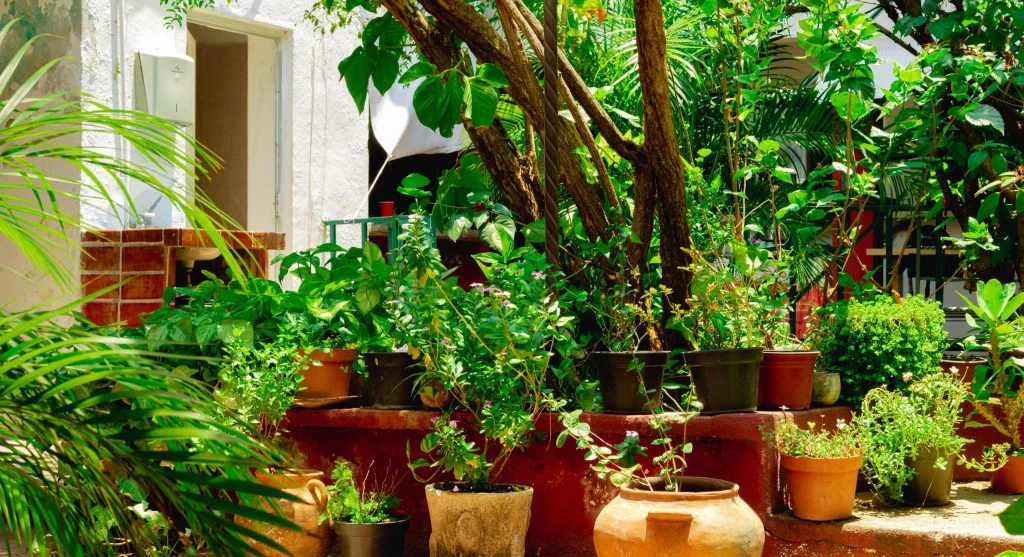
Most houseplants do best outdoors under the dappled light of a tree canopy or on a covered porch that provides bright indirect light without harsh midday sun. Succulents and cacti are exceptions. They can tolerate and benefit from several hours of direct sun, though they still need to be acclimated gradually.
Outdoor plants dry out faster than indoor plants because of wind and warmer temperatures, so watering usually needs to become more frequent. Instead of checking soil moisture every three to five days as many people do indoors, outdoor plants may need checking every one to two days. Rain can provide excellent natural watering, but it can also waterlog plants in containers without drainage holes. Placing pots on pot feet or small blocks helps excess water drain freely after heavy rain.
Outdoor plants are also exposed to pests they may rarely face indoors. Aphids, spider mites, mealybugs, slugs, and caterpillars can all settle on houseplants while they are outside. Regularly checking leaf undersides and stem junctions, along with treatment when needed, helps prevent these pests from being brought indoors in fall.
The Fall Return: Bringing Plants Back Inside
Before moving plants back indoors, each one should be inspected carefully and treated for outdoor pests. A gentle rinse with the hose, followed by spraying all surfaces with insecticidal soap, can remove most hitchhiking insects.
Plants should then spend one to two weeks in a bright indoor location, preferably near the sunniest window available, as a reverse acclimation period. The sudden drop in light from outdoors to indoors can cause leaf drop if the change is too abrupt. Some leaf drop during this transition is normal and does not usually mean there is a serious problem. Within a few weeks, the plant will begin producing new leaves better adapted to indoor light conditions.
Key Takeaway
Moving houseplants outdoors for the summer can greatly boost growth, but the move should be done slowly to avoid sunburn and plant shock. Begin by keeping them in full shade for 5–7 days, then gradually increase their light exposure over the next week. Most tropical houseplants do best in bright indirect light or gentle morning sun with afternoon shade.
Move plants outside only when nighttime temperatures consistently stay above 55°F, and bring them back indoors before temperatures fall to 50°F. Before returning them inside, inspect and treat for pests. Some leaf drop is normal during the transition as plants adjust again to lower indoor light levels.