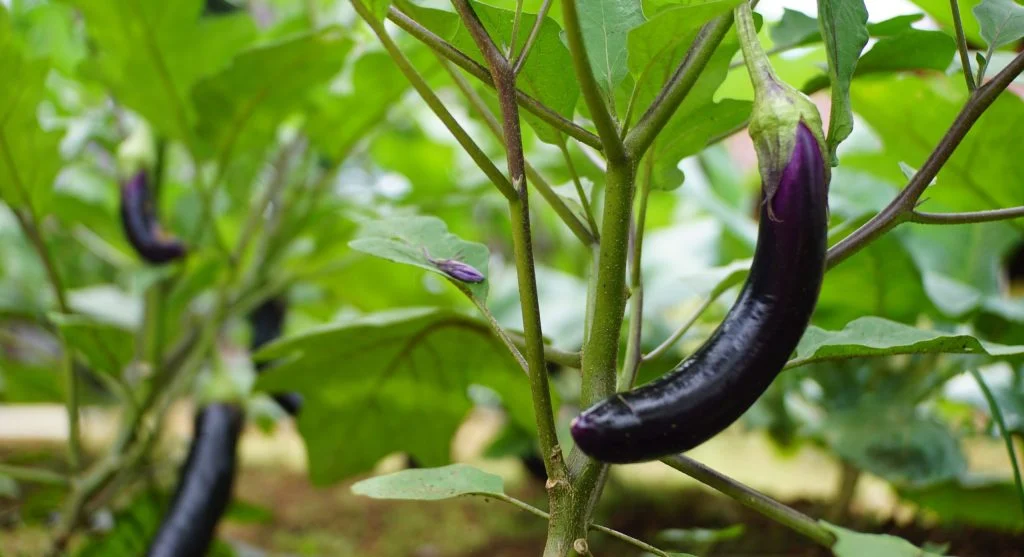

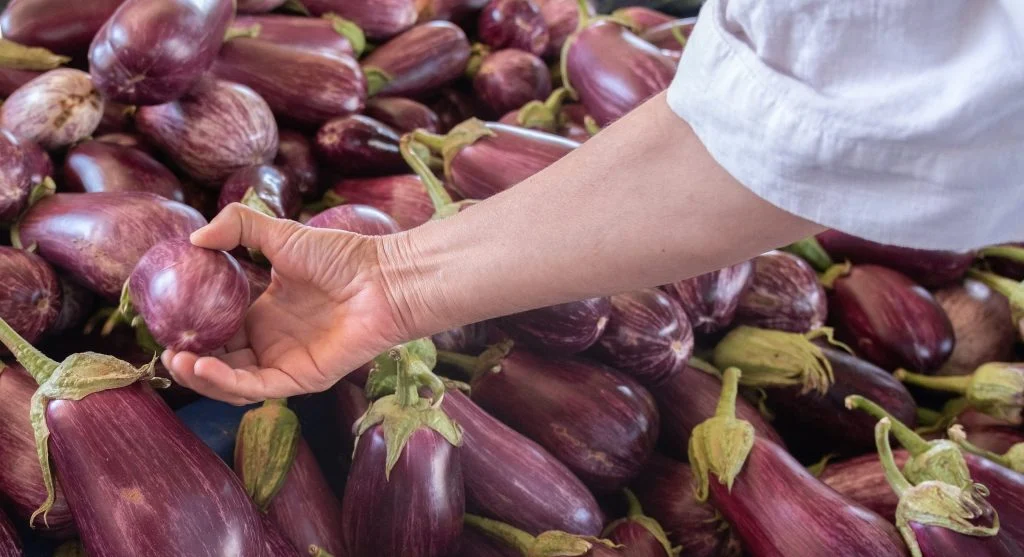
Eggplant is one of the most heat-loving vegetables a home gardener can grow. It is a tropical plant that needs steady warmth to grow well, flower properly, and produce fruit. In the long, hot summers of the southern United States, eggplant usually thrives with very little special care. In northern climates, where the season is shorter and nights stay cooler, eggplant has a reputation for being difficult. Plants may grow slowly, drop flowers, or produce small fruit that barely ripens before the first frost arrives. But northern gardeners who understand eggplant’s heat needs and use a few targeted techniques can grow impressive harvests, sometimes even matching southern gardens, by creating the warm microclimate this crop needs.
Start Early Indoors Earlier Than Tomatoes
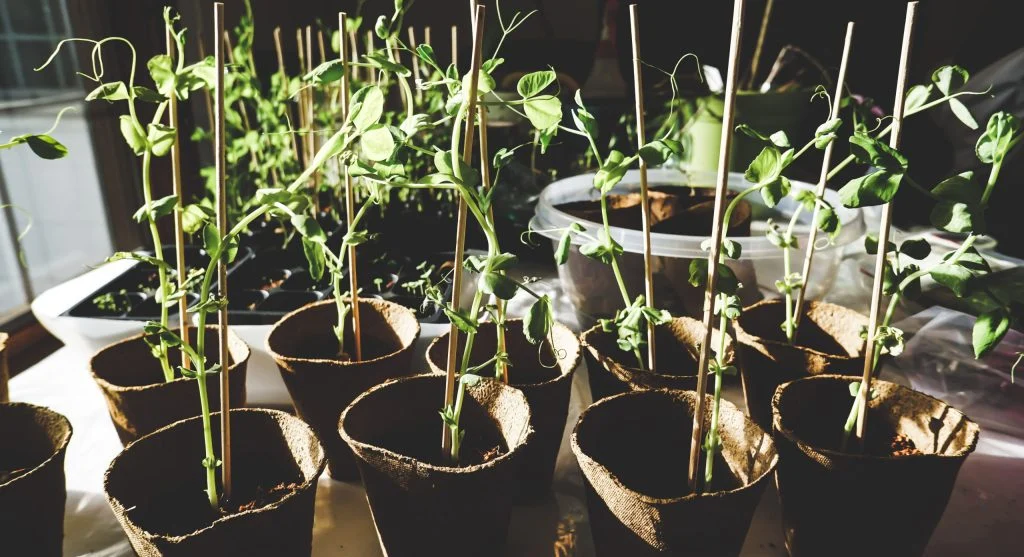
Eggplant seedlings grow more slowly than tomatoes or peppers and need 8 to 10 weeks indoors before transplanting. That is about two to three weeks longer than tomatoes usually require. In zone 5, where the last frost date often falls in mid-May, eggplant seeds should be started indoors in early to mid-March. Seeds germinate best when the soil temperature stays between 80°F and 85°F, so a heat mat is highly recommended. Germination usually takes 7 to 14 days. Once the seeds sprout, seedlings need strong light, ideally 14 to 16 hours under a grow light, along with warm daytime temperatures around 70°F to 75°F. These conditions help produce stocky, vigorous transplants that establish quickly once moved outdoors.
Warm the Soil Before Transplanting
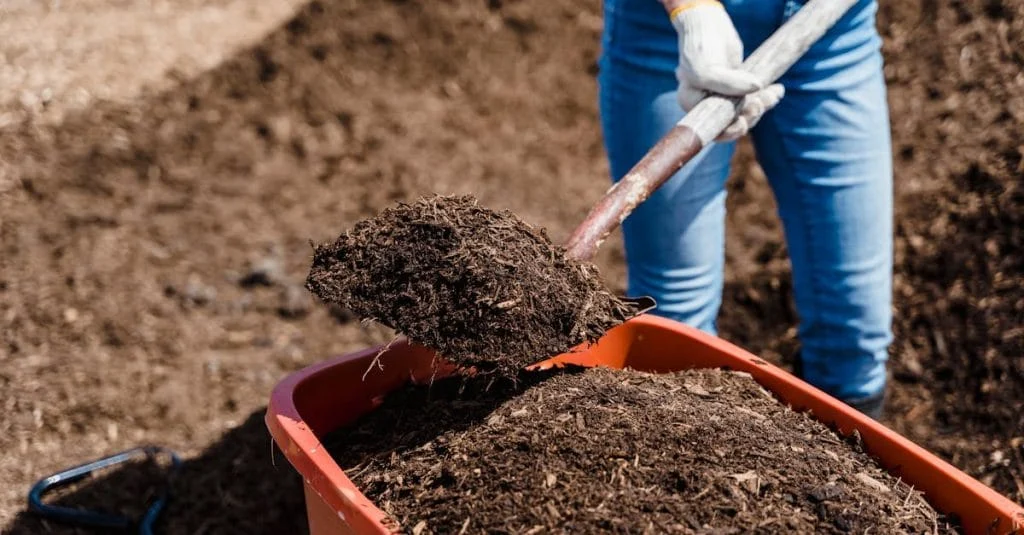
Eggplant roots slow down or stop functioning properly in soil below 60°F and perform best when soil temperatures reach 70°F or higher. Transplanting eggplant into cold spring soil, even when the air feels warm, can stall growth for weeks while the plant sits under stress. Laying black plastic mulch over the planting bed two to three weeks before transplanting can raise soil temperature by 8 to 12 degrees at a four-inch depth. This creates the warm root zone eggplant needs to settle in and start growing quickly. Cutting holes in the plastic and planting transplants through those openings combines soil warming with weed suppression and moisture conservation throughout the season.
Select Short-Season Varieties
Standard eggplant varieties such as Black Beauty and Florida Market usually need 75 to 85 days from transplanting to first harvest. That timeline works well in southern gardens, but it can push too close to the first frost in zones 4 and 5. Short-season varieties bred for northern climates shorten that window to about 55 to 65 days. Ichiban, a long and slender Japanese-type eggplant, produces in about 58 days. Hansel, a compact plant with small fruit, matures in about 55 days. Early Long Purple, which has a more classic shape, takes about 65 days. All three can produce reliably in northern gardens when paired with early indoor starting and warm soil.
Season Extension: Row Covers and Wall-o-Waters
Protecting eggplant transplants with row cover or Wall-o-Water season extenders for the first three to four weeks after transplanting can add the equivalent of about two weeks to the growing season. These water-filled plastic teepees surround individual plants and help keep temperatures warmer around young transplants during the cool nights of late May and early June. This early boost speeds up growth during the period when northern eggplant plants often stall, bringing the first harvest forward by 10 to 14 days compared with unprotected plants. Row cover should be removed once daytime temperatures consistently rise above 80°F, because eggplant can overheat under cover during hot weather.