
Growing pumpkins is one of the most rewarding gardening projects for families. Large seeds are easy for children to handle and plant, the vines grow at an impressive pace, and the season ends with pumpkins that can be used for decorating, carving, and cooking. Because pumpkins are warm-season crops, they need between 85 and 120 days from planting to harvest, depending on the variety. That makes proper timing essential if you want ripe pumpkins by October. Fortunately, once a few basic needs are met warm soil, enough growing space, consistent moisture, and pollination support when bee activity is limited pumpkins are relatively easy to grow.
Choosing the Right Variety for Your Space
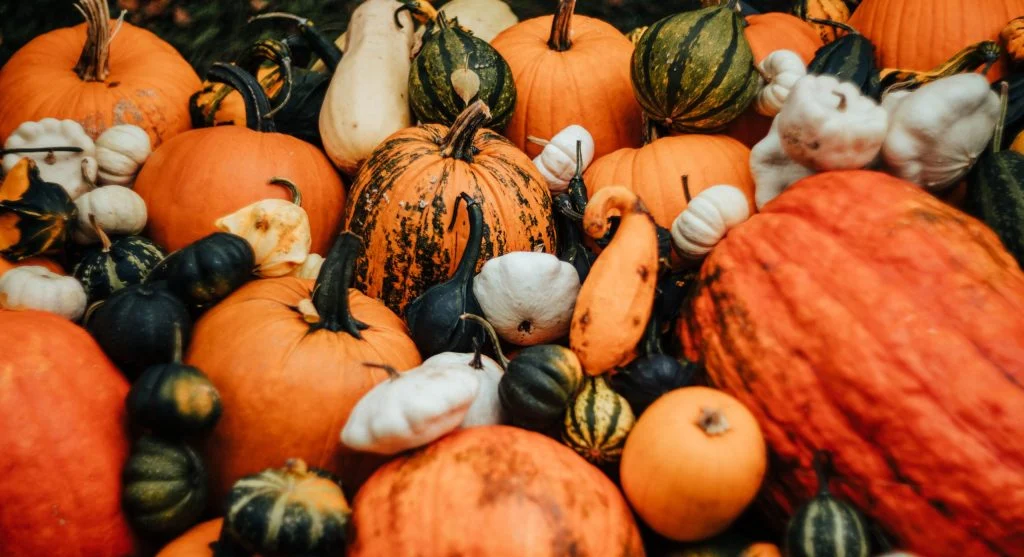
Pumpkin varieties range from compact bush plants that produce small decorative pumpkins to sprawling vines that can stretch more than 20 feet and produce large jack-o’-lantern or pie pumpkins.
For smaller gardens, bush varieties offer the best combination of manageable growth and reliable production. Good choices include Small Sugar, a pie pumpkin that typically weighs 5 to 8 pounds and matures in about 100 days; Jack Be Little, a miniature decorative pumpkin that grows just 3 to 4 inches across and reaches maturity in around 90 days; and Cinderella, a flattened decorative pumpkin that weighs 15 to 25 pounds but grows on shorter vines than many traditional varieties, maturing in about 110 days.
Gardeners with more room can grow classic jack-o’-lantern pumpkins such as Connecticut Field, which produces fruits weighing 15 to 25 pounds in approximately 120 days, or Howden, a traditional carving pumpkin that reaches 20 to 30 pounds and matures in about 115 days. These larger varieties require significant space, often 100 square feet or more per plant.
Planting: Timing and Soil Requirements
Pumpkins should be direct-seeded outdoors once the soil has warmed to at least 65°F at a depth of two inches and all risk of frost has passed. In most temperate regions, this falls between late May and mid-June.
Planting too early in cool soil can result in poor germination and weak seedlings, while planting too late may prevent pumpkins from fully ripening before the first fall frost.
Sow seeds one inch deep, placing two or three seeds in each planting hole. Space holes four to six feet apart for bush varieties and eight to twelve feet apart for larger vining types. After the seedlings emerge, thin them to the strongest plant in each location.
Because pumpkins are heavy feeders, they perform best in rich soil. Before planting, incorporate generous amounts of compost and work a balanced organic fertilizer into the growing area to provide the nutrients needed for vigorous growth throughout the season.
Managing Pumpkin Plants During the Growing Season
Once warm weather arrives, pumpkin vines can grow rapidly. During peak summer conditions, several inches of growth per day is common.
The vines produce tendrils that cling to nearby structures, while the large leaves create a dense canopy that naturally shades the soil and suppresses many weeds.
Consistent watering is essential for healthy growth and fruit development. Provide one to two inches of water per week, applying it directly to the soil rather than overhead. This helps reduce disease problems while preventing the moisture stress that can lead to blossom drop or poorly shaped pumpkins.
Applying mulch around the plants helps conserve soil moisture, regulate soil temperature, and keep developing pumpkins from resting directly on bare soil. This simple step can reduce both rot and pest damage.
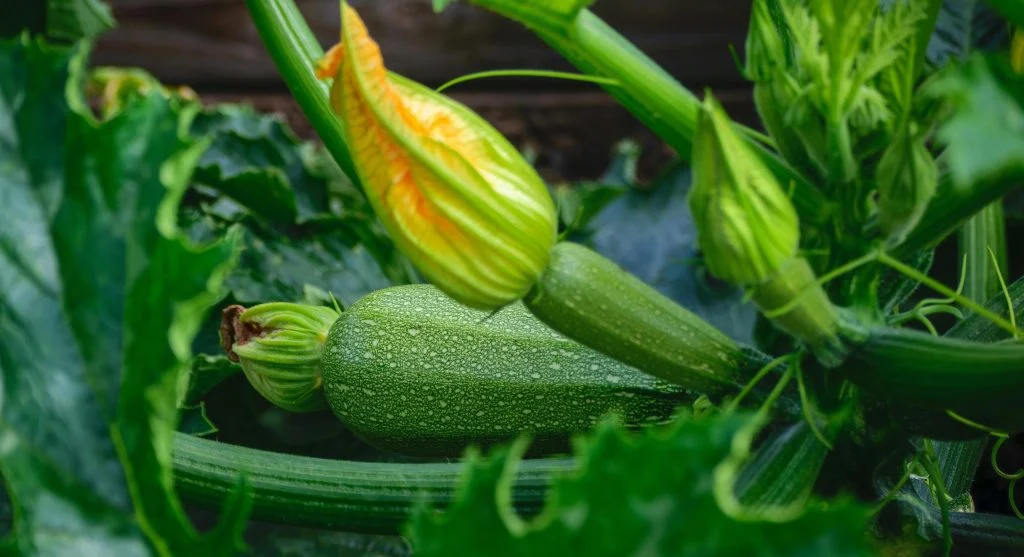
As the plants begin flowering, watch for female blossoms, which can be identified by the small round swelling at the base of the flower. In gardens where bee activity is limited—particularly in suburban areas or during periods of extreme heat—hand pollination with a small brush can improve fruit set and ensure a better harvest.
Harvesting and Curing Pumpkins
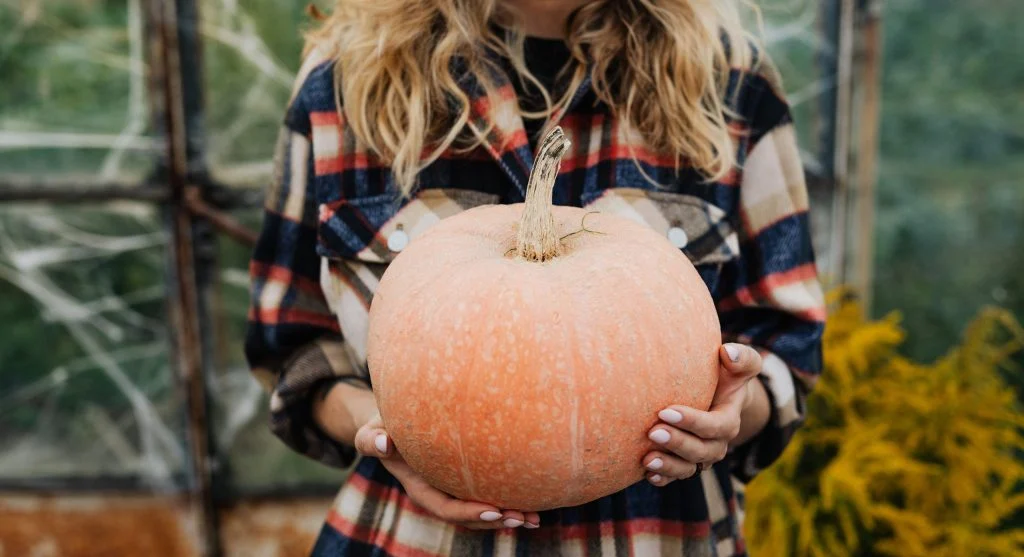
Pumpkins are ready to harvest when several signs appear. The rind should be fully colored, typically deep orange for most varieties. The skin should resist puncture from a fingernail, the stem attached to the fruit should be dry and brown, and the connecting vine should begin to dry as well.
Harvest pumpkins using a sharp knife or pruning shears, leaving four to six inches of stem attached. A longer stem helps extend storage life and reduces the chance of rot entering through the stem scar.
After harvest, pumpkins benefit from a curing period. Place them in a warm, dry location with temperatures between 80°F and 85°F for 10 to 14 days. This process hardens the skin and allows minor surface injuries to heal.
Once cured, store pumpkins in a cool, dry, and well-ventilated location with temperatures between 50°F and 60°F. Under proper conditions, most pumpkins will keep for three to six months, remaining usable well beyond Thanksgiving and often lasting into the winter holiday season.
Key Takeaway
Growing pumpkins successfully starts with planting seeds in warm soil after the last frost and selecting a variety suited to your available space. Provide fertile compost-rich soil, one to two inches of water per week, and adequate room for vines to spread. When pollinator activity is limited, hand pollination can improve fruit production. Harvest pumpkins when the rind is hard, the stem is dry, and the fruit has reached full color. After curing for 10 to 14 days, pumpkins can be stored in cool, dry conditions for up to six months, providing enjoyment long after the growing season ends.