
A seed library is a community-based seed collection built around a simple idea: gardeners take seeds for free, grow them in their own gardens, save seeds from the plants they harvest, and return some of those seeds so others can use them. The model brings together several benefits at once free access to seeds, preservation of locally adapted varieties, and stronger community connections through a shared gardening resource.
Over the past decade, seed libraries have spread quickly across the United States. Thousands now operate through public libraries, community centers, schools, churches, and neighborhood groups, making seeds more accessible while encouraging people to grow, save, and share.
Why Seed Libraries Matter Beyond Free Seeds
The most obvious benefit of a seed library is financial. Free seeds remove one of the early barriers to starting a garden, especially for low-income families and new growers who may not be sure whether gardening is worth the investment.
But the value of seed libraries goes much deeper than saving money. Seeds that are grown, saved, and replanted in the same community gradually become better adapted to local conditions through natural selection. Over time, they may become more suited to the area’s climate, soil, and pest pressures than commercial seeds bred for broad national distribution.
After several generations of local growing and seed saving, these varieties can develop traits that are unique to that community — qualities that cannot simply be ordered from a seed catalog.
Setting Up a Seed Library: The Basics
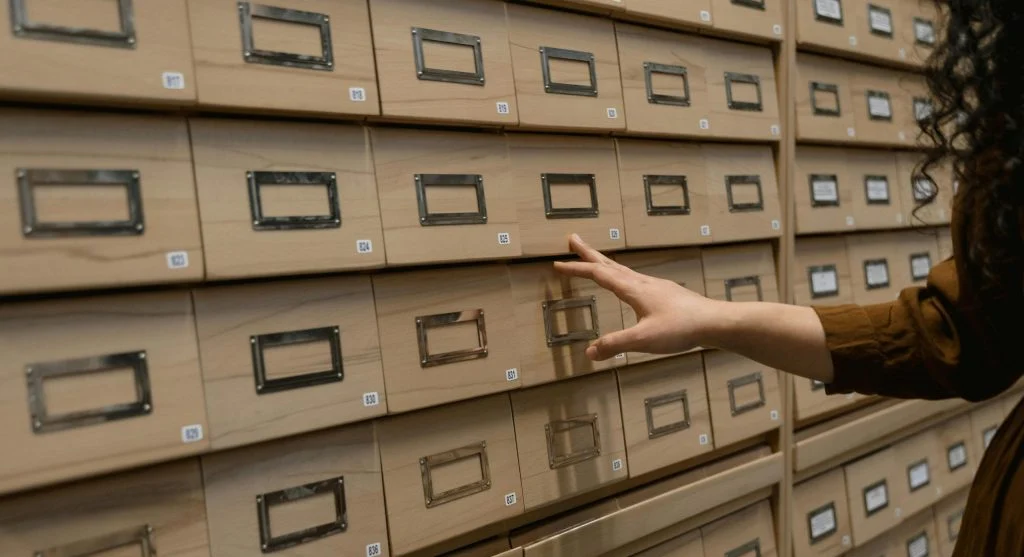
A seed library needs three basic things: a physical storage system, an initial seed collection, and a host location. The storage system does not have to be complicated. It can be a repurposed card catalog, labeled envelopes kept in a box, or a small shelving unit with organized containers.
Seeds should be sorted by type, such as vegetables, herbs, and flowers. Each packet should include the variety name, basic planting instructions, and the date the seeds were collected.
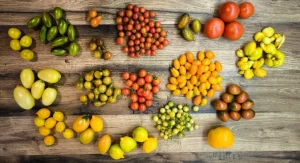
The first seed collection can come from purchased seed packets, donations from local gardeners, and seeds saved from the organizer’s own garden. Open-pollinated and heirloom varieties are usually preferred because their seeds grow true to type when saved. Hybrid seeds, often marked F1, can produce unpredictable plants in the next generation and should be clearly labeled if they are included.
The “Take, Grow, Return” Cycle
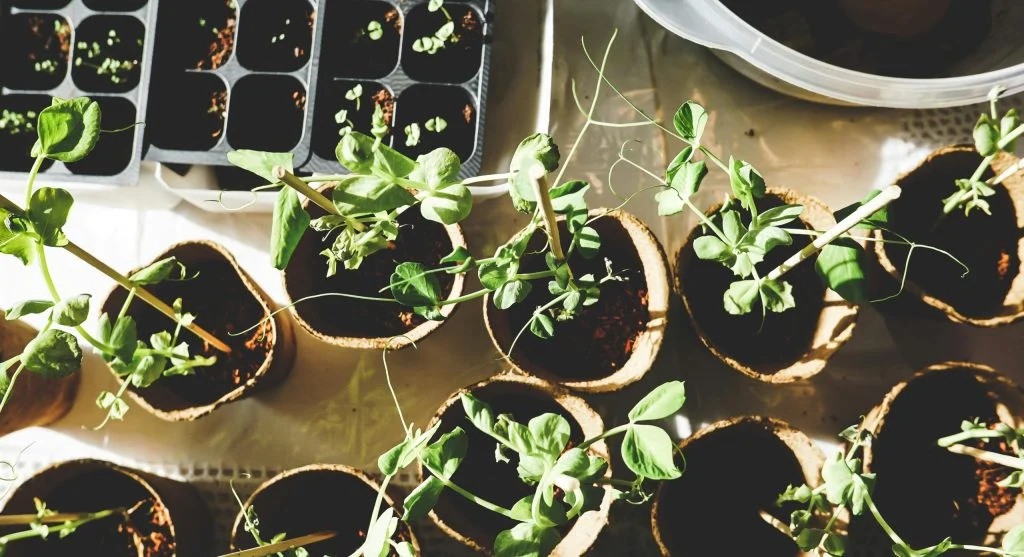
The heart of a seed library is reciprocity. Participants take seeds, grow them, and return saved seeds from their harvest for future gardeners to use.
This cycle depends on a reasonable number of people bringing seeds back. Without returned seeds, the library can run low within one or two seasons. In reality, many successful seed libraries keep a backup supply of purchased or donated seeds alongside the seeds returned by participants, recognizing that not everyone will know how to save seeds or feel ready to do it.
Educational workshops can make a big difference. Basic seed-saving classes offered quarterly or at the start of the growing season help increase return rates and give gardeners the skills needed to make the library more self-sustaining over time.
Best Practices for Sustainability
The most successful seed libraries often focus on crops that are easy to save. Tomatoes, peppers, beans, peas, lettuce, herbs, and many flowers are good choices because they are self-pollinating or do not commonly cross with other varieties in a typical home garden.
These crops usually produce seeds that come true to type without requiring special isolation distances or hand-pollination methods. Cross-pollinating crops such as squash, corn, and brassicas are more complicated because they need extra care to keep varieties pure.
Including a simple one-page seed-saving guide with each packet can greatly improve both the quality and quantity of seeds returned. These guides should explain when to harvest seeds, how to dry them properly, and how to store them so they remain useful for future gardeners.