
Bokashi composting is a Japanese fermentation method that turns nearly every kind of kitchen waste including meat, dairy, and cooked food that traditional composting usually cannot handle into a pre-compost material that can enrich garden soil within two to four weeks after it is buried. Unlike aerobic composting, which needs outdoor space, regular turning, and usually excludes animal-based food scraps, bokashi works through an anaerobic, oxygen-free fermentation process inside a sealed bucket.
That makes it useful for apartments, houses, and other small spaces where a standard compost pile is not practical. When managed correctly, bokashi produces no unpleasant odor because the sealed bucket keeps smells contained during fermentation. It also accepts almost every type of food waste a normal kitchen produces.
How Bokashi Works
Bokashi composting depends on a specific mix of beneficial microorganisms, mainly lactic acid bacteria, yeasts, and phototrophic bacteria. These organisms ferment organic material without oxygen. They are added through “bokashi bran,” which is usually wheat bran or rice bran inoculated with the microorganism blend and then dried for storage.
When bokashi bran is layered with food scraps inside a sealed container, the microorganisms quickly spread through the food waste. They lower the pH by producing lactic acid, preserving the material in a pickled state instead of allowing it to rot. The finished fermented material keeps nearly all of its original nutrients and can be buried directly in garden soil, where soil life finishes breaking it down into plant-available nutrients within two to four weeks.
Setting Up a Bokashi System
A basic bokashi system needs two airtight buckets, bokashi bran, and a spot away from direct sunlight. One bucket is used for collecting food scraps, while the other sits sealed and ferments.
Commercial bokashi buckets, which usually cost between 15 and 40 dollars, often include a built-in spigot for draining the acidic liquid known as “bokashi tea” that collects during fermentation. A DIY version can also be made from any food-grade bucket with an airtight lid. Drilling a hole near the bottom and adding a spigot makes it easier to drain the liquid.
Add food scraps to the active bucket in layers about two to three inches deep. Sprinkle one to two tablespoons of bokashi bran over each layer, then press the material down firmly to remove air pockets. Seal the lid tightly after each addition and drain the liquid every two to three days. Once the first bucket is full, seal it and set it aside to ferment for two weeks while the second bucket becomes the active collection bucket.
What Goes In and What the Output Looks Like
Bokashi can handle almost all kitchen food waste, including fruit and vegetable scraps, meat and fish, bones, dairy products, bread, rice, pasta, eggs and eggshells, coffee grounds, and tea bags. The main things to avoid are large amounts of liquid, such as soups or sauces, heavily moldy food, and anything that is not food. Small amounts of mold are usually fine.
After two weeks of sealed fermentation, the material will look mostly the same as when it went in. It has not decomposed in the usual sense; it has been pickled through acidic fermentation. A healthy bokashi bucket should smell sweet and pickled, similar to fermented vegetables, rather than rotten or foul.
White mold on the surface is normal and usually means the fermentation is working properly. Black or blue-green mold, or a strong putrid smell, means the process has likely failed. This usually happens when the bucket was not sealed tightly enough or when too little bran was used.
Burying the Fermented Material
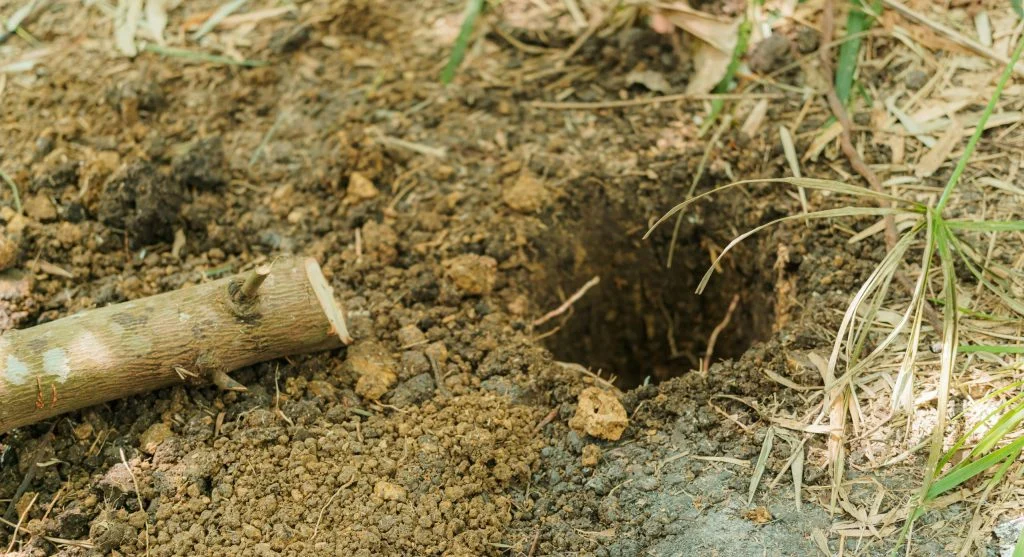
Fermented bokashi material must be buried in soil to finish composting. It should not be spread directly on the soil surface or placed around established plants because its high acidity, usually around pH 3.5 to 4.0, can damage plant roots on contact.
Dig a trench or hole 8 to 12 inches deep in an empty garden bed. Spread the fermented material in a layer, then cover it with at least 6 inches of soil. Earthworms, bacteria, fungi, and other soil organisms quickly move into the material and convert it into nutrients plants can use within two to four weeks.
The bed can usually be planted two weeks after burial. The bokashi liquid drained during fermentation is highly concentrated and should be diluted 100:1 with water before being used as fertilizer. It can also be poured undiluted down drains, where its beneficial bacteria help support drain health.
Key Takeaway
Bokashi composting ferments all types of kitchen waste, including meat, dairy, and cooked food, inside a sealed indoor bucket using inoculated bran. A two-bucket system makes the process continuous, allowing one bucket to collect fresh scraps while the full bucket ferments for two weeks. Once fermented, the material needs to be buried 8–12 inches deep in garden soil, where it breaks down into plant-available nutrients within 2–4 weeks. Bokashi is especially useful for apartment dwellers and gardeners who want to compost all food waste, not just plant scraps, without needing outdoor space, turning, or dealing with odor.