
Brown leaf tips are one of the most common cosmetic problems houseplant owners notice. The pattern is easy to recognize: the rest of the leaf may look healthy and green, but the very tip and sometimes part of the leaf edge turns brown, dry, and crispy. That brown tissue is already dead, so it will not turn green again no matter what treatment is used. However, finding the cause can stop the problem from spreading to new growth, helping the plant stay healthy and attractive even if older leaves still show signs of past stress.
Indoor plant specialists usually point to five main causes of brown leaf tips. Because the symptom looks nearly the same in each case, the best way to diagnose the issue is not by studying the damaged leaf alone. Instead, look closely at the plant’s care routine and growing environment.
1. Low Humidity
Low humidity is one of the most common causes of brown tips, especially indoors. Most tropical houseplants naturally come from environments with 60 to 80 percent relative humidity. In winter, heated homes often sit closer to 20 to 30 percent humidity, which is much lower than many tropical plants need to keep their leaf tips fully hydrated.
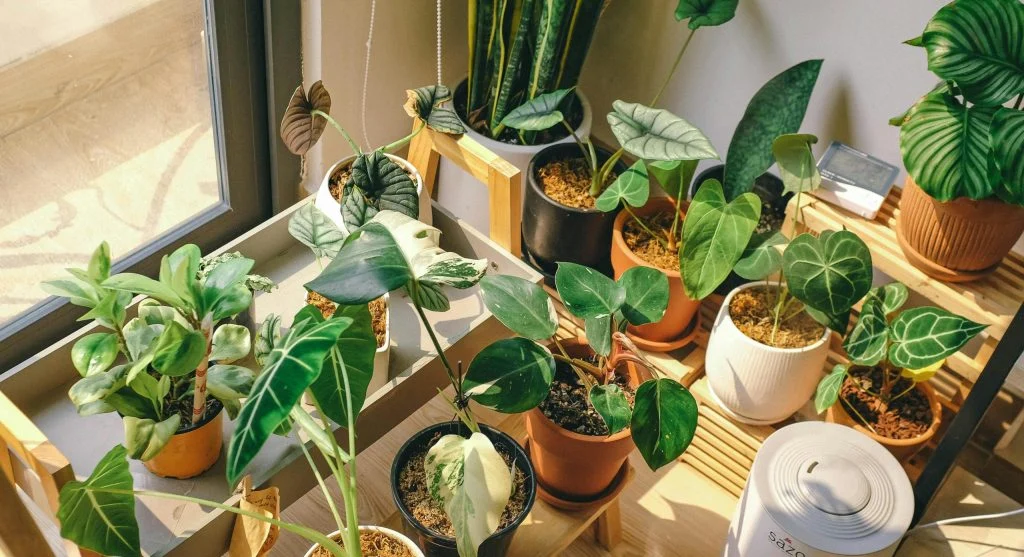
Leaf tips are the farthest points from the plant’s water supply the roots so they are often the first areas to dry out when the plant loses moisture faster than it can replace it. Running a humidifier near your plants, grouping plants together so they create a slightly more humid microclimate, or placing pots on pebble trays with water below the pot base can all help raise local humidity in a meaningful way.
2. Inconsistent Watering
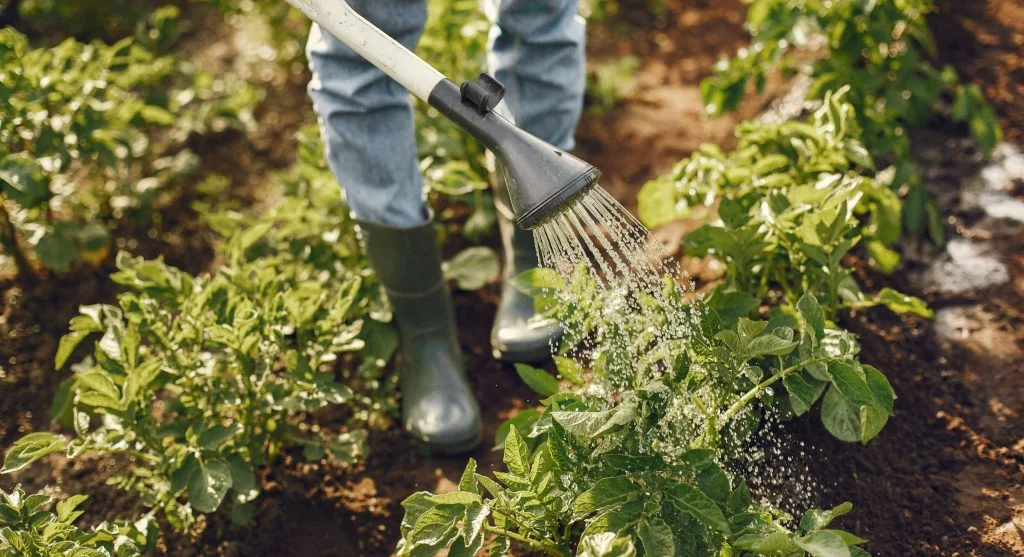
Going back and forth between letting the soil get too dry and then watering heavily can stress the roots and cause leaf tip browning that looks almost identical to humidity-related damage. When soil dries out too much, the fine root hairs can die. Then, when water is suddenly added, the damaged roots cannot absorb it efficiently, so the leaf tips may remain underhydrated even though the soil is wet.
The solution is simple but important: check soil moisture before every watering session. Keeping the potting mix consistently moist not soggy and not bone dry helps prevent the wet-dry extremes that damage roots and lead to tip burn.
3. Fluoride and Chlorine in Tap Water
Some houseplants are especially sensitive to chemicals found in municipal tap water. Dracaenas, spider plants, prayer plants, and calatheas are among the species most likely to develop brown leaf tips from fluoride and chlorine exposure.
Over time, these chemicals can build up in leaf tissue. They concentrate most heavily at the leaf tips, where water evaporates and minerals are left behind. Switching to filtered water, rainwater, or distilled water removes that chemical input. Letting tap water sit in an open container for 24 hours can help chlorine dissipate because it evaporates, but it does not remove fluoride. For fluoride-sensitive plants, filtered or distilled water is usually the more dependable choice.
4. Over-Fertilization
Too much fertilizer can also cause brown leaf tips. Excess fertilizer salts build up in the potting mix over time, pulling moisture out of root cells and creating damage that looks similar to drought stress. A white, crusty layer on the soil surface or around the rim of the pot is a common sign of salt buildup.
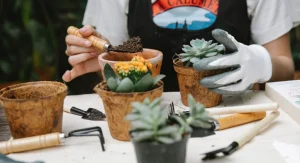
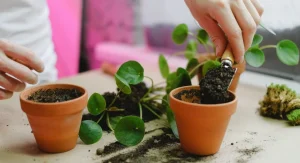
To correct the problem, flush the soil with a large amount of plain water, letting it run through the pot for several minutes to wash out accumulated salts. Going forward, reduce fertilizer to half the recommended strength and fertilize less often during winter, when plant growth naturally slows and nutrient needs are lower. If the plant has severe salt burn, repotting it into fresh potting mix after trimming damaged roots may help it recover.
5. Physical Damage From Cold or Contact
Sometimes brown tips are not caused by watering, humidity, or fertilizer at all. Leaves that touch cold window glass during winter can develop browning exactly where the cold contact occurred. Leaves that repeatedly brush against walls, furniture, or people in busy areas can also develop mechanical damage that appears as dry, brown tissue.
Moving the plant so its leaves do not touch cold glass or high-traffic surfaces will prevent future damage. Existing brown tips can be trimmed with clean scissors, following the natural shape of the leaf, to make the plant look neater without harming its overall health.