
It’s really rewarding and doesn’t cost much to start new plants from bits of stem. One good, healthy original plant can make loads of new plants, all exactly the same as it. They’re clones and will have the same flower colours, how they grow, ability to fight off illness, and the quality of any fruit they produce. Plants grown from seeds can be quite different from the original, and this is especially true for hybrids, but plants grown from stem cuttings will definitely be just like the original in all the ways that made you want to grow it in the first place.
Garden experts point out people have been growing plants from stem cuttings for thousands of years and it’s still how many pretty plants, herbs and shrubs with fruit are grown for sale. You don’t need anything fancy for this to work, just a sharp knife, a clean pot or tray, and some compost or similar to grow in and you can get 70 to 90 out of every 100 of the plants most of us grow to actually root and grow.
Which Plants Root Easily From Cuttings
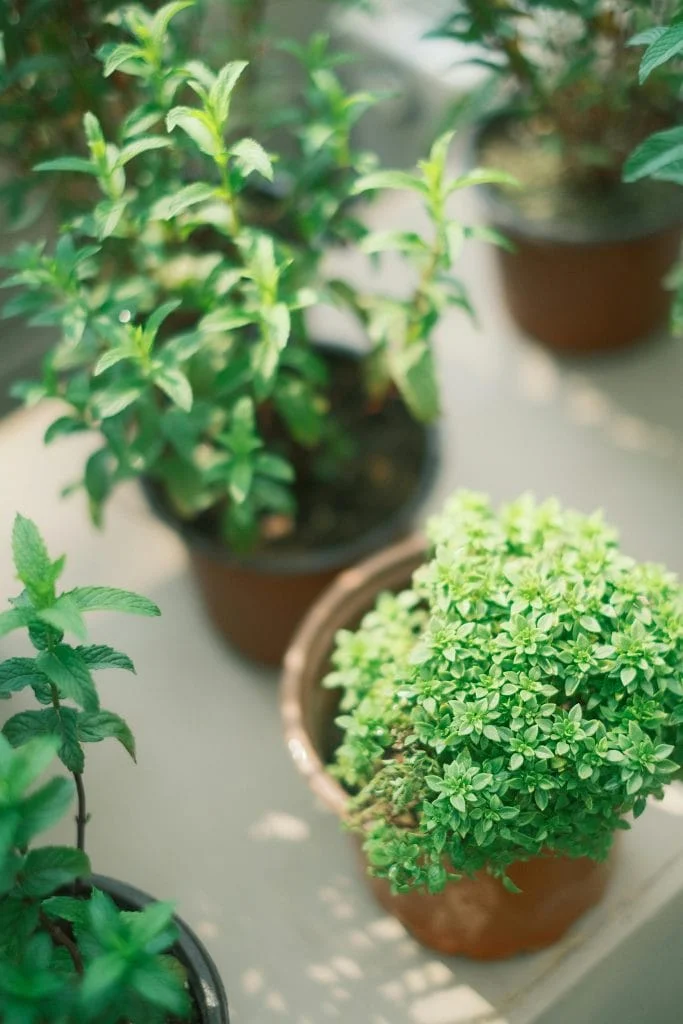
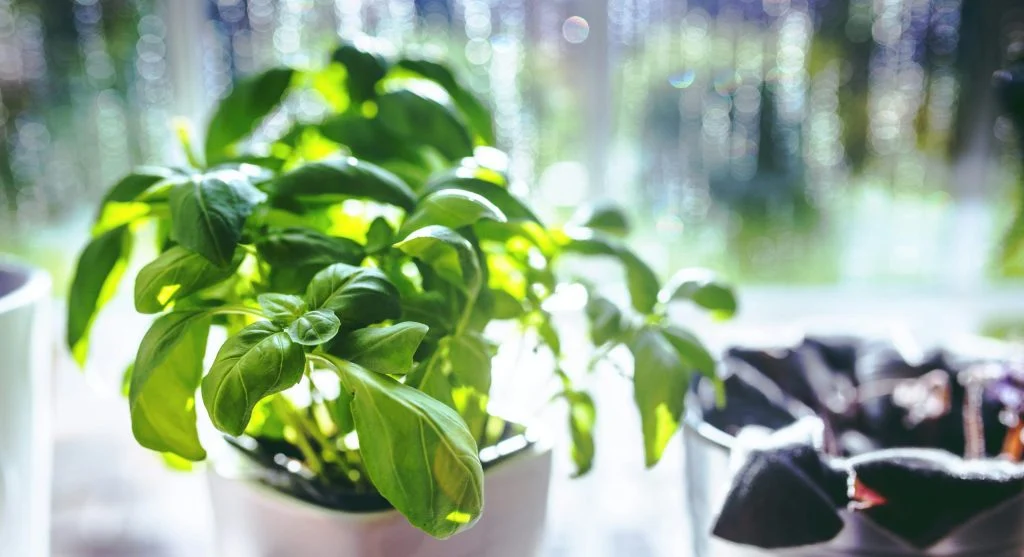
Basil, mint, rosemary, sage, thyme, oregano – lots of herbs will happily grow roots from pieces of stem in water or in damp soil. As for houseplants, pothos, philodendron, tradescantia, begonia and spider plants are all pretty quick at this, often putting down roots within a week or two. And if you’re looking at shrubs for the garden, hydrangea, forsythia, butterfly bush, elderberry and a great many kinds of roses can be started from stem cuttings when you take them at the right point in the year. Plants with woody stems usually need a bit longer than softer, herbaceous plants to root, perhaps six to eight weeks, but if you do it right, you’ll still have a good chance of success.
Taking the Cutting Correctly
How well you cut a piece of the plant to start a new one greatly affects if it will grow roots. Ideally, get your cuttings from a healthy plant with no illnesses during its main growing time (for most plants, that’s from spring into early summer). Each cutting should be between four and six inches long, and taken from a new branch that isn’t overly tough, nor too fragile. Use a sharp, clean knife or blade to make the cut (scissors will squeeze the stem and damage it) just under where a leaf or two comes out of the branch, at that slightly fatter point. That point, the leaf node, is full of root-growing hormones called auxins, so roots are most likely to start there.
Remove all the leaves from the bottom inch or two of the cutting. Leaves that sit in water or are covered with soil will rot and allow disease to get in. The top part of the cutting should keep between two and four good leaves to continue making food from sunlight and power the root growth. And if those leaves are big, halving their size cuts down on how much water the plant loses, but lets them still do their job of photosynthesis. This is especially a good trick for plants with big leaves like hydrangeas and figs.
Water Rooting vs. Soil Rooting
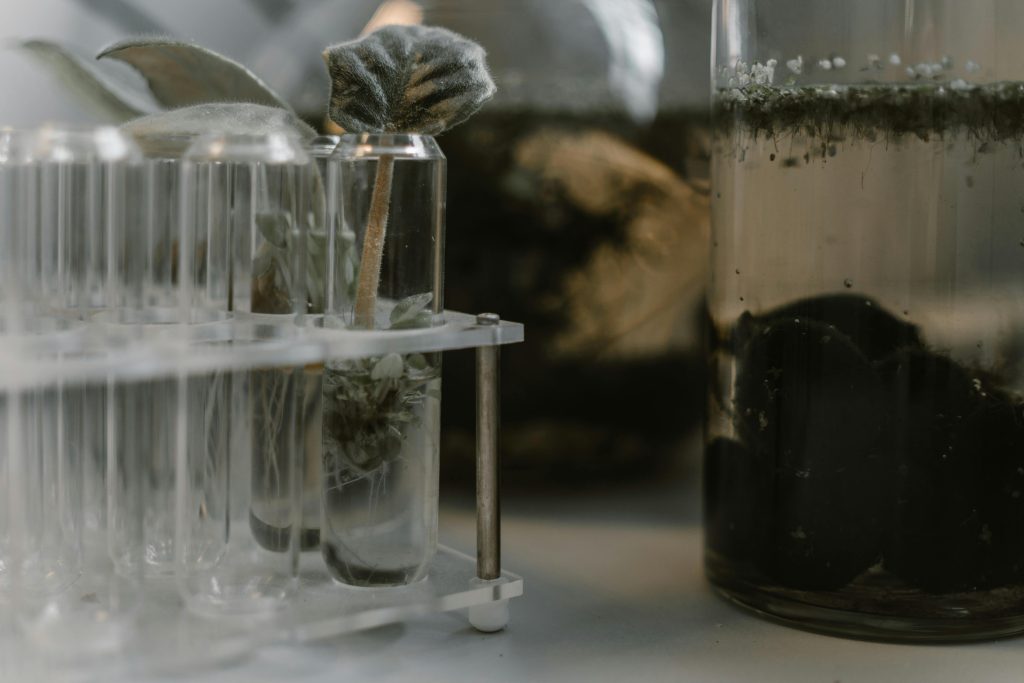
You can successfully grow new plants from cuttings using either water or damp soil, and most of the plants we usually start this way do well with either. With water, you can actually see the roots growing each day, which is interesting and makes you feel confident things are happening. All you need is a clear glass jar with water at room temperature sitting in bright light that isn’t direct sunlight, and you should change the water every three or four days to stop bacteria from building up. Once the roots are an inch or two long, you can put the cutting into a pot of soil.
Growing in soil generally gives you a root system that’s stronger and has a lot more little fibres, and these are more likely to survive when you plant them out in the garden. Push the cuttings one to two inches into moist perlite, vermiculite, or a mix of fifty percent peat and fifty percent perlite – all these are light and hold water but also allow it to drain and get air in. If you dip the end of the cutting in powdered rooting hormone before you put it into the soil, roots will form quicker and you’ll be more sure to get them. Lots of plants that are easy to root will grow roots without it though. To keep the humidity around the cuttings and stop them from drying out as they’re growing roots, cover the pot with a clear plastic bag or lid.
After Rooting: Transitioning to Normal Growth
New plants grown from cuttings are quite fragile and need to slowly get used to regular growing conditions. Roots that have formed in water are structured differently from roots that grow in soil, so they require a bit of time to adjust to being in potting mix. For the first couple of weeks after you put them in the mix, consistently keeping the soil damp (but not soggy) will help them through this. If you’ve rooted cuttings in perlite or vermiculite, put them in typical potting soil when the roots are developed enough to keep the perlite or vermiculite together with a gentle pull. For two to three weeks after transplanting any of these new plants, they should be in a place with lots of light, but the sun shouldn’t shine directly on them, and then you can gradually move them to where they’ll get their usual amount of light as their roots settle in.
Key Takeaway
You get plants that are exactly like the original, and it’s free to do this with stem cuttings. To start, get a section of healthy stem four to six inches long, and make your cut just below where a leaf is attached. Remove the leaves from the bottom of the cutting. Then, you can get it to develop roots by putting it in water or damp perlite. How long this takes to happen varies by plant type, but it’s generally between one and eight weeks. Many herbs, indoor plants, and lots of bushes for the garden are perfect for starting this way. You can root in water, which lets you see the roots growing, or in soil, which typically makes roots that are stronger when you move the plant to a pot or the garden.