
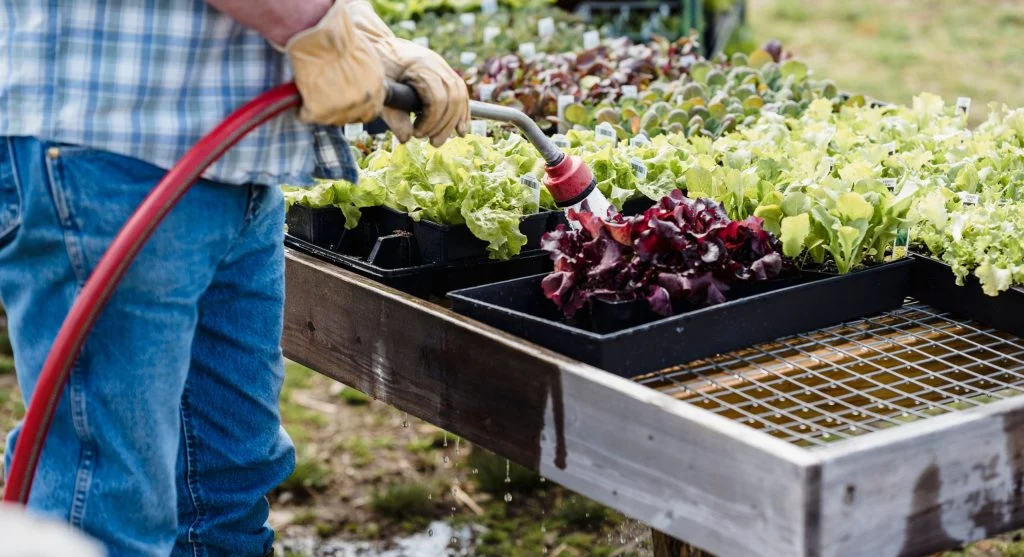
Most home gardeners think of the growing season as one long block a spring-through-fall window shaped by the last and first frost dates and accept that the garden goes dormant from November through March. But gardeners who plan carefully for four-season production can harvest fresh food from March through December in most temperate climates, especially zones 5 through 8. In milder zones, the harvest can stretch from January through December, expanding the productive garden year from the usual six months to ten months or more. The key is not expensive infrastructure. It is strategic crop selection, succession planting, and simple cold protection that extends the harvest window on both ends of the traditional season.
Spring (March-May): Cool Crops and Overwintered Harvests
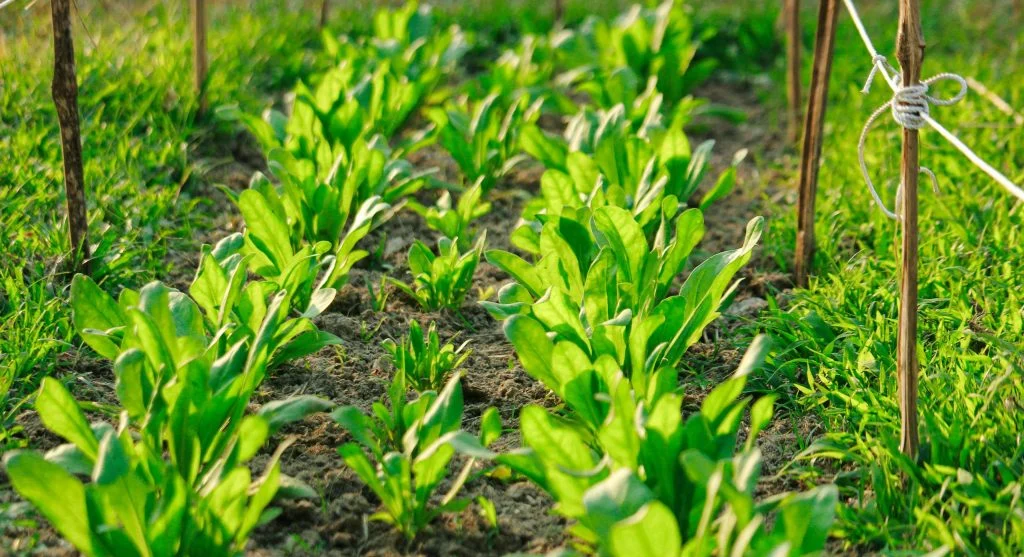
The four-season garden begins producing in early March, not from spring-planted crops that have not been sown yet, but from cold-hardy crops planted the previous fall and protected through winter with row covers or cold frames. Spinach, mache, claytonia, and kale planted in September resume active growth as day length increases in late February. These crops can provide fresh harvests weeks before the first spring seeds are ready to be sown.
In April and May, those overwintered crops are joined by spring-sown peas, radishes, lettuce, arugula, and carrots. Together, they create a steady harvest from March through the end of May using cool-season crops.
Summer (June-August): Peak Production
Summer is the traditional peak of garden productivity. Tomatoes, peppers, cucumbers, beans, squash, corn, and herbs fill the beds and provide much of the year’s fresh eating and preservation supply.
The four-season gardener uses this period for more than harvesting. Summer is also the time to plan and plant the fall garden. Broccoli, cabbage, and cauliflower transplants are started indoors in July. Fall-crop seeds, including lettuce, spinach, kale, radishes, turnips, beets, carrots, and cilantro, are direct-sown into open spaces in August as spent spring crops are cleared.
Fall (September-November): The Second Harvest Season
Fall is one of the most underused harvest periods in home gardening. Crops planted in August reach maturity in September and October, creating a second wave of cool-season harvests. This fall harvest is often higher quality than the spring crop because cooling temperatures improve flavor, frost converts starches to sugars in many vegetables, and pest pressure is usually lower.
Row covers and cold frames installed in October can extend the fall harvest through November and into December for cold-hardy crops such as kale, spinach, carrots, and leeks.
Winter (December-February): Maintenance and Protected Harvest
In zones 6 and warmer, cold frames and low tunnels can keep crops harvestable through December and January. Kale, spinach, mache, claytonia, carrots, and leeks can remain usable under protection. Growth essentially stops during the shortest days of winter, from late December through mid-January, but fall-planted crops often hold their quality in a dormant state and can be harvested as needed.
In zones 4 and 5, the harvest window can extend into December with protection, but it usually closes in January when temperatures and light levels drop below what even the hardiest crops can manage. Indoor growing, such as windowsill herbs, microgreens, and sprouts, can help bridge the one-to-two-month gap between the final winter harvest and the return of outdoor production in early spring.
The Planning Calendar That Makes It Work
Four-season gardening requires planning backward from the desired harvest date instead of forward from the planting date. This is the opposite of the typical gardening approach. A gardener who wants fresh kale in December must count backward from December and understand that the kale needs to be planted in August, started as a transplant in July, and given bed space that may currently be occupied by a spring crop that must be cleared by early August.
This backward planning, combined with a written or digital garden calendar that includes planting, transplanting, and protection-installation dates, is the organizational tool that makes continuous production possible.