
Lots of gardeners think all seeds have to be started inside, with grow lights, and then moved to the garden. However, that’s a good method for things like tomatoes and peppers (which need a long growing period) but lots of vegetables and herbs that like cooler weather do much better when you plant the seeds straight into the garden. They like it cold, they sprout quickly in the open air, and they are often damaged by being started in pots and then moved.
Many of these crops perform much better when directly sown into the garden rather than started indoors. Cool-season crops especially thrive in lower temperatures and develop stronger root systems when they are not transplanted from containers.
Experts in gardening say that seeds of these cooler-loving plants usually grow stronger roots because they aren’t stuck in a little pot or disturbed by being moved. From around 40 to 65 degrees Fahrenheit, the cooler soil in early spring is perfect for these plants to begin growing. If you skip starting these from seed indoors, you will probably have stronger plants and get your harvest sooner.
1. Peas Crops
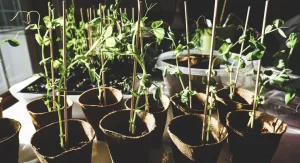
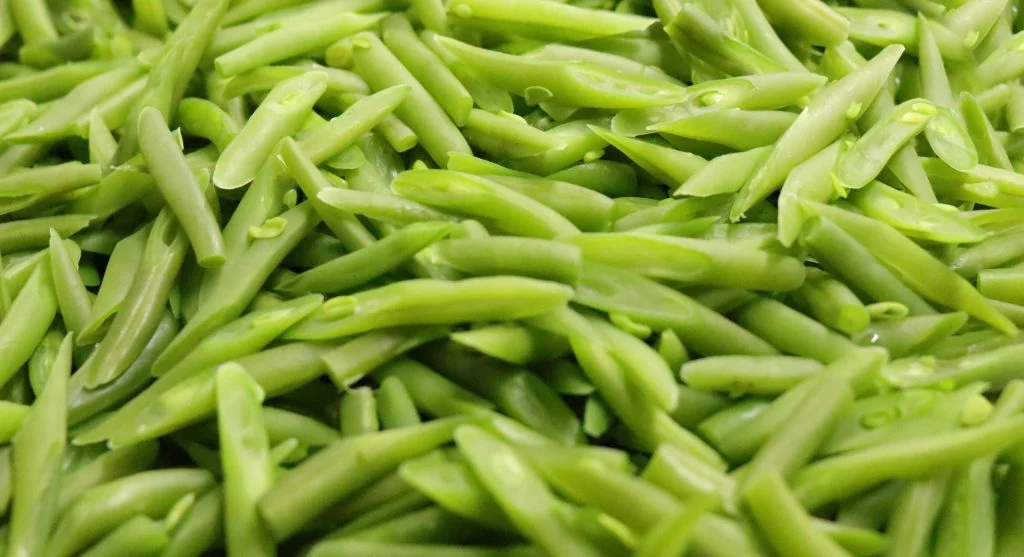
Peas are one of the easiest of these cooler weather plants to plant directly in the ground. Their big seeds will sprout in soil as cold as 40°F and small frosts won’t hurt the new plants. As you need to grow quite a lot of pea plants to get a good harvest, planting them outside from the start leaves your space with lights for plants that really do require it. You can put pea seeds in the ground four to six weeks before you expect the final frost of the year, pushing them about an inch down into the earth near a trellis or something for the vines to climb on.
Credit: Gabriel Reloaded Croch / Pexels
2. Carrots
Because of their long, main roots, carrots are famous for being hard to move to a new place. If you try to start them inside, you’ll nearly always get roots that split, don’t get to a good size, or are oddly shaped.
This happens because the main root runs into the bottom of the seed tray as it grows.
When you plant the seed right in the garden, the main root can go straight down into the soft earth from the start.
Carrot seeds are very small, and you should sprinkle them on top of the soil, then cover with a very thin layer of something powdery like compost or vermiculite.
You will need to be patient, as it can take up to three weeks for them to sprout in cooler ground.
3. Beets
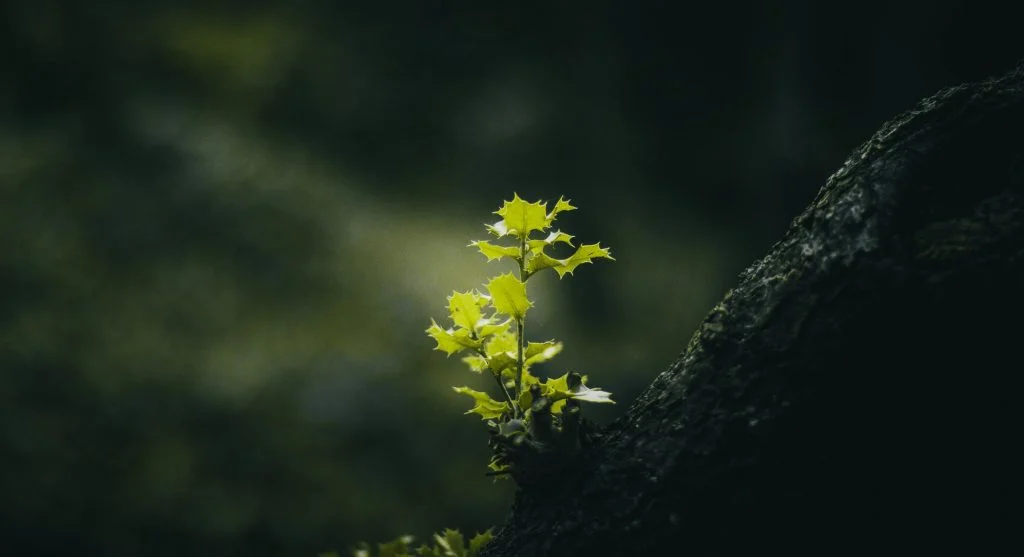
What we call a beet “seed” is really a bunch of seeds stuck together, and from each place you plant it, quite a few little beet plants will come up. This happens in nature and is a good thing for sowing beets directly in the ground. As the seedlings get bigger, you can remove some of the extra ones, and use the lovely, delicate leaves from the ones you pull in salads. Beets will start to grow in soil as cold as 50 degrees Fahrenheit, and they can manage a bit of frost. If you put those clumps of seeds in water for twelve to twenty-four hours before you plant, they will start to sprout much faster.
Credit: Ali Eren Akkaya / Pexels
4. Spinach
Spinach crops does best when it’s cool; in fact, it will quickly send up a stem to make flowers and get a bad taste if the temperature goes over 75 degrees. Beginning spinach inside isn’t a great idea as you’ll lose valuable cold weather for growth, and getting the plants into the garden will hold back the harvest by weeks. Spinach seeds will sprout in soil that is as cold as 35 degrees up to 75 degrees, and they grow very quickly during the cool, brief days of springtime or autumn. For a steady stream of nice young leaves before the summer warmth, plant some more seeds every couple of weeks.
5. Salad Greens and Lettuce
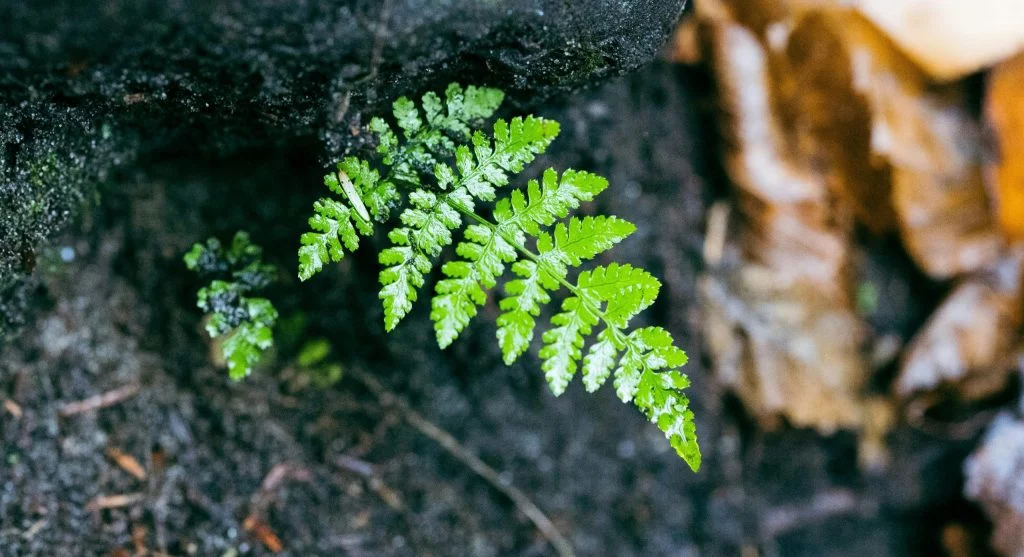
Lettuce crops, arugula crops, mizuna crops, and mustard greens crops are some of the quickest-growing veggies you can plant in cooler weather. Lots of types get from seed to leaves you can eat in only 30 to 45 days if you put the seed directly in the ground. Since you normally pick salad greens when they’re young and soft and use the ‘cut and come again’ method (picking leaves so the plant keeps making more) there’s not much point in starting each seed in a little pot first. Spreading a mix of salad seeds over a garden area or pot and gently covering them with soil gives you a lot of greens with very little work.
Credit: Owen.outdoors / Pexels
6. Cilantro
Cilantro crops grow a long, central root much like a carrot does, and this makes it hard to move once it’s started growing. Also, cilantro rapidly goes to seed in hot weather, so you’ll get the most leaves for the longest time by putting it in the garden as soon as you can in the spring. You can sow the seeds directly in the garden two or three weeks before the final frost is expected, covering them with about a quarter of an inch of soil. For a continuing supply of cilantro, gardeners who know their stuff suggest sowing fresh seeds every three weeks during springtime and a second time in early autumn as the temperature drops.
7. Dill
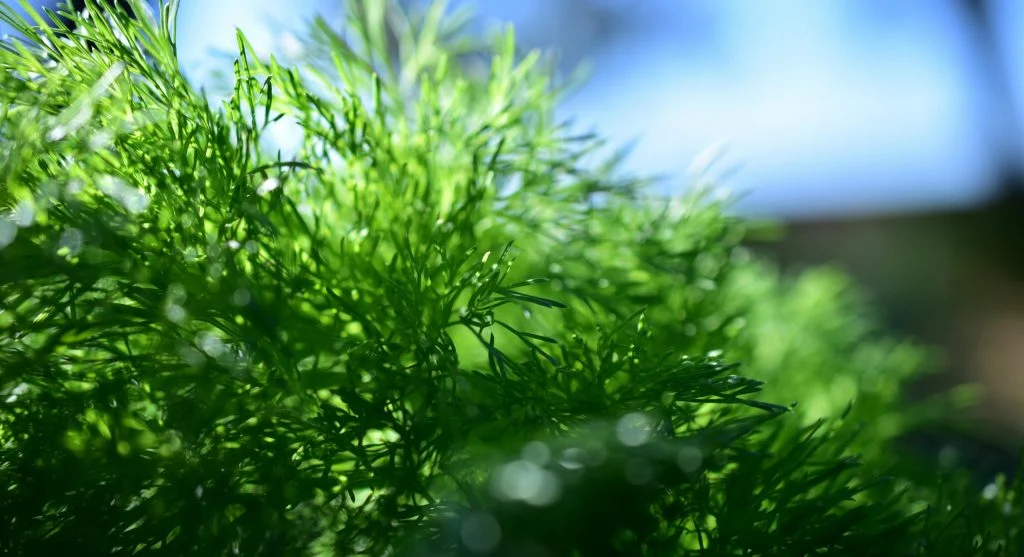
Dill crops are similar to cilantro in that it has a main root that doesn’t like being messed with. This delicate, feathery herb also quickly goes to seed when it gets hot, so if you want the longest stretch of being able to pick the fresh leaves (fronds), you’ll do best to plant it outside early on. Dill seeds will come up in roughly ten to fourteen days in cooler earth and the plants can stand a good deal of cold. What’s more, if you allow some dill to flower and form seed, you’ll get good bugs like parasitic wasps and ladybugs to come hang around and naturally deal with the pests in your garden.
Credit: MAG Photography / Pexels
Key Takeaway:
Peas, carrots, beets, spinach, all types of salad greens, cilantro and dill really prefer being planted directly into the cool garden ground. You’ll actually save time and room inside, and the plants will be stronger, with better roots, if you don’t bother starting them inside. For these vegetables, aim to get them in the ground four to six weeks before your last frost, when the soil is somewhere between 40 and 65 degrees Fahrenheit.