
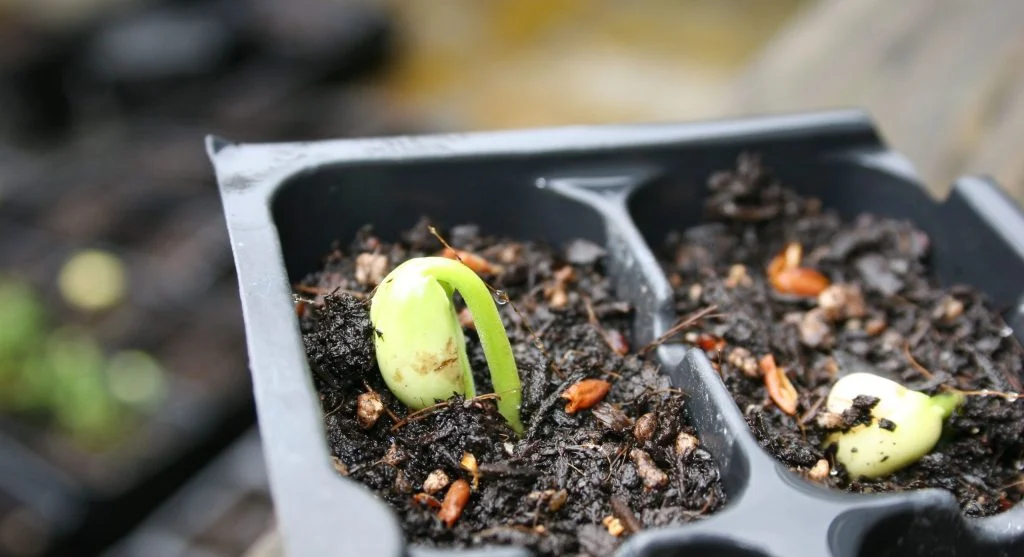
Starting a vegetable garden from scratch no raised bed, no tools, and no experience can feel overwhelming because most gardening advice assumes you already know the basics. Instructions like “prepare your beds” are not helpful if you do not have garden beds yet. Phrases like “harden off your transplants” are confusing if you have never heard of transplants before. This guide is for the true beginner: someone who has never intentionally grown a plant, does not own gardening tools, and needs a simple, step-by-step path from bare yard to first harvest without getting buried under too much online information.
Step 1: Choose the Simplest Growing Method (Weeks 1-2)
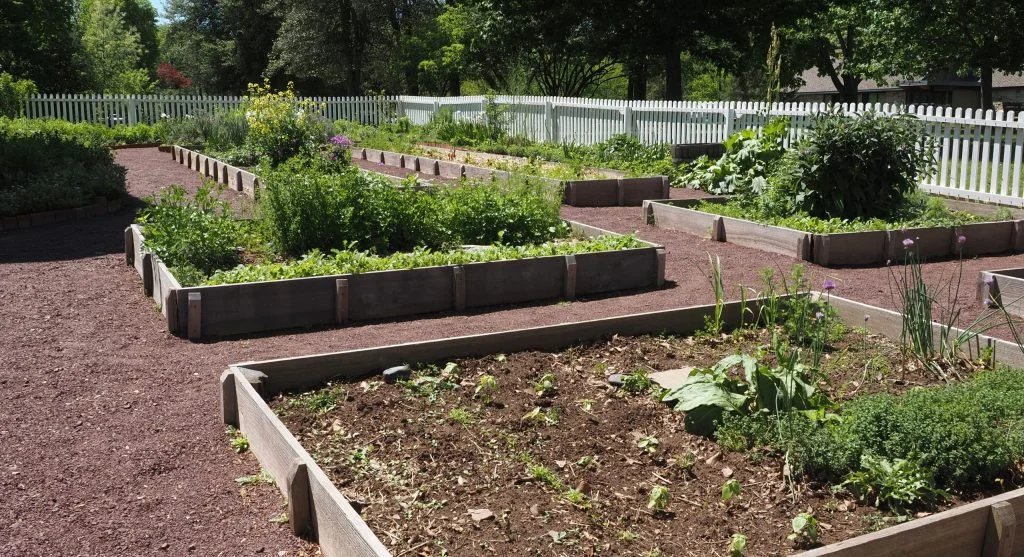
For a first garden, one raised bed is the easiest and most dependable way to begin. A 4-by-4-foot or 4-by-8-foot raised bed, either built from untreated lumber or purchased as a kit, removes many of the problems that come with native soil, such as compaction, clay, rocks, or unknown pH. Instead, it gives you a contained growing area filled with soil that is ready for planting. Place the bed in the sunniest part of the yard, where it receives at least six hours of direct sunlight each day. Fill it with a 50/50 mix of topsoil and compost, either bought in bulk from a landscape supply company or in bags from a garden center. Total cost: 50 to 150 dollars for a 4-by-8-foot bed, including materials and soil.
Step 2: Buy Five Easy Crops as Transplants (Week 3)
For a first garden, buying transplants young plants that are already started and ready to go into the ground is much easier and faster than growing from seed. Five beginner-friendly crops that usually produce well are two cherry tomato plants, two pepper plants of any variety, one zucchini plant, a six-pack of lettuce seedlings, and one basil plant. These crops give you a useful mix of cooking ingredients, salad greens, and herbs while keeping the garden simple to manage. Total cost: 15 to 25 dollars for transplants.
Step 3: Plant, Water, Mulch (Week 4)
Plant each transplant according to the spacing listed on its plant tag. Water every plant thoroughly after planting, then cover the open soil between plants with two to three inches of straw mulch to help prevent weeds and hold moisture. Add a simple tomato cage around each tomato plant at the time of planting. Set up an easy watering routine: every other day, check soil moisture by pushing a finger about two inches deep into the soil. Water deeply whenever it feels dry at that depth. Total time investment: one to two hours for planting, then 15 to 30 minutes every other day for watering and checking on the plants.
Step 4: Harvest and Learn (Weeks 5-16)
Lettuce can be harvested once the leaves reach four to five inches long, usually three to four weeks after transplanting. Basil can be pinched for cooking within two to three weeks. Zucchini often begins producing in six to seven weeks. Cherry tomatoes usually ripen in eight to ten weeks. Peppers take the longest, with the first ripe fruit typically appearing after 10 to 12 weeks. Harvesting often every two to three days during peak production helps the plants keep producing and gives you the real reward that makes the work feel worthwhile. Keeping a simple garden journal, even just a few notes on your phone, helps too. Record what you planted, when it started producing, and any problems you noticed. Those notes become a useful reference that makes the second year much easier than the first.
The Essential Beginner Tool Kit
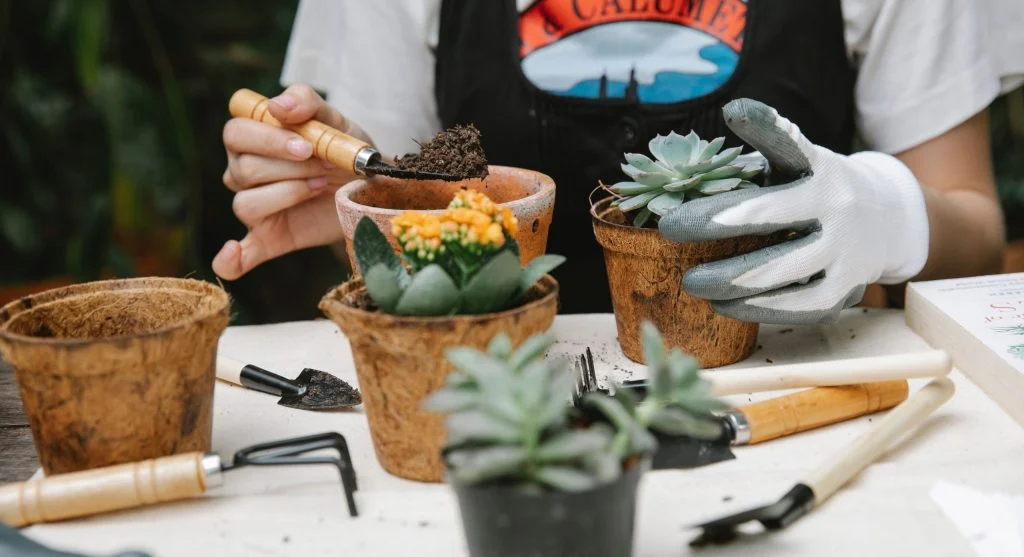
A first-time gardener only needs five basic tools: a hand trowel for planting, a watering wand or gentle-spray hose nozzle for watering without disturbing the soil, a pair of bypass pruning shears for harvesting, a garden fork for loosening soil and mixing amendments, and a five-gallon bucket for carrying tools, weeds, and harvests. Total cost: 30 to 50 dollars for basic-quality versions of all five. Better tools can always be bought later once the gardener knows they want to keep going with the hobby.