
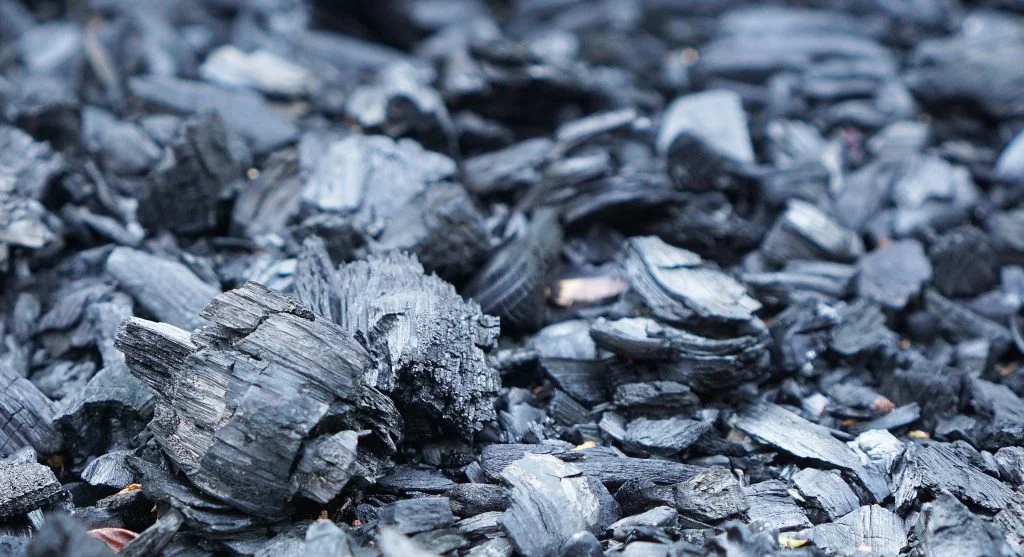
Biochar a form of charcoal made by heating organic material at high temperatures in a low-oxygen environment has become a widely discussed soil amendment in gardening and agriculture because of its unusually long-lasting effects. Unlike compost, which breaks down within one to three years and needs regular replacement, biochar is chemically stable and can remain in soil for hundreds or even thousands of years. Archaeological evidence from the Amazon basin shows that indigenous communities created highly fertile “terra preta” soils with charcoal-based amendments more than 2,000 years ago, proving that biochar’s soil-improving benefits can last for millennia. Today, modern soil scientists have confirmed many of these benefits through controlled research and continue to study biochar for its value as both a soil amendment and a carbon sequestration tool.
How Biochar Improves Soil
Biochar works because of its physical structure. The high-temperature burning process creates an extremely porous material with a huge internal surface area. A single gram of biochar can have a surface area of 200 to 400 square meters about the size of a tennis court packed into a piece of material smaller than a fingertip. That massive surface area creates space for beneficial soil microorganisms, as bacteria and fungi can colonize the pores. It also helps soil hold water because those pores absorb and retain moisture. In addition, biochar improves cation exchange capacity, which is the soil’s ability to hold and release positively charged nutrient ions such as potassium, calcium, and magnesium. In sandy soils, biochar greatly improves water and nutrient retention. In clay soils, it helps drainage and aeration by creating physical pore spaces within the compact clay structure.
Why Biochar Must Be “Charged” Before Use
Raw, uncharged biochar can actually slow plant growth for a short time if it is added directly to garden soil. Because fresh biochar has so much surface area, it absorbs nutrients from the surrounding soil, including nitrogen and other elements plants need right away. These nutrients become held inside the pore structure until microbial activity gradually releases them back into plant-available forms. This temporary nutrient lockup can last for several weeks or even months, sometimes causing visible nutrient deficiency symptoms in plants growing in newly amended soil. The solution is to “charge” biochar before using it. Soaking it in compost tea, liquid fertilizer, or worm casting extract for 24 to 48 hours fills the pore structure with nutrients and microorganisms before it goes into the soil. This prevents the temporary lockup effect and allows biochar to provide benefits immediately after application.
Application Rates and Methods
For home vegetable gardens, soil scientists generally recommend applying biochar at about 5 to 10 percent by volume in the top six to eight inches of soil. In practical terms, that equals roughly a half-inch to one-inch layer spread over the bed and worked into the root zone. Since biochar does not decompose, this is usually a one-time application rather than something that must be repeated every year like compost. Mixing charged biochar with compost at a 1:3 ratio — one part biochar to three parts compost — and applying the blend as a single amendment combines the long-term structural benefits of biochar with the biological and nutritional value of compost. Many soil health researchers view this approach as the gold standard for improving soil over the long term.
Where to Get Biochar
Biochar can be purchased from garden supply companies, online retailers, and some landscape supply yards. Prices vary widely, usually ranging from 15 to 40 dollars per cubic foot depending on the source material and overall quality. Some gardeners make their own biochar by burning clean, untreated wood in a top-lit updraft, or TLUD, gasifier, or by smothering a wood fire before it turns completely to ash. However, home production requires careful technique to reach the temperatures above 500°F needed to create true biochar rather than partially burned wood that breaks down quickly. Commercial biochar is usually more consistent in quality and tends to provide more reliable benefits than homemade versions.
Key Takeaway
Biochar is a long-lasting soil amendment that can remain in the ground for centuries, helping improve water retention, nutrient-holding capacity, and microbial habitat through its huge internal surface area. Unlike compost, biochar does not break down over time and does not need to be reapplied every year. Raw biochar should be “charged” first by soaking it in compost tea or fertilizer for 24–48 hours, which helps prevent temporary nutrient lockup. When mixed with compost and applied at 5–10 percent by volume, biochar offers a one-time soil improvement that can support garden productivity for decades.